
Affiliate Disclosure: This article contains affiliate links. If you make a purchase through these links, we may earn a commission at no additional cost to you.
The quality of plastering work is 80% determined by the tools you use — I (Mena) have been involved in mortar, plaster, and diatomaceous earth application on construction sites for many years, and I still vividly remember struggling to choose the right tools when I first started.
Even a single trowel (kote) comes in many varieties depending on its purpose: finishing trowel, wood float, square trowel, edge trowel, and corner trowel. You also need auxiliary tools such as a hawk (mortar board), mixer, rubber trowel, sponge, and trough to get the job done. In this article, I’ll introduce 11 hand-picked tools that professional plasterers actually use on the job, organized by category.
Whether you’re putting together your first set of plastering tools or a professional reconsidering your equipment, this single article covers nearly everything you need. Product selections are based on price, quality, and availability — only items I’ve personally used or that trusted fellow tradespeople use.
Plastering Basics: What to Know Before Choosing Tools
[Role of Tools at Each Stage] Plastering work is broadly divided into the stages of “surface preparation → rough coat → brown coat → finish coat.” In surface preparation, a wood float or block trowel is used to level the base and hold lath mesh in place. The rough coat applies mortar or sand plaster thickly, requiring a firm, thick trowel. The brown coat evens out the surface, with the brown-coat trowel taking center stage. The finish coat uses an ultra-thin stainless steel finishing trowel of about 0.3 mm to achieve a smooth, polished surface.
[Characteristics by Material] Trowel blades come in four main materials. Stainless steel is rust-resistant, thin, and flexible — ideal for finishing work. Iron has stiffness and is suited for rough-coat mortar application. Plastic is lightweight and easy to handle, convenient for sand-pattern finishes and diatomaceous earth DIY. Wood absorbs moisture and is used to level concrete floor surfaces.
11 Plastering Trowels and Tools: Hand-Picked from the Jobsite
① Kaneshika (Kinkajiku) Super Mesh Trowel, Wood Handle, 240 mm
 メナ
メナUsing the Super Mesh Trowel on the job, its flexibility stands out above all else. Despite being thin, it has backbone, and plaster finishes come out beautifully.


| Type | Finishing Trowel (All-Purpose) |
| Size | 240 mm |
| Material | Stainless Steel |
| Blade Thickness | Approx. 0.3 mm |
| Grip | Wood Handle |
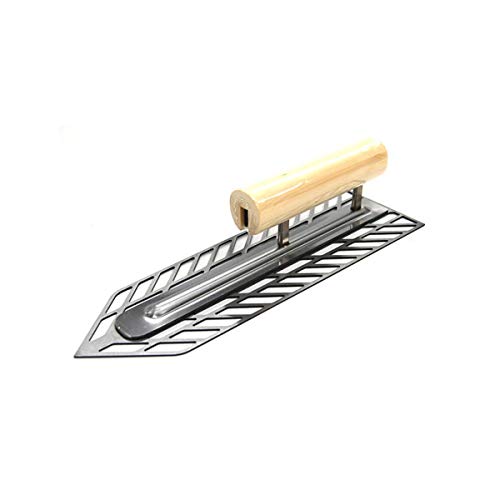
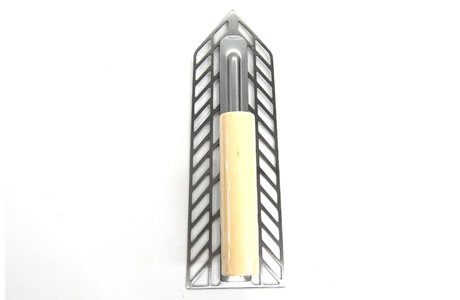
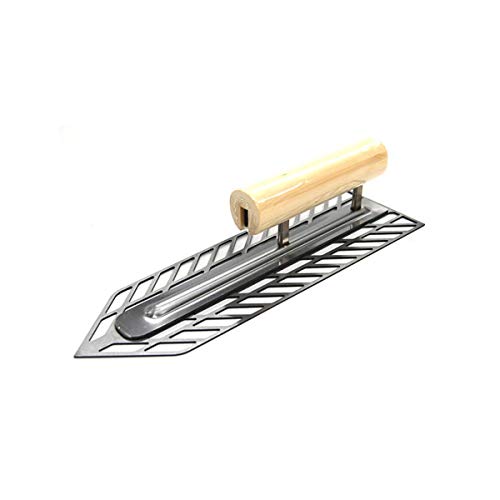
The Kaneshika (Kinkajiku) Super Mesh Trowel is a stainless steel finishing trowel highly regarded by professional plasterers. With a blade thickness of approximately 0.3 mm, it offers excellent flexibility and delivers outstanding pressing performance during the finishing stages of plaster and sand wall application.
The 240 mm size is a versatile all-purpose size easy to use on walls and ceilings. The wood grip fits comfortably in the hand, reducing fatigue even during long application sessions. The mesh-structured blade draws material in evenly, minimizing surface unevenness.
② SHIBASHO Super Mesh Trowel, 240 mm, Stainless Steel, Diamond-Tip
メナThe diamond-tip shape is easy to insert into corners, making clean finishing of outside corners and fine details much easier. I alternate between this and the Kaneshika all-purpose type depending on the application.


| Type | Finishing Trowel (Diamond Tip) |
| Size | 240 mm |
| Material | Stainless Steel |
| Blade Thickness | Approx. 0.3 mm |
| Shape | Diamond Tip |
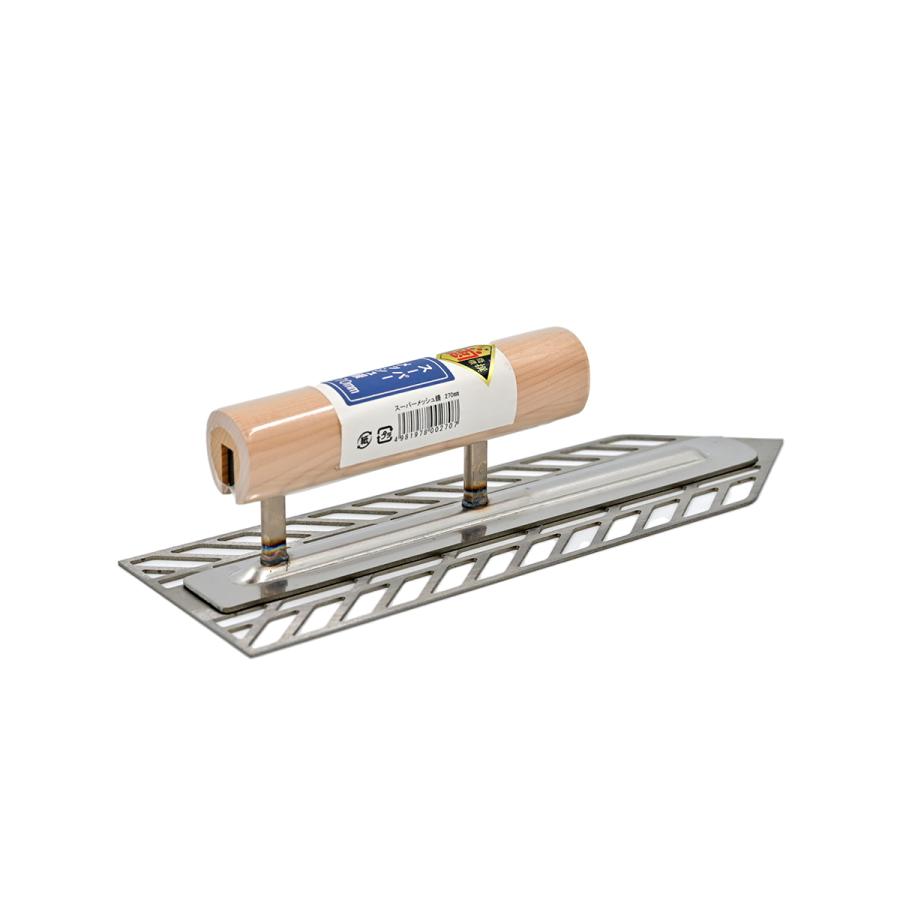
The SHIBASHO Super Mesh Trowel is a diamond-tip (pointed end) stainless steel finishing trowel. Its shape makes it easy to insert into corners and finish fine details, and many professionals pair it with the Kaneshika all-purpose trowel.
Featuring an ultra-thin stainless steel blade of approximately 0.3 mm, it draws material evenly with a moderate flex. Its versatility across plaster, diatomaceous earth, and mortar is a major selling point.
③ Arrow Line Plastic Finishing Trowel, 240 mm
メナA plastic trowel is also perfect for beginners practicing plaster application for the first time in a DIY project. It’s easier to handle than a metal trowel and makes a great first tool for beginners.


| Type | Plastic Trowel |
| Size | 240 mm |
| Material | Plastic |
| Use | Sand-Pattern Finish, Diatomaceous Earth DIY |
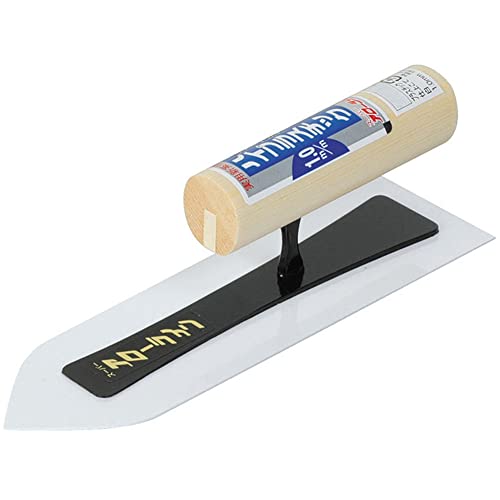
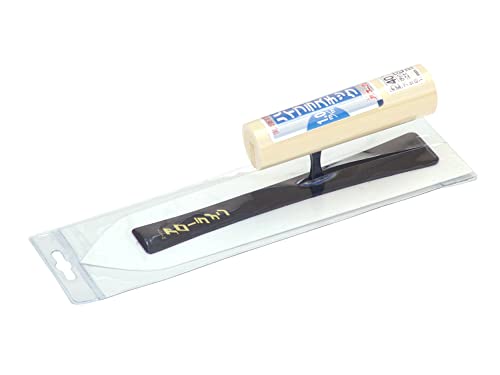
Plastic trowels are lightweight and easy to handle, suitable for textured finishes after sand roller application and for diatomaceous earth DIY work. While they don’t produce the same gloss as a stainless steel trowel, combining them with sand patterns, brush finishes, or sponge textures can create characterful surface effects.
Arrow Line’s plastic trowels are affordable and easy to obtain, making them ideal for practice sessions or situations where disposable use is expected on site.
④ Midori-cho Wood Float, 300 mm, Made in Japan
メナA wood float is essential for concrete floor finishing. Because it absorbs moisture, it evens out pressure uniformly and results in a cleaner finish.

| Type | Wood Float |
| Size | 300 mm |
| Material | Wood |
| Origin | Made in Japan |
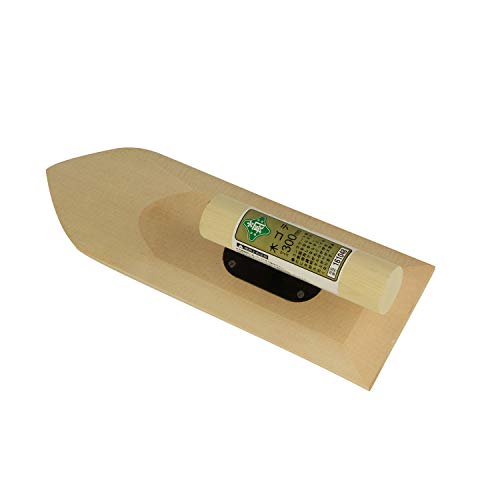
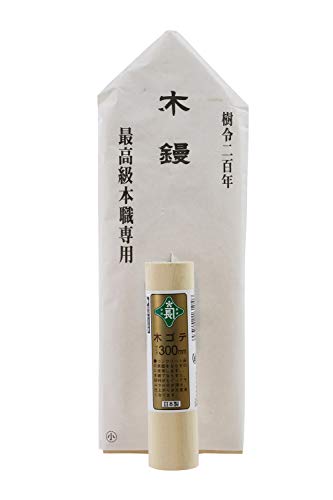
The wood float is an indispensable tool for finishing concrete floors and leveling rough-coated base surfaces. Because the wood absorbs moisture appropriately, it keeps the surface drying evenly while pressing it flat.
The Midori-cho (Fujiwara Sangyo) 300 mm wood float offers trusted Japanese-made quality. The 300 mm size commonly used in floor work is optimal for the surface treatment known as “wood float finish” on concrete.
⑤ Kaneshika (Kinkajiku) Skillman Stainless Square Trowel, 240 mm
メナSince I started using a square trowel, the quality of my corner finishing has improved dramatically. It lets me press areas cleanly that a flat trowel can’t reach.


| Type | Square Trowel |
| Size | 240 mm |
| Material | Stainless Steel |
| Blade Thickness | Approx. 0.3 mm |
| Use | Inside/Outside Corner Finishing |
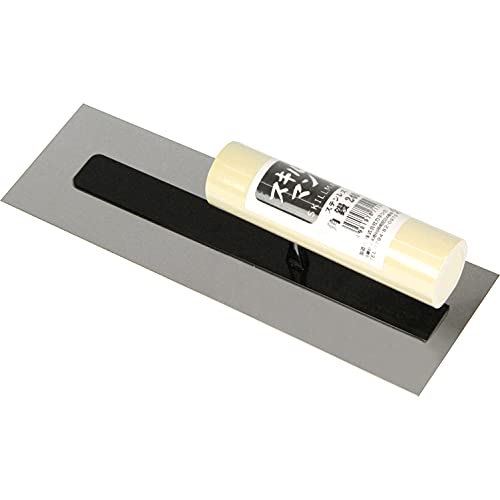
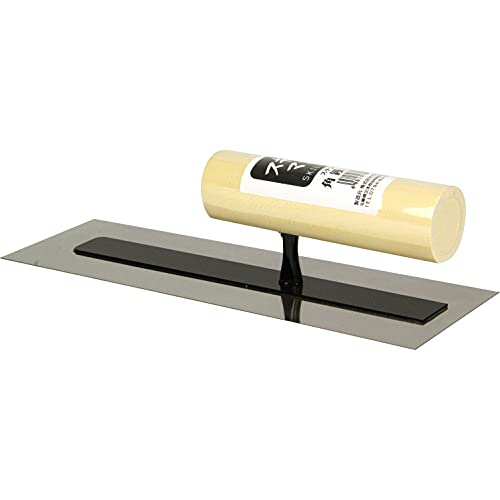
The square trowel is a dedicated tool for finishing the “corners” — both inside (concave) and outside (convex) angles — where walls meet floors or other walls. It’s essential for cleanly pressing corner areas that are difficult to reach with a standard flat trowel.
Kaneshika’s Skillman series features a 0.3 mm stainless steel blade, allowing uniform pressure using the blade’s flex. The 240 mm size is the standard size convenient for corner finishing on walls.
⑥ Midori-cho Outside Corner Trowel
メナHaving an outside corner trowel versus not having one makes a world of difference in corner finishing quality. Pairing it with an inside corner trowel makes the work truly efficient.


| Type | Outside Corner Trowel |
| Material | Stainless Steel |
| Use | Outside Corner (Convex Angle) Finishing |
| Brand | Midori-cho (Fujiwara Sangyo) |
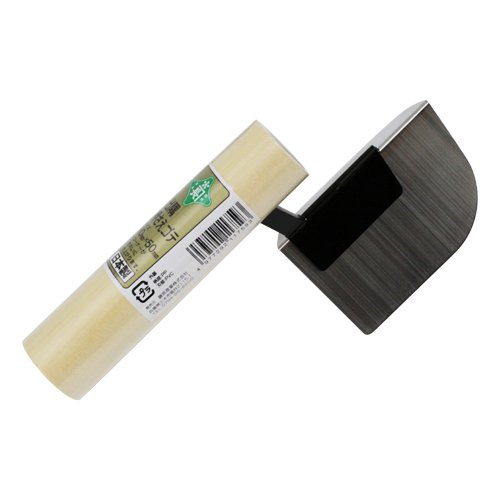
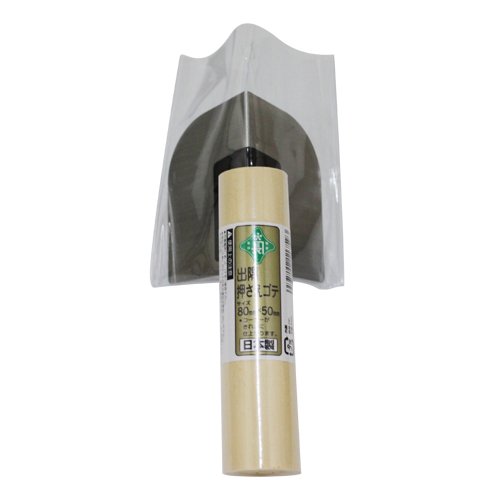
The outside corner trowel is a dedicated tool for beautifully finishing “protruding corners” (outside corners) on walls. Its L-shaped cross-section allows you to press a 90° angle smoothly in a single motion.
Keeping an inside corner trowel (for concave corners) alongside it lets you handle any corner finishing that comes up. It works with plaster, mortar, diatomaceous earth, and more.
⑦ Shinyushoiji Aluminum Mortar Board (Hawk), Plasterer Style, 240×270 mm
メナNo plastering job starts without a hawk. Aluminum is lightweight and rust-proof, so it lasts a long time.

| Type | Hawk (Mortar Board) |
| Size | 240×270 mm |
| Material | Aluminum |
| Shape | Plasterer Style |
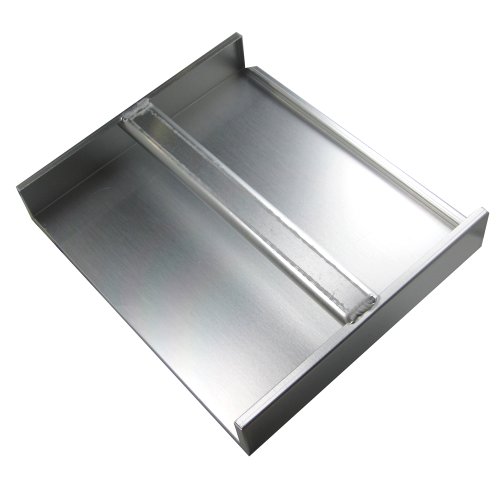
The hawk (mortar board) is a flat board-shaped tool held in the off-hand to carry material. You load it with a suitable amount of mortar or plaster and scoop from it with your trowel as you apply. This is a non-negotiable tool for any plastering work.
An aluminum hawk is lightweight and rust-resistant, with virtually no warping even after extended use. The 240×270 mm plasterer-style size is highly versatile and works well for wall, ceiling, and floor applications alike.
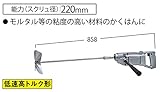
⑧ HiKOKI UM22 Mixer, Screw Diameter 220 mm
メナThe mixer is a critical tool that determines the quality of your mortar. The uniformity is nothing like hand mixing. The HiKOKI UM22 is a standard choice on jobsites.


| Type | Mixer |
| Model | UM22 |
| Screw Diameter | 220 mm |
| Power | AC 100V |
| Brand | HiKOKI (formerly Hitachi Koki) |
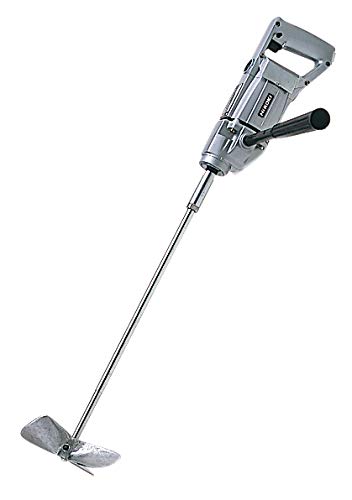
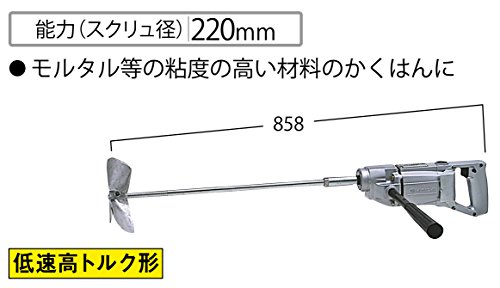
The mixer is a power tool for uniformly blending mortar and plaster materials. Hand mixing has limitations in achieving consistency, and in professional settings handling large volumes of material, it is an essential tool.
HiKOKI’s UM22 with a 220 mm screw diameter and AC 100V power is a standard model on jobsites. It reliably mixes even high-viscosity mortar and handles a wide range of materials from plastering compounds to tile adhesives.
⑨ Yamau Rubber Tile Grout Float, 240 mm
メナA rubber grout float is essential for tile grouting. The soft rubber won’t scratch tile surfaces, and it packs grout firmly into the joints.

| Type | Rubber Grout Float |
| Size | 240 mm |
| Material | Rubber |
| Use | Tile Grouting |
| Brand | Yamau (Osaka Trowel Manufacturing) |
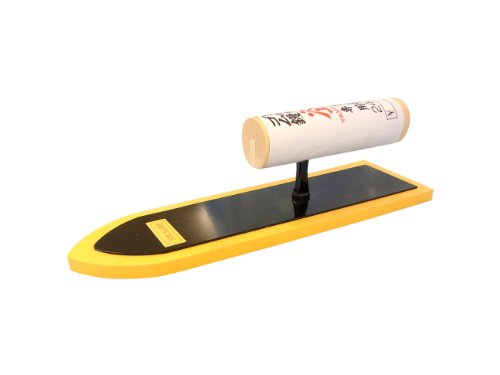
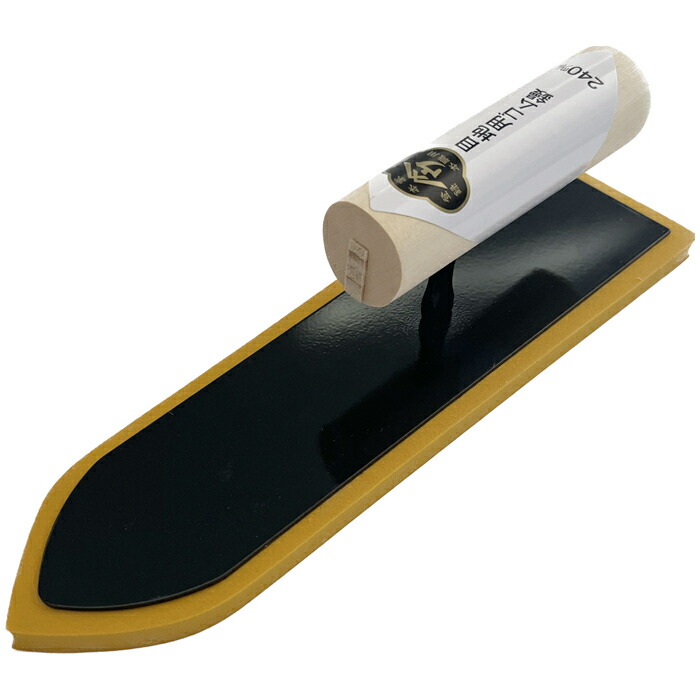
A rubber grout float is a dedicated tool for packing grout into tile or brick joints. The flexible rubber material fills the grout lines thoroughly without scratching the tile surface.
Yamau (Osaka Trowel Manufacturing) is one of the leading brands in rubber grout floats. The wide 240 mm size offers high work efficiency and is suited for grouting large tile areas.
⑩ Topman Plastering Sponge, Yellow, 170×240×50 mm
メナA sponge is used to remove excess material after finishing. It’s also incredibly useful for surface cleanup after tile grouting. Plastering-grade sponges have fine, uniform pores and last longer.

| Type | Plastering Sponge |
| Size | 170×240×50 mm |
| Color | Yellow |
| Use | Surface Smoothing After Finishing, Excess Material Removal |
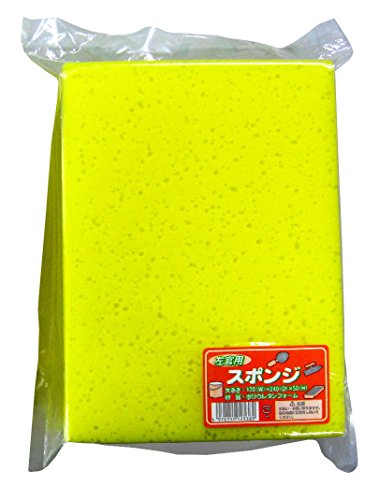
The sponge is used to smooth surfaces and remove excess material after applying plaster or diatomaceous earth. It’s also essential for surface cleanup after tile grouting.
Plastering-grade sponges have finer and more uniform pores than general sponges, offering superior water absorption and durability. The large 170×240 mm size efficiently handles wide surface areas.
⑪ Midori-cho Plastic Mortar Trough, 120 L, Green
メナUsing the large-capacity 120 L trough makes mixing materials much easier. Combined with a mixer, you can produce uniform mortar in a short time.


| Type | Mortar Trough |
| Capacity | 120 L |
| Material | Plastic |
| Color | Green |
| Brand | Midori-cho (Fujiwara Sangyo) |
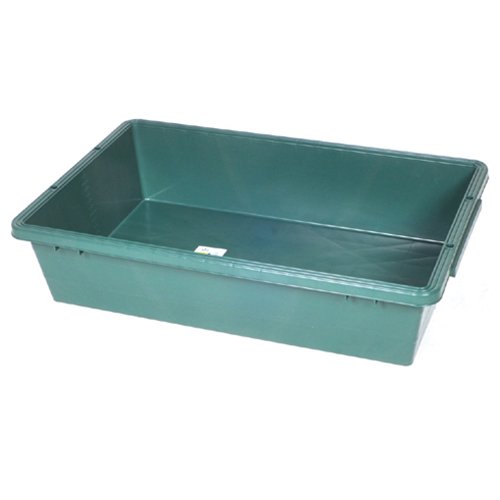

The mortar trough is a plastic container for mixing mortar and plaster. It’s typically used in combination with a mixer, and its shallow rectangular shape makes it easy to spread and blend materials.
The Midori-cho 120 L trough is a large-capacity size commonly used on professional jobsites. Made from durable plastic, it is resistant to corrosion from concrete and gypsum materials and can be used outdoors without concern.
How to Choose Plastering Tools: 4 Tips to Avoid Mistakes
[1. Choose the Right Trowel for Each Stage] Each plastering stage calls for a different trowel: a thin, flexible stainless steel finishing trowel for the finish coat, a thicker iron trowel for the rough coat, and a wood float for floor work. The key to avoiding mistakes is to first clarify the stages you’ll primarily be doing, then prioritize purchasing the trowel best suited for those stages.
[2. Choosing the Right Size (Length)] Trowel size is determined more by “where you’re applying” than “how much you’re applying.” 240 mm is the all-purpose size for walls in general; 300 mm is for floors and large wall surfaces; 180 mm and under is for tight spaces and repair work. When in doubt, start with 240 mm.
[3. Maintenance by Material] For stainless steel and iron trowels, the basic care is washing with water after use and drying thoroughly. Iron trowels in particular rust easily, so applying a thin coat of oil after drying will extend their life. Plastic and wood floats only need drying. For rubber grout floats, completely washing off all grout after use is mandatory.
[4. Start with an 8-Piece Set] If you’re putting together your first plastering toolkit, the basic 8-piece set is: finishing trowel (stainless steel), wood float, plastic trowel, square trowel, outside corner trowel, hawk, trough, and mixer. With these, you can handle almost any plastering job. Add a rubber grout float and sponge when tile grouting work is involved.
Frequently Asked Questions About Plastering Tools
Q. Why is trowel “flex” important?
A trowel with flex distributes pressing force evenly across the entire surface. A rigid trowel concentrates force at specific points, causing the material to ripple or leave streaks. Especially for plaster and diatomaceous earth finishing, a “thin and flexible” trowel directly affects the quality of the result.
Q. For a DIY plaster application, what should I get first?
For DIY, starting with three tools — a plastic trowel (240 mm), a hawk, and a trough — is recommended. These are easier to handle than professional stainless steel trowels, and if you make a mistake the costs are lower. Once you’re comfortable, adding a stainless steel finishing trowel for the finish coat will yield a more beautiful result.
Q. How often do you use a mixer?
On professional jobsites, it’s used every time you mix materials. Even for DIY, when handling 10 kg or more of plaster or diatomaceous earth material, having a power mixer stabilizes quality. Hand mixing tends to leave lumps, and the finished surface after application often shows unevenness.
Related Articles You Might Also Like
Check out these related articles on plastering and construction tools.
- 【2026 Edition】Complete Guide to Mitoloy (MITOLOY) Tools: What I Learned Using Them on the Job
- 【2026 Edition】Complete WERA Tools Lineup: Screwdrivers, Hex Keys & Joker Wrenches Thoroughly Explained
- Makita TD Series Impact Driver Full Model Comparison — The Complete Guide Chosen by Electricians and Manufacturing Pros