
Affiliate Disclosure: This article contains affiliate links. If you make a purchase through these links, we may earn a commission at no additional cost to you.
From my experience as an electrician going fully loaded with tool pouches on the job site every day, a tool belt (hip pad belt / support belt) is the foundation that keeps your pouches and tool holders secured around your waist. No matter how high-quality your tool pouches are, choosing the wrong belt means your lower back hits its limit by the end of the day. If you’re carrying tools for more than 8 hours a day as an electrician or carpenter, you should never skimp on your belt investment.
Tool belts fall into three main categories: “simple narrow belts,” “padded hip belts (with a cushion pad),” and “support belts with suspenders (shoulder straps).” The best choice depends on your work intensity, tool weight, and lower back condition. This article covers how to choose the right belt, along with a thorough breakdown of 10 products with proven track records in the field.
Whether you searched for “tool belt quick-release,” “work belt tool belt,” or “hip pad belt electrician,” this single article gives you the full picture of your options. Please read to the end.
How to Choose a Tool Belt / Hip Pad Belt
① Choose by Belt Width and Material
 Mena
MenaThe first time I used a 90 mm wide hip pad belt, I thought: “Why was I putting up with a narrow belt all this time?” Wider is better.
Belt widths come in four common sizes: 35 mm, 50 mm, 70 mm, and 90 mm. The wider the belt, the better it distributes load and reduces stress on the lower back. For light setups with just 1–2 tool holders, 35–50 mm is sufficient. But if you’re running multiple pouches in full gear, 70 mm or wider is strongly recommended.
The three main materials are nylon, Cordura, and leather. Nylon is light and affordable. Cordura is highly abrasion-resistant and long-lasting. Leather offers a classic look and excellent durability, but its weight has driven a shift toward lighter Cordura products in recent years.
② Choose by Buckle Style: Quick-Release vs. Hole-Pin
MenaThinking about daily on/off, once you’re used to it the hole-pin style is reliable — but on days with lots of moving around, the convenience of quick-release really stands out.
The biggest appeal of quick-release buckles is the ability to put them on and take them off with one hand in a single motion. On job sites where you’re buckling and unbuckling every morning and evening, this directly impacts efficiency. That said, some products loosen after extended use, so choosing a trusted brand is important.
Hole-pin buckles (traditional belt-hole type) take a bit more effort to fasten, but once locked they stay securely in place — no worry of coming loose during overhead work or vigorous movement. Classic standbys like the MARVEL MDP-10 use hole-pin style, yet they’ve earned the trust of job sites for decades.
③ Choose Based on Whether You Want a Hip Pad (Cushion)
MenaBack when I used a belt without padding, lower back pain by evening was just a given. After switching to a padded hip belt, that problem almost completely disappeared.
Padded hip belts have a cushion on the inside that reduces direct pressure on the hip bones. For electricians and carpenters wearing heavy tool pouches all day, a padded belt is strongly recommended. The “ultra 3D cushion” in Tajima’s CRX series uses a contoured pad shaped to the hip bones — it delivers dramatically better comfort than a standard flat pad.
Plain belts without padding are thin and light, making them great for confined spaces or days when you want to move freely with minimal gear. The “two-belt setup” — one fully loaded, one lightweight — is a standard pro approach on job sites.
④ Prevent Back Pain with Suspenders (Shoulder Straps)
MenaSuspender belts are worth trying for anyone who thinks “this is too heavy.” The weight transfers to your shoulders, and your lower back gets a real break.
Support belts with suspenders are the last resort for distributing the concentrated load on your lower back to your shoulders and back. They’re especially popular with people who suffer from back pain or with veteran tradespeople who carry heavy tools all day. Products like the Fujiya SPB-01, which comes with both the belt and suspenders as a set, look cohesive and are easy to set up. If you’re thinking about your back over the long term, consider moving to a suspender setup sooner rather than later.
Top 10 Tool Belts and Support Belts
Here’s a detailed breakdown of 10 handpicked products by brand. Every product here is either used on real job sites or made by a manufacturer with a strong track record.
KNICKS Cordura Ballistic Fabric Ultra-Lightweight Hip Pad Belt BA-90(L)


 Mena
MenaCordura® Ballistic fabric makes it ultra-lightweight yet tough. The difference in lower back strain during long workdays is night and day.
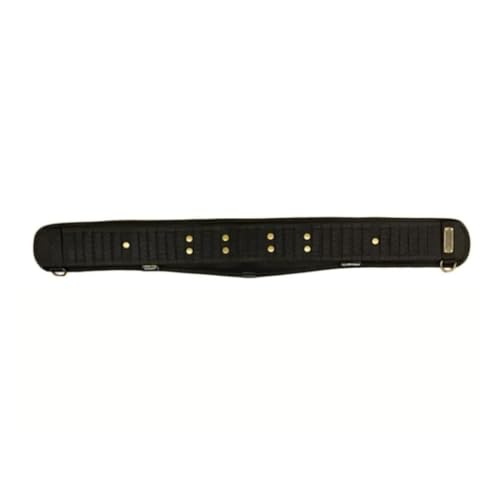
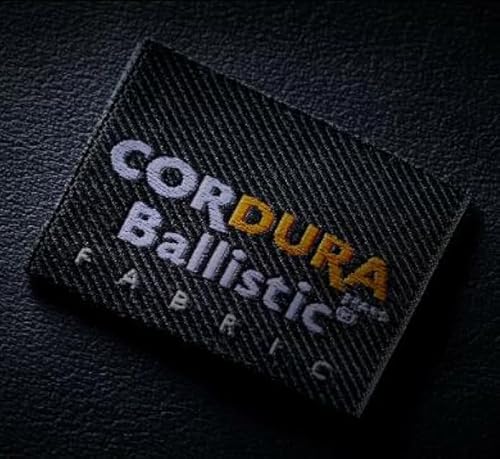
The KNICKS BA-90(L) is an ultra-lightweight hip pad belt made with Cordura® Ballistic fabric. By using this ballistic material — among the most abrasion-resistant nylon fibers available — it achieves durability equal to or better than leather belts while being significantly lighter. It’s the flagship model of a brand trusted by electricians, sheet metal workers, and mechanical contractors alike.
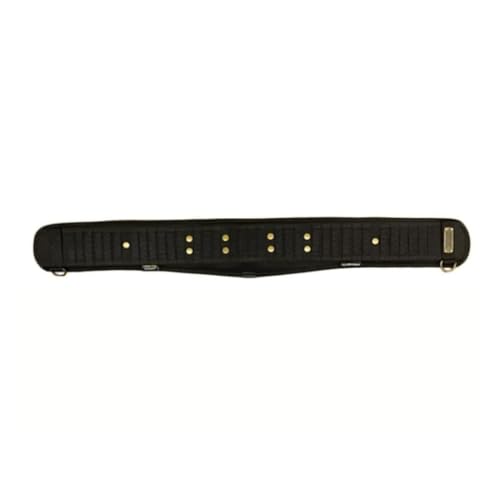
The 90 mm wide belt supports the entire lower back, distributing load even when heavy pouches are attached. The buckle is quick-release for smooth one-touch on/off — no stress during rushed mornings. An air-mesh lining provides ventilation, keeping the belt from feeling stifling even during extended summer wear.
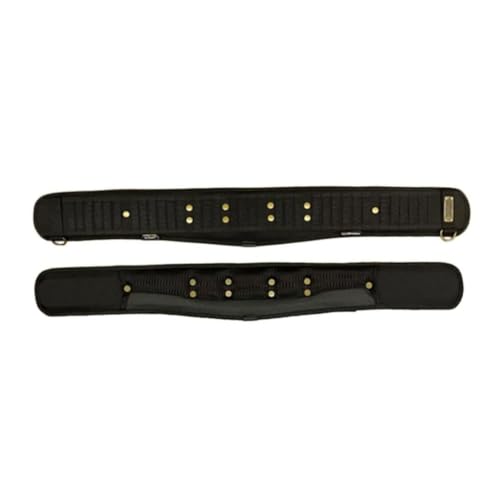
For electricians, the D-rings let you mount tool pouches, holder loops, and electrician knife holders all together. The belt adjusts in length to fit body types from S to LL. Paired with KNICKS Cordura pouches, you get a fully coordinated Cordura tool belt setup from a single brand.
KNICKS Cordura Ballistic Fabric Slim Belt KN-B
MenaA simple slim belt, but made from Cordura. It’s handy to keep one around for light work or secondary tool setups.
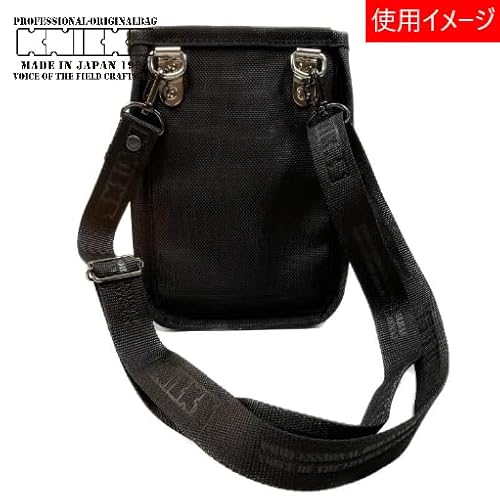
The KNICKS KN-B is a simple slim belt without a hip cushion pad. Lighter and thinner due to the absence of padding, it’s valuable on job sites involving confined spaces or days when you want to move freely in minimal gear. It retains all of the Ballistic fabric’s durability while being ideal for secondary use — attaching just an electrician knife holder or a small pouch.
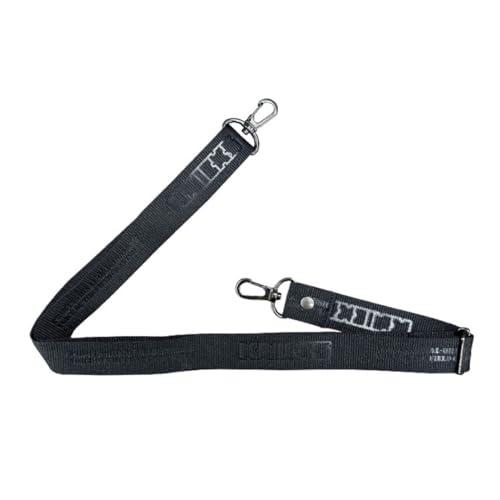
The belt width is a standard middle size — not too narrow, not too wide — and it fits through jeans or cargo pants belt loops. Many electricians prefer using both the KN-B and BA-90, with a classic setup of “BA-90 for full gear days, KN-B for high-mobility days.”
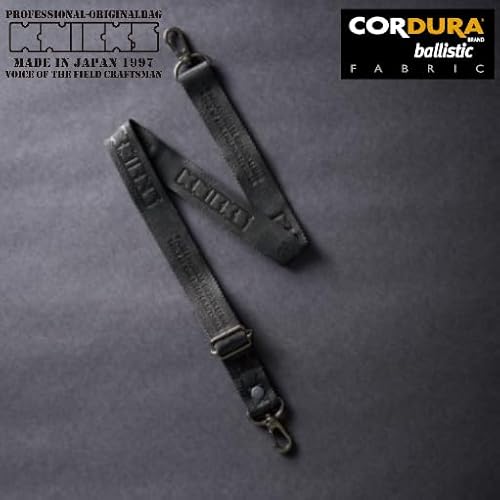
KNICKS carabiner-style tool holders and compact pouches work perfectly with the KN-B on their own. While it doesn’t support SEF quick-release components, any attachment with a D-ring works fine even with a narrow loop.
Tajima Ultra 3D Hip Pad Belt CRX800 M Size


 Mena
MenaThe ultra 3D shape fits perfectly against the hip bones. Even with heavy pouches on, fatigue is completely different. Every electrician should try this belt at least once.
Tajima’s CRX series uses an “ultra 3D double cushion” and anti-slip structure. Unlike standard flat hip pads, the CRX800’s contoured pad conforms to the natural curve of your hip bones, wrapping snugly around your entire lower back. For electricians and carpenters wearing heavy pouches all day, it provides dramatic relief from back fatigue.
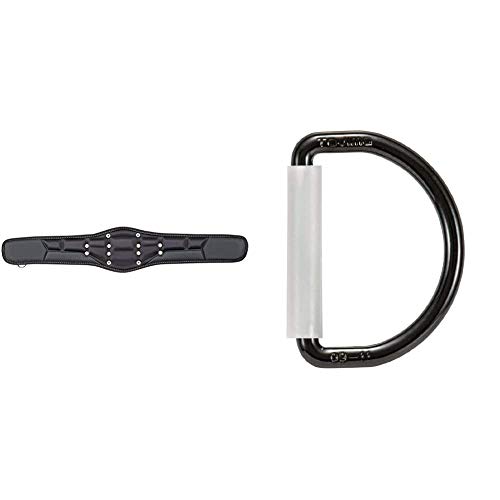
The 800 mm length (M size equivalent) is ideal for waists around 75–90 cm. S size (700 mm) and L size (900 mm) are also available so you can choose to match your body type. Belt width is 50 mm, compatible with Tajima’s D-ring accessories and the SEF system.
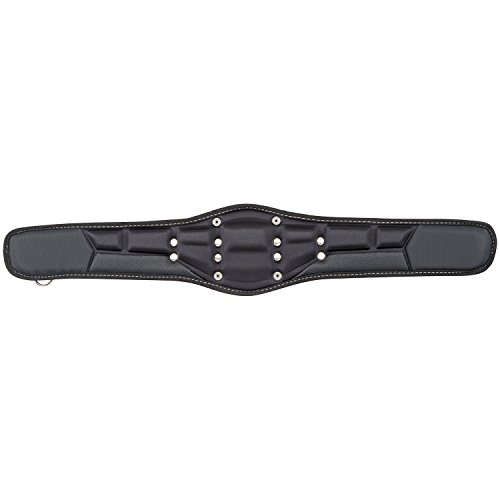
Designed for overhead work and scaffold use, it also accepts suspender attachments. A Tajima standard adopted across electrical, mechanical, carpentry, and plumbing job sites. The non-slip surface on the hip pad is highly praised — once attached, tool pouches shift around much less.
Tajima Hip Pad Belt CR Sizes S–L Safety Harness Compatible
 Mena
MenaThe CR series is the predecessor to the CRX. Compact and easy to use, it’s still very much in active use as a starter belt.
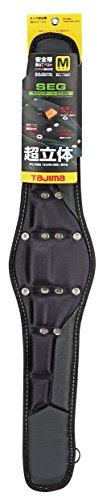
Tajima’s CR series is the previous generation to the CRX (ultra 3D), still widely available as a standard hip pad belt. Compared to the CRX, the pad is somewhat thinner and flatter — but accordingly more affordable, making it a perfect entry-level choice or an additional backup belt at a reasonable price point.
Available in sizes S–L, it covers waists from roughly 70 cm to around 100 cm. It can also be used as the waist belt portion of a safety harness, meeting certain standards for overhead work above 2 m as required by Japanese electrical safety regulations (verify compliance for the specific certified model).
For tool pouches, it supports 50 mm loop width and accepts Tajima’s own pouches and tool holders directly. With a wide range of SEF quick-detach compatible accessories available, tool belt customization is highly flexible.
ToughBuilt Handyman Tool Belt Set TB-CT-111C 3-Piece


 Mena
MenaThe biggest strength is the ClipTech system that lets you swap pouches freely. You can instantly reconfigure your setup to match whatever the job requires.
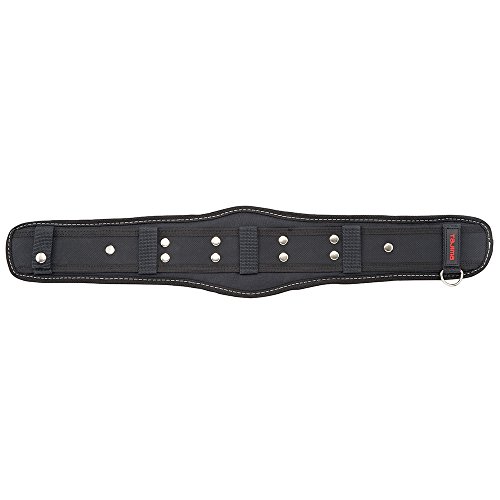
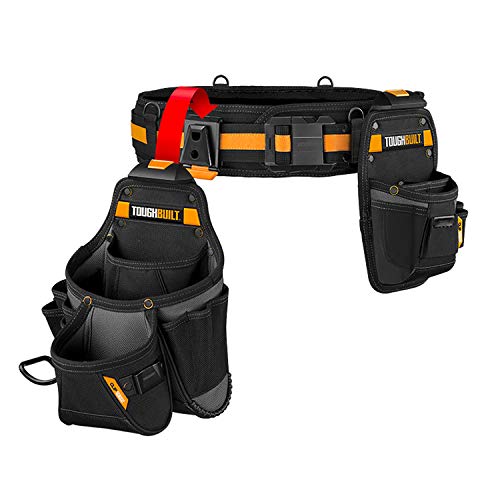
ToughBuilt’s TB-CT-111C is a starter kit that includes the belt itself and 2 types of pouches. The standout feature is the patented “ClipTech hub system,” which lets you attach and detach pouches with a single touch. The ability to instantly swap tool containers as the job changes makes it especially popular with carpenters and interior contractors who handle multiple tasks.
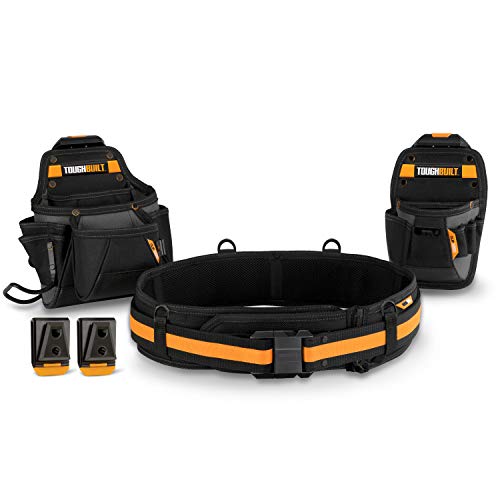
The belt itself is made of heavy-duty nylon with a padded design to cushion the load on your hips. The included pouches offer 10+ pockets total, letting you organize frequently used tools like screwdrivers, tape measures, pliers, and cutters. It solves the classic “where did I put that tool?” problem.
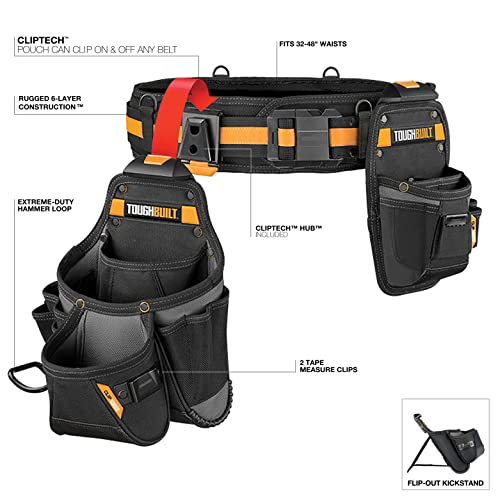
A wide range of pouches are sold separately, including trade-specific options for electricians, plumbers, and carpenters. The ability to add pouches over time and build a fully customized setup is what makes ToughBuilt special. In Japan, KNICKS serves as the authorized distributor, so after-sales service is reliable.
MARVEL Electrician Belt MDP-10 2-Pack
 Mena
MenaA cost-effective 2-piece set. Long field history as an electrician belt, with a simple and easy-to-use design as its biggest appeal.
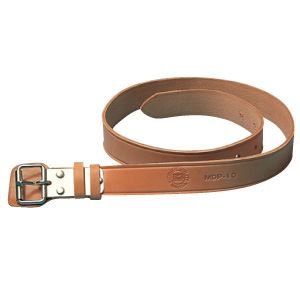
MARVEL is a veteran brand of electrician-specific tools, and the MDP-10 is their standard electrician belt. The 2-pack format means you can keep a spare on hand or split them between two workers on a job. It’s been a fixture on job sites for years with a simple design focused on the essentials — which makes it easy to get used to.
The belt width is a standard 35–40 mm, compatible with general-purpose pouch and tool holder loops. The buckle is a standard hole-pin style with fine-grained size adjustment to match your body type. The reliable lock of the hole-pin design makes it reassuring for overhead work or physically demanding tasks.
Often issued as standard equipment at electrical training and vocational facilities, it’s the trusted “first belt” recommendation. The black colorway hides dirt from a day’s work well — a practical feature on the job site. It pairs well with MARVEL tool pouches, and matching the brand gives a clean, unified look.
Densan Nylon Quick-Release Belt DB-130BL


 Mena
MenaThe quick-release buckle makes putting it on and taking it off incredibly easy. Being able to do both at a good pace at the start and end of the day is a small but meaningful quality-of-life upgrade.
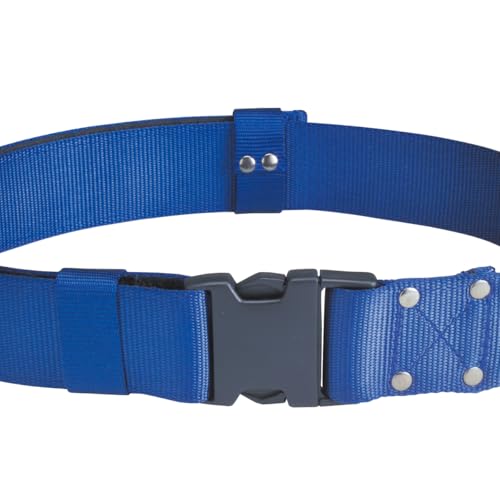
Densan (Jefcom)’s DB-130BL is a practical tool belt made with nylon and a quick-release buckle. The quick-release design makes it extremely smooth to put on the moment you arrive on-site and to take off when work ends. It’s especially well-suited to electricians and telecom workers who mix frequent movement with actual work.
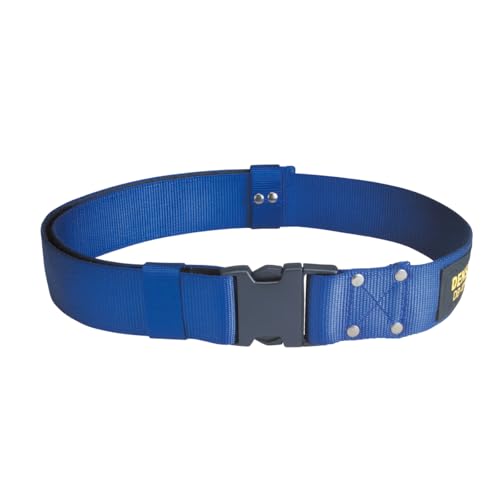
A hook-and-loop waist adjustment allows fine-tuning for waists from roughly 75–106 cm. It’s designed to pair with Densan pouches and tool holders, offering high compatibility within the same brand. The lightweight nylon means the belt itself doesn’t add noticeable weight — no extra fatigue building up over a long day.
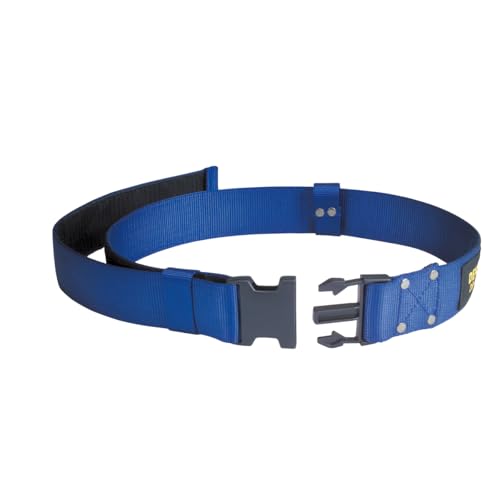
The blue color offers good visibility on-site — when multiple workers temporarily set aside their belts, you can immediately spot your own. The affordable price makes it a recommended first purchase for newly hired electricians or mechanical workers. For anyone building their tool setup around Densan products, this is the natural matching belt.
Fujiya Waistline Series Quick-Release Belt B-01BG


 Mena
MenaHigh trust in quality from a Japanese manufacturer. The quick-release buckle is solid — no sense that it’ll break no matter how often you put it on and take it off.
Fujiya’s Waistline Series B-01BG is a quick-release tool belt designed primarily for electrical work. It uses a side-push quick-release buckle for one-handed on/off. The thick 50 mm nylon material prevents the weight of tools from digging into your hip. It’s used across a wide range of trades, from interior finishing to mechanical-electrical work.
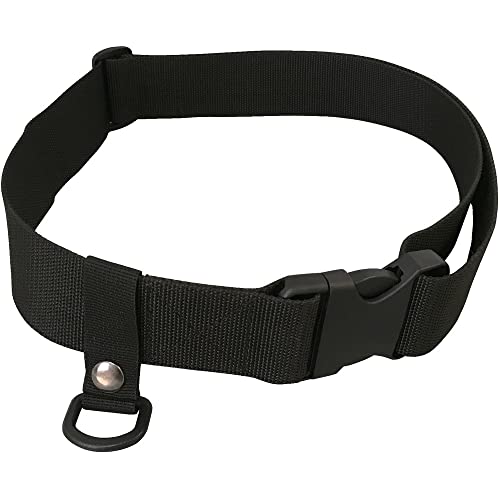
Maximum length of 1200 mm covers waists from roughly 60 to 120 cm. Anti-slip processing on the inside of the belt keeps it from shifting even when heavy pouches are attached. Pairing it with Fujiya’s plier holders and electrician driver holders is especially effective.
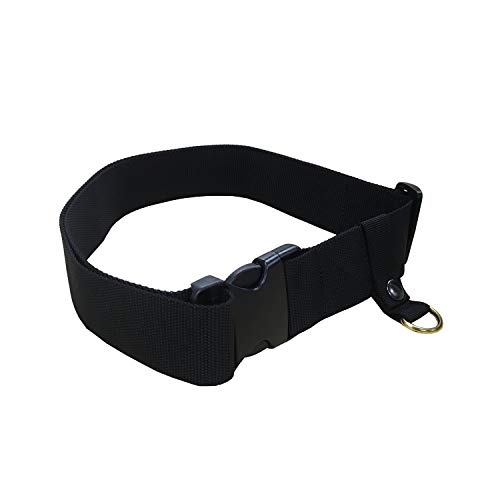
The careful attention to detail in construction quality — typical of Japanese manufacturing — is widely praised: buckle joint strength and stitching quality are both top-notch. Many veteran tradespeople have been using the same belt for years without any deformation from daily hard use. For those who prioritize the reliability of a domestic Japanese manufacturer, this is one of the best options available.
Fujiya Waistline Series Support Belt with Suspenders Set SPB-01


 Mena
MenaWith suspenders distributing the weight to your shoulders, the difference in how your lower back feels after 8 hours in full gear is real.
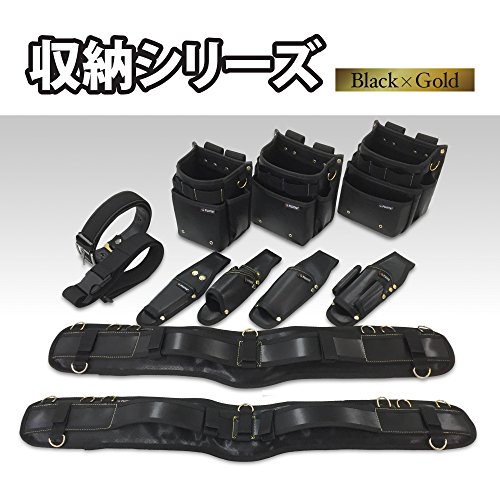
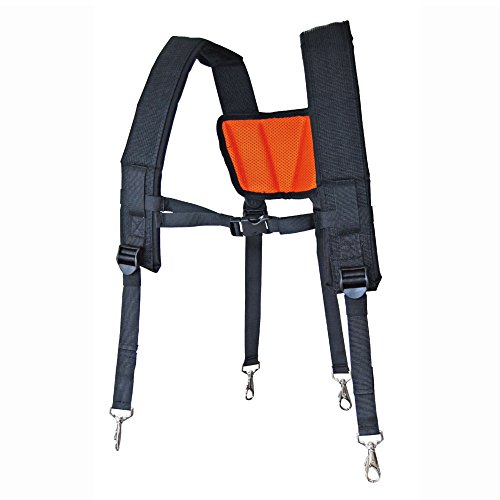
The Fujiya SPB-01 is a set of the support belt body and suspenders (shoulder straps). The suspenders redirect the load that would otherwise concentrate in your lower back up to your shoulders and back, dramatically reducing back fatigue. It’s especially suited for electricians running multiple pouches in full gear, or carpenters who carry tools all day.
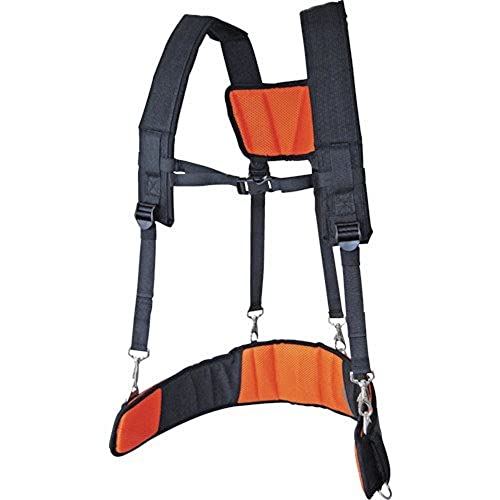
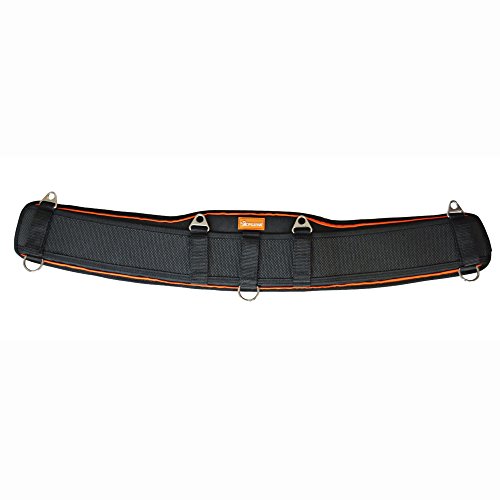
The support belt section has a thick cushion that softens direct pressure on the hip bones. The suspenders are removable, so you can use the belt alone in situations where they’re not needed, like confined spaces. The 50 mm standard belt width works not just with Fujiya tool holders, but also with mixed setups using Tajima and KNICKS accessories.
This is a product that people with back problems and experienced tradespeople who’ve been wearing tool belts for years describe as “what finally made my back feel better.” It’s also an ideal entry point for anyone considering a suspender belt for the first time. Being sold as a set, it’s more affordable than buying separately — a cost-efficient choice with Fujiya’s long-lasting build quality.
Makita Quick-Release Belt A-53746

 Mena
MenaOutstanding brand unity with Makita tools. The belt itself is solid, and Makita’s tool pouches go straight on it.
The Makita A-53746 is Makita’s genuine quick-release belt for tool pouches. It’s the ideal choice for those who want to coordinate everything under the Makita brand, or for anyone who already has Makita genuine pouches and tool holders and wants a matching belt.
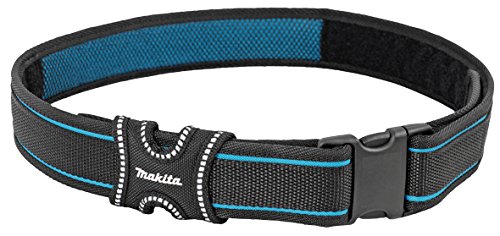
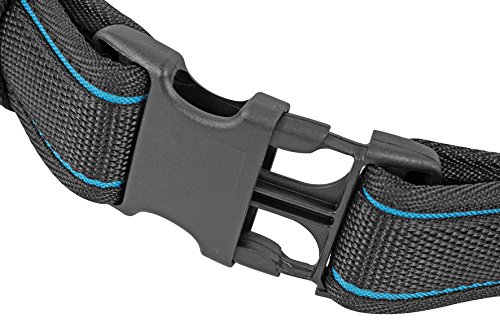
The quick-release buckle operates smoothly, and the belt material reflects Makita’s durability-focused design ethos. The standard width fits the universal loop width for tool pouches, meaning pouches from other brands can also be attached. The black colorway hides dirt well, prioritizing practical functionality on the job site.
For professionals building their job-site toolkit around Makita tools, being able to unify the brand down to the belt has a satisfying completeness. For those who want to equip everything with Makita — pouches, chargers, and power tools — this genuine option lets you build a fully matched system built for the job site.
Summary: Your Tool Belt Is Your Most Important Back-Protection Equipment
Tool belts and support belts tend to be overlooked because they aren’t tools themselves — but they have a huge impact on how much strain your lower back takes every day. If you wreck your back, you can’t work at all. I strongly recommend treating your belt investment like an insurance premium: don’t cut corners.
Quick summary of the choices: for light work or confined spaces, a slim belt without padding (KNICKS KN-B or Densan DB-130BL); for standard electrician or carpenter work, a padded quick-release belt (Tajima CRX800 or Fujiya B-01BG); for heavy full-gear setups and back pain prevention, a suspender setup (Fujiya SPB-01).
If you’re unsure which brand to start with, KNICKS or Tajima are the standard entry points. Both have strong tool pouch lineups alongside their belts, making it easy to outfit your whole setup under one brand. ToughBuilt and Makita shine when combined with their respective brand’s tools and pouches.
We hope this article helps you find the right tool belt. Check out the related articles below as well.
Also Worth Reading
- KNICKS Recommended Tool Pouches & Holders: 11 Picks | Comparing the Premium Brand Electricians Covet
- 【Review】Tool Belt Sets from Various Brands: TOUGHBUILT, MARVEL, DEWALT, Densan, and Makita
- Complete Guide to Tools Used by Electricians on the Job Site: 11 Pro-Recommended Picks
- [Review] 10 Handy Job Site Gadgets Every Pro Craftsman Should Know
- How to Choose a Complete Electrician’s Tool Belt Set — Tajima and NICKS Recommended
- Tool Belt Showdown! DEWALT vs Klein Tools vs CLC — Which Belt Won’t Wreck Your Back?