
Affiliate Disclosure: This article contains affiliate links. If you make a purchase through these links, we may earn a commission at no additional cost to you.
I (Mena) have put together a 2026 edition roundup of the tools I have actually used and relied on in elevator maintenance work. From torque wrenches and insulated screwdrivers to clamp meters and insulation testers, all the way to work lights and full-body harnesses — I only included tools I truly felt I could not work without.
Elevator maintenance requires a complex blend of skills spanning three domains: electrical, mechanical, and safety. Insulated tools for control panel wiring work, torque management tools for brake adjustment, fall-arrest equipment for work at height — having the right tools for each situation is the prerequisite for safe and reliable inspection work.
 Mena
MenaThe single most important thing when choosing tools for elevator maintenance is “never cut corners on anything safety-related.” Investing in quality torque wrenches, insulated tools, and harnesses directly translates to accident prevention.
How to Choose Elevator Maintenance Tools
Use Different Tools for Electrical Work vs. Mechanical Work
Elevator maintenance is broadly divided into “electrical” and “mechanical” work. Electrical work (control panels, wiring, sensors) demands insulated screwdrivers, clamp meters, and insulation testers. Mechanical work (hoisting machines, brakes, door mechanisms) centers on torque wrenches, feeler gauges, and general-purpose tool sets.
Prioritize Tools That Meet JIS and Regulatory Requirements
The starting point is selecting tools that satisfy the standards of the Electrical Contractors Act, the Building Standards Act, and the Industrial Safety and Health Act. In particular, full-harness fall-arrest equipment must now comply with the new standards that became mandatory from January 2022. Verify JIS compliance for insulated tools and JIS certification for measuring instruments before purchasing.
Choose Measuring Instruments with Periodic Calibration in Mind
Measuring instruments such as clamp meters and insulation testers are recommended (and in some cases required) to undergo periodic calibration to maintain accuracy. Choosing instruments from manufacturers that clearly support calibration certificate issuance and have established calibration center processes ensures the reliability of your inspection records.
Top 10 Recommended Tools for Elevator Maintenance Technicians
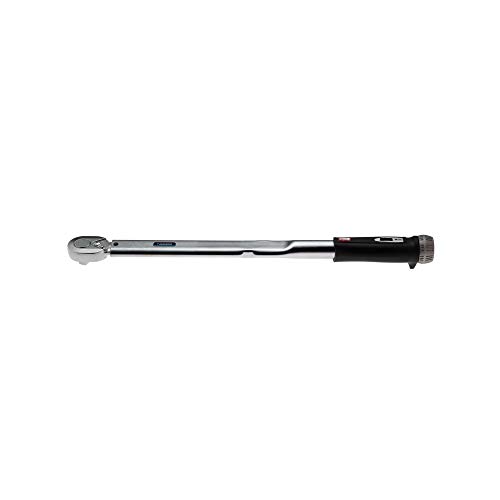
TONE Torque Wrench T4MN200


 Mena
MenaProper bolt torque is everything in elevator work. The T4MN200 is easy to set — just tighten until you hear the click and you’re done. Torque management on-site has become dramatically easier.
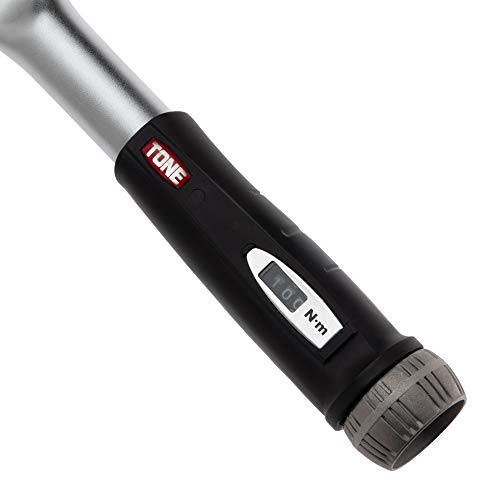
Bolt torque management is indispensable in elevator maintenance work. TONE’s T4MN200 is a preset-type (direct-set) torque wrench with a 1/2-inch (12.7 mm) drive and a measurement range of 40–200 N·m. Its specs cover high-frequency tasks such as main shaft bearing replacement and door mechanism fixing bolt tightening during equipment inspections.
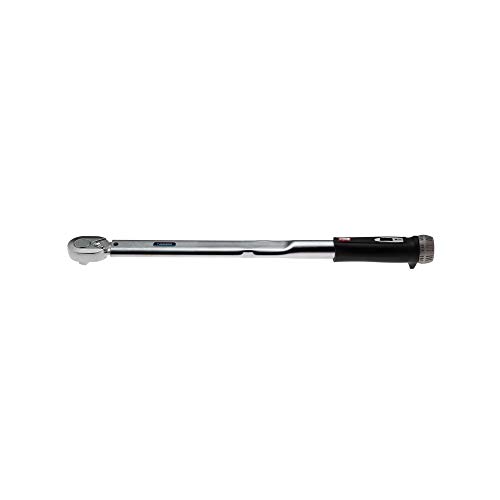
The direct-set mechanism lets you set the target torque by turning the grip, which minimizes accidental torque changes and keeps the set value reliable even in dark elevator shafts. When the preset torque is reached, a click sound and tactile feedback notify you, preventing bolt damage from over-torquing.
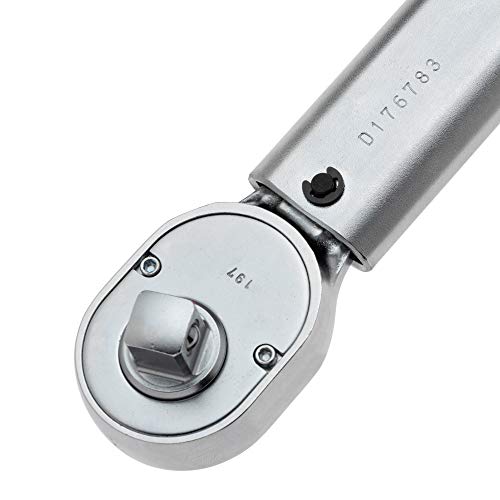
One downside is that some models do not come with a carrying case, so you will need to provide protection during transport. Also, since this is a 1/2-inch drive tool, a compatible socket set must be purchased separately. Having one dedicated to elevator maintenance ensures reliable bolt tightening to JIS specification values.
VESSEL Megadora Insulated Screwdriver 6-Piece Set 9606PS


 Mena
MenaInsulated screwdrivers give me real peace of mind for electrical system work. With 1000 V insulation, I’m not afraid even around control panels. Just seeing the VESSEL logo on-site instills confidence.
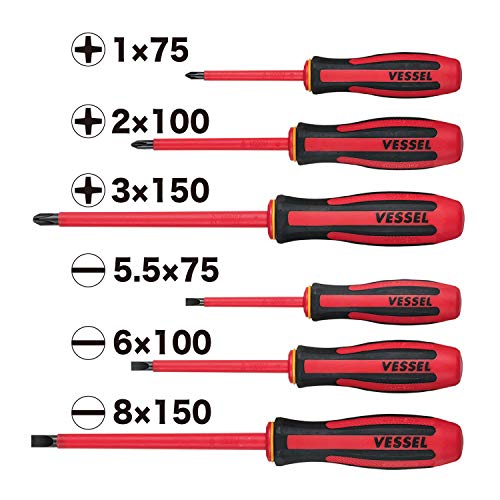
Insulated screwdrivers are essential for elevator control panels and wiring work. The VESSEL 9606PS is a 6-piece set of 1000 V insulated screwdrivers, certified to the VDE standard (equivalent to IEC 60900). It includes #1–#3 Phillips and flathead sizes, covering everything from tightening terminals inside control panels to wiring connections.
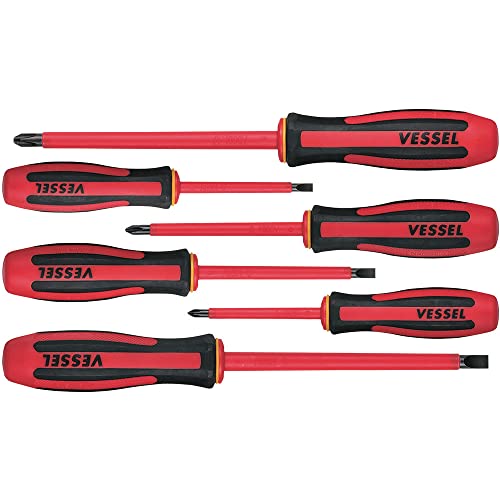
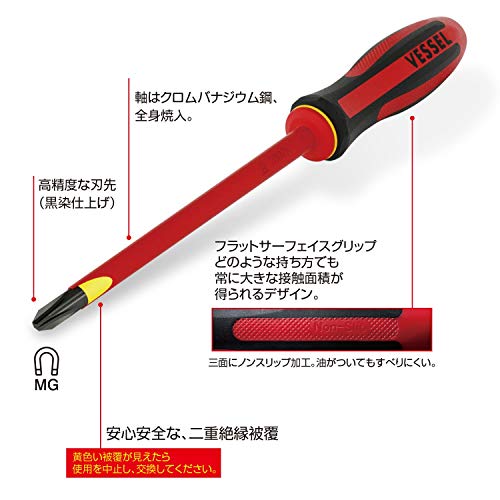
VESSEL is known as a top brand for electrical contractor exam tools, and is highly regarded for both insulation performance and durability. The grip is appropriately thick with anti-slip treatment, allowing reliable force transmission even in confined shaft spaces. Full-length insulation covering on the shank reduces the risk of accidental electric shock from unexpected contact.
One downside is that Amazon availability is limited, with purchases primarily from electrical specialty stores or Rakuten Ichiba. Additionally, it is recommended to periodically verify the insulation integrity of insulated screwdrivers — any scratches or cracks require immediate replacement. This is a must-carry item for elevator maintenance technicians who frequently work with control panels.
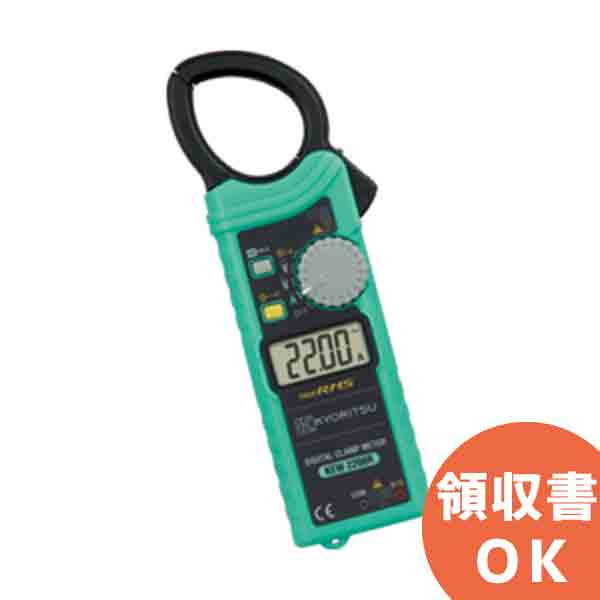
Kyoritsu Electrical Instruments Clamp Meter KEW2200R
 Mena
MenaThe KEW2200R is pocket-sized yet highly accurate. The compact form factor is perfect for field use — you can whip it out even in tight elevator shafts. I use it every time to check motor current.
A clamp meter is essential for measuring current on elevator main motors and hoisting machines. Kyoritsu Electrical Instruments’ KEW2200R is a pocket-sized model dedicated to AC current measurement, supporting up to AC 1000 A with a clamp diameter of φ33 mm. Being a true RMS type, it provides accurate current readings even on inverter-controlled elevators.
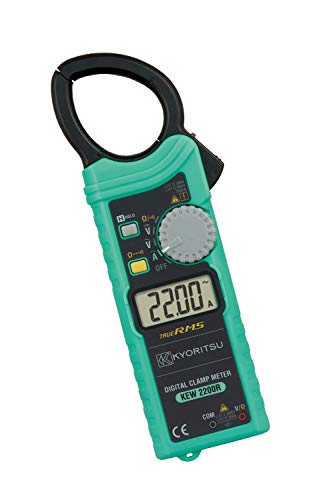
The compact body dimensions fit in a chest pocket, which is invaluable when working inside elevator shafts or machine rooms. One-handed clamp operation and a backlit, easy-to-read digital display add to its practicality. Kyoritsu’s long-standing market share among electrical contractors and facilities maintenance technicians is another reason to trust this brand.

Note that the KEW2200R is an AC-only model and does not support DC current measurement. A separate DC-capable unit will be needed for any DC drive sections of an elevator. Also, the clamp cannot accommodate cables exceeding φ33 mm, so verify compatibility before using it on main trunk cables.
HIOKI Insulation Resistance Tester IR4051-10


 Mena
MenaHIOKI insulation testers are great for their fast response. The short settling time lets me move through multi-point inspections at a good pace.
Insulation resistance measurement is mandatory in periodic electrical equipment inspections for elevators. The HIOKI IR4051-10 is a digital insulation resistance tester switchable across five ranges — 125 V / 250 V / 500 V / 1000 V / 2000 V — and is JIS-certified. It handles everything from elevator control circuits (low-voltage circuits) to main power circuits in a single unit, reducing the need to swap instruments and improving work efficiency.
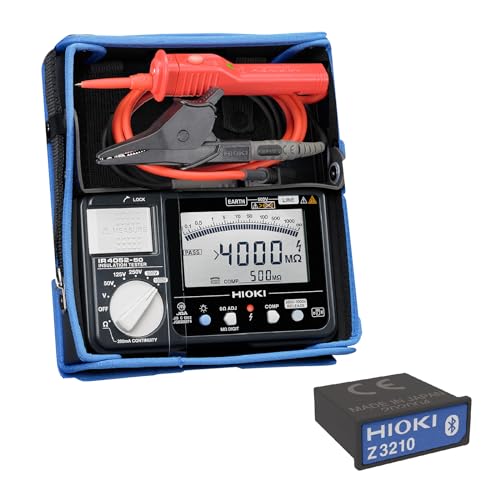
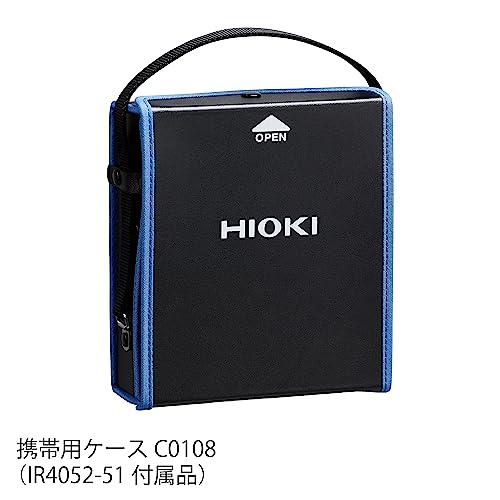
A built-in comparator function allows pass/fail judgments to be confirmed visually, and the fast 0.8-second response minimizes wait time during multi-point inspections. IP54 dust and splash resistance means it can withstand use in dusty elevator pit environments. The test lead L9787 is included as standard, so you can start using it right out of the box.
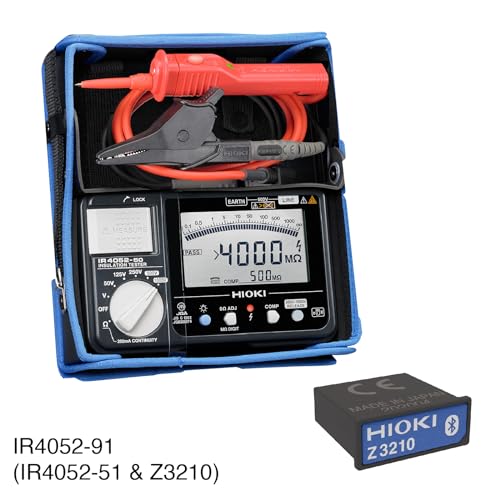
The downside is the higher price compared to budget alternatives from other brands. However, as the cornerstone instrument for electrical equipment inspections, it offers more than sufficient cost-effectiveness when viewed as an investment in accuracy and durability. Factor periodic calibration (check whether a calibration certificate is required) into your purchase and operating plan.
KTC DigiRaché GEK085-R4



 Mena
MenaThe KTC DigiRaché shows the torque value in real time on its LCD, making it easy to dial in to the specified value. The audible alert means no worry about over-torquing.
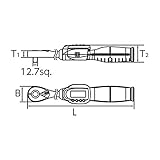
KTC’s DigiRaché GEK085-R4 is a digital torque wrench (digital ratchet) that displays torque values in real time on an LCD while you tighten. With a 1/2-inch (12.7 mm) drive and a measurement range of 17–85 N·m, it covers the tightening torque range commonly needed for elevator door panel fixing bolts and auxiliary equipment in the machine room.
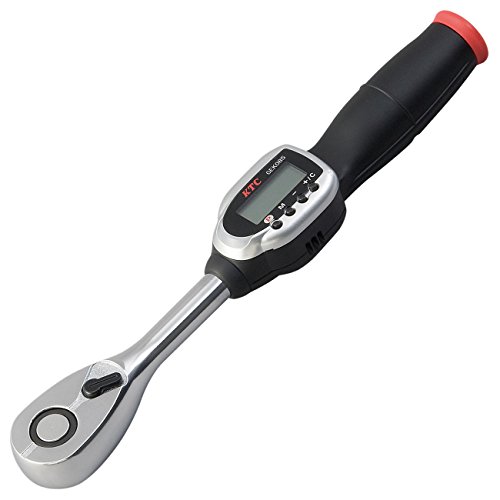
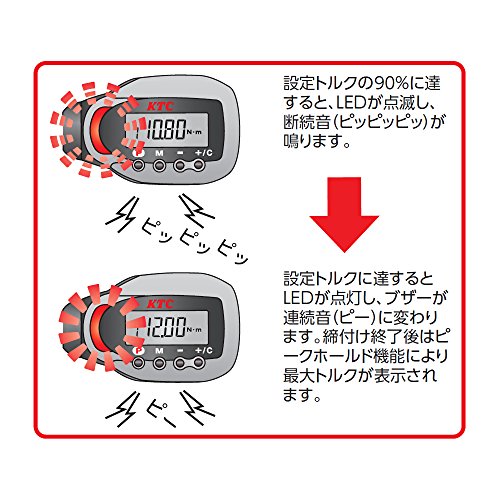
An alert function notifies you with an audible tone and vibration when the preset torque is reached, preventing over-torquing even during multi-tasking. A peak-hold function also enables you to review tightening torque records after the fact. The built-in ratchet mechanism allows continuous work without removing the socket, which is also a practical advantage.
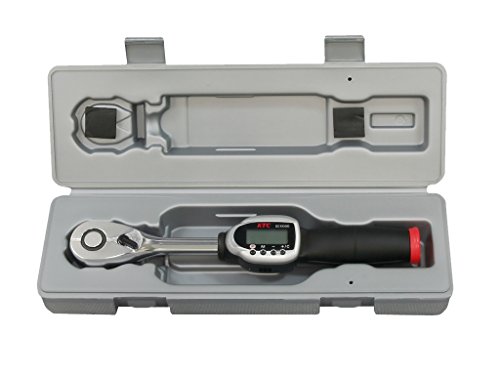
Points to note are the need for batteries (2 × AAA cells) and the care required with this digital device against impacts and drops. Measurement accuracy is also not guaranteed outside the measurement range (below 17 N·m or above 85 N·m). Despite the higher price, this is the ideal choice for sites where precise torque management and record-keeping are required.
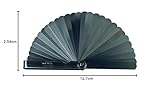
Mitutoyo Feeler Gauge 184-313S

 Mena
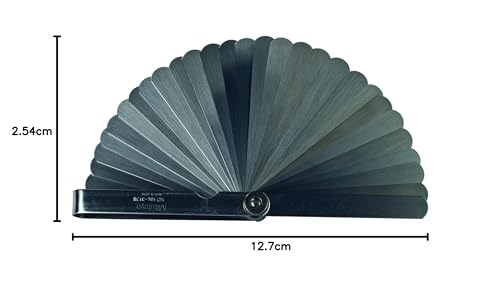
MenaA feeler gauge is essential for checking elevator brake lining clearances. The Mitutoyo 184-313S has 28 blades, covering virtually every specified clearance value.
The electromagnetic brake on an elevator must be periodically inspected to confirm that the gap between the lining and the drum (or disc) is within the specified value. The Mitutoyo 184-313S is a THG/28 feeler gauge set covering the range of 0.05 mm to 1.0 mm across 28 blades.
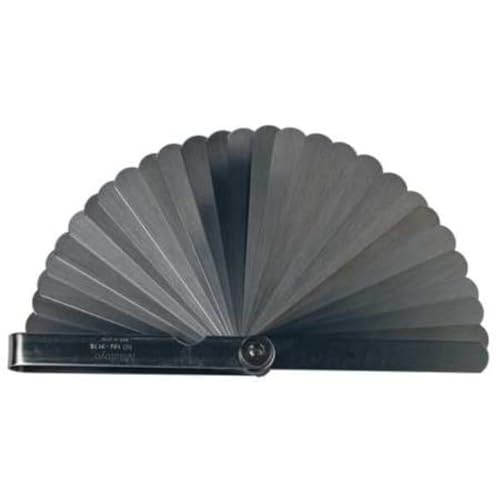
Brake clearances are typically specified around 0.1–0.3 mm depending on the product, and this set’s blade configuration handles most cases. The blades meet Mitutoyo’s JIS standards and maintain stable accuracy through repeated use. The straight-type blade configuration is easy to insert into the narrow gaps of moving parts.
One caution during use: forcing the blade in causes measurement error, so proper force control is essential. Also, measuring with oil or dirt on the blades degrades accuracy, so always clean them before measuring. This is an item you want to keep permanently stocked in your toolbox for elevator brake inspections.
VESSEL Ball Grip Screwdriver No. 220


 Mena
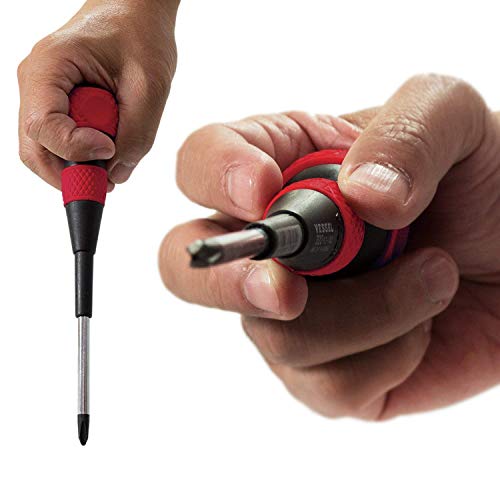
MenaI love how the VESSEL Ball Grip feels natural in my hand right away. I use it every day to remove and reattach elevator inspection covers, so an ergonomic grip directly affects productivity.
Removing and reattaching exterior panels and control box covers is routine work in elevator maintenance. VESSEL’s Ball Grip Screwdriver No. 220 series comes in both Phillips and flathead sizes, and its distinctive spherical grip fits perfectly in the palm of your hand. It transfers rotational torque efficiently, making tightening and loosening easy even in confined spaces.
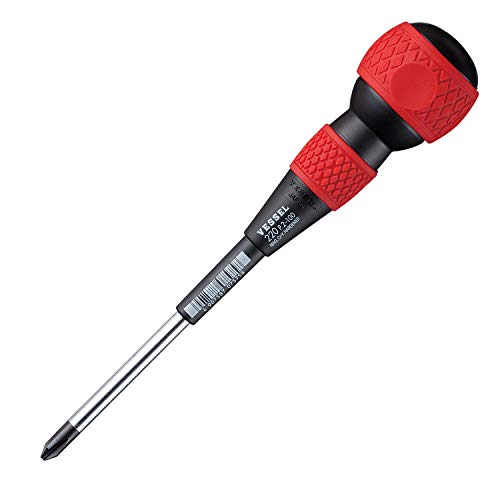
The grip material uses an elastomer (elastic material) that balances ease of force application with reduced hand fatigue. VESSEL, a domestic Japanese tool brand, delivers high precision and durability that holds up to long-term professional use. The No. 220 #2 Phillips × 100 mm is the most versatile option and one of the first screwdrivers you’ll want for elevator maintenance.
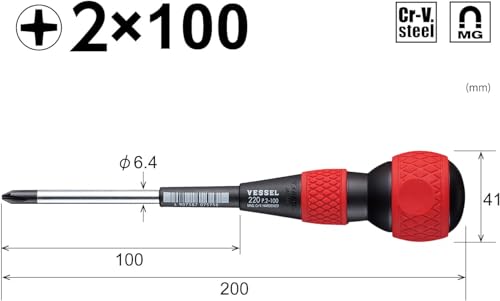
Note that the ball grip is not suited for high-torque tightening, and there are situations where a different screwdriver will be needed for precision work. Also, this product is not an insulated screwdriver, so it must not be used for live-wire work (working with electricity flowing). Use it for its intended purpose — routine maintenance work.
Makita Cordless LED Work Light ML811


 Mena
MenaThe Makita ML811’s key strength is that it runs on either battery or AC 100 V. It’s a lifesaver for pit work inside elevator shafts where there’s no AC power source — the battery option comes through every time.
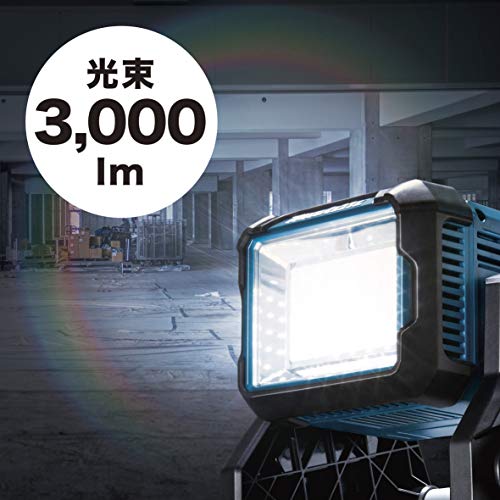
A work light is indispensable for working in the elevator shaft pit or dark areas of the machine room. The Makita ML811 is a stand light that works with both 14.4 V/18 V lithium-ion batteries and AC 100 V power — a dual-power design that means you can get light from whichever source is available on-site.
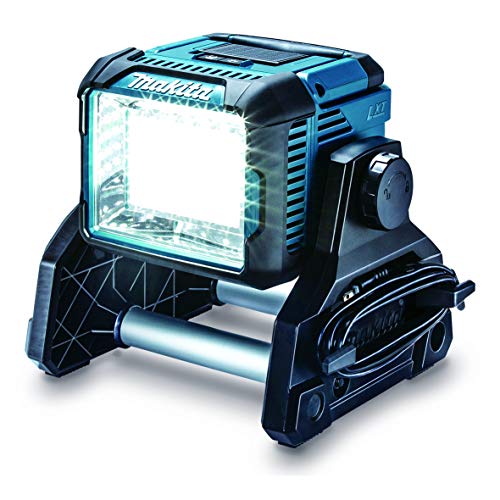
The LED panel type illuminates a wide area evenly, making it easy to check fine details of inspection targets without the harsh glare of a spotlight. Its ability to stand on its own means you can keep both hands free while working. If you already use Makita tools, existing batteries can be reused, minimizing additional investment.
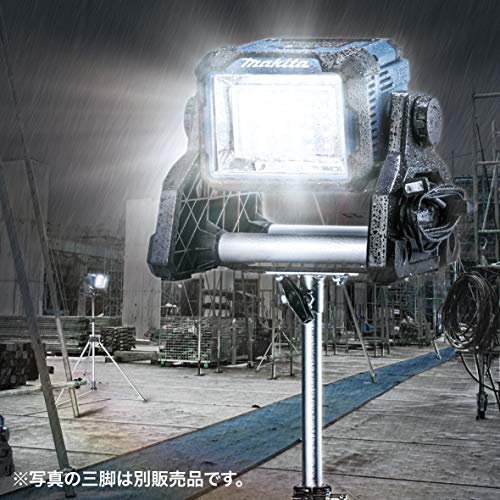
The downside is that when purchased as a body-only unit, the battery and charger are sold separately. When using a rechargeable battery, continuous lighting time varies with battery capacity, so for extended nighttime work, combining with AC power or carrying a spare battery is recommended. This is the ideal tool for securing visibility during nighttime or enclosed-space work inside elevator shaft pits.
Tajima New Standard Full Harness GS (Bellows Double Lanyard Set) L-Size




 Mena
MenaTajima is the No. 1 choice on-site for full harnesses. The A1GSLJR causes minimal body interference and is light on the lower back even during extended wear. I always put it on for high-altitude work inside the shaft.
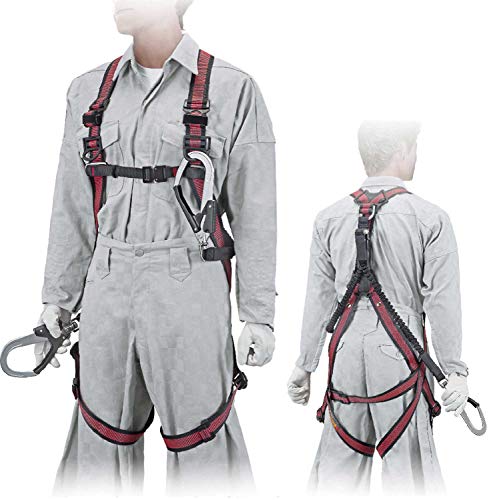
The most critical safety equipment for elevator maintenance work is the full-harness fall-arrest device. Since January 2022, full-harness type equipment has been mandatory for work above 6.75 m (in construction and related industries), and compliance is also expected for high-altitude work inside elevator shafts. The Tajima A1GSLJR-WL2BK is an L-size model consisting of the Full Harness GS (with steel buckle) combined with a bellows-style double lanyard L2 set.
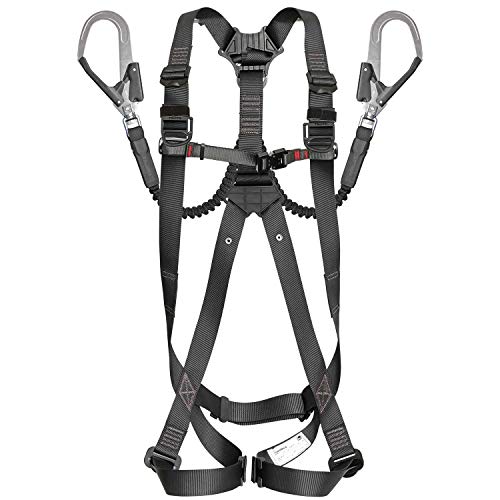
The Y-shaped structure minimizes constriction on the body, reducing fatigue accumulation even during prolonged wear. The bellows-style lanyard is short and compact when retracted, which avoids getting in the way inside narrow elevator shafts. The double lanyard (two hooks) provides a dual-safety design so that at least one hook is always secured when transferring between positions.
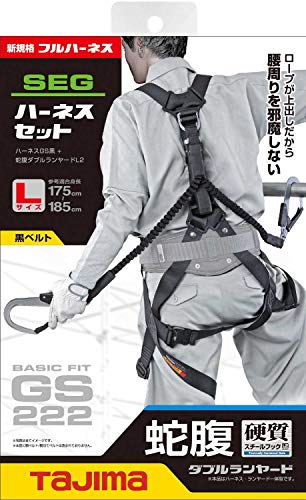
Important: you must confirm that the product you purchase is a new-standard item (compliant with the Fall Arrest Equipment Standard). Old-standard products (old-type safety harnesses) have not been permitted for new use since 2022. Also, safety standards require that the harness be inspected after each use, and immediately replaced if damage, deformation, or corrosion is found.
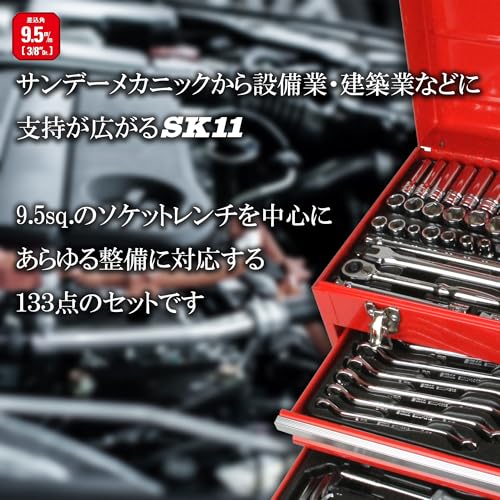
SK11 Maintenance Tool Set 133-Piece SST-16133RE





 Mena
MenaThe TRUSCO tool set delivers solid quality at a realistic price. I can recommend it as a starter kit for new maintenance technicians. With everything from spanners to screwdrivers included, this one set covers it all.
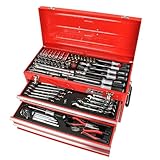
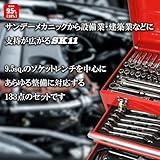
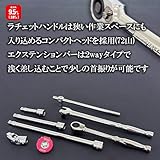
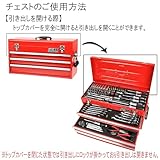
As a comprehensive starter kit of basic tools for elevator maintenance technicians entering the field, the SK11 SST-16133RE offers 133 pieces in one set. It covers the essential maintenance tools — socket wrenches, screwdrivers, pliers, and more — addressing the tightening, adjustment, and inspection tasks required on-site with this single set.
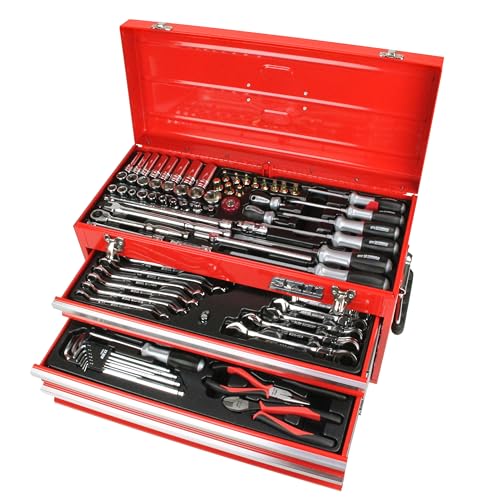
TRUSCO brand’s strength is the easy availability of consumables (replacement tools). They are widely carried by home improvement centers and industrial tool distributors, so urgent restocking near the job site is manageable — a practical advantage for field work. For elevator sites where specialized tools are frequently required, it is also rational to keep general-purpose tool costs down with a set like this and redirect the savings toward dedicated tools.
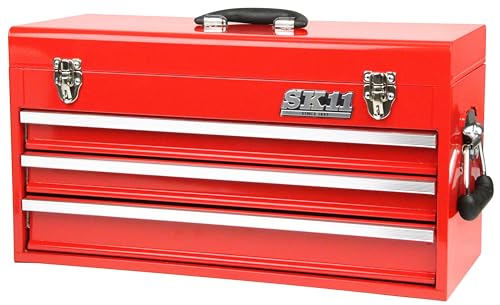
The downside is that the set contains standard general-purpose tools, so torque management tools and measuring instruments are not included — those will need to be sourced separately. Precision work and high-load bolt tightening also favor dedicated tools. This is the ideal starter kit for entry-level to mid-level maintenance technicians who want to cover all general-purpose tools in one purchase.
Summary: Tool Selection for Elevator Maintenance
I’ve introduced 10 tools for safely navigating elevator maintenance work on-site. The first priority when building your kit should be safety-critical tools. The rational order is to first get a full harness (Tajima A1GSLJR), insulated screwdrivers (VESSEL 9606PS), and a work light (Makita ML811), then progressively invest in measuring instruments (Kyoritsu KEW2200R, HIOKI IR4051-10), precision tools (Mitutoyo 184-313S), and torque management tools (TONE T4MN200, KTC GEK085-R4).
MenaThe cost spent on tools is an upfront investment in safety. Good tools last longer and reduce the risk of accidents. Maintenance technicians who are trusted on-site never begrudge investing in their equipment.
Related Articles
- Professional Tool Roundup for On-Site Use
- Measuring Instrument Guide for Facilities Maintenance Technicians
- Best Portable Power Stations Ranking (original article in Japanese)
Related Articles
- [Review] The Essential Arsenal for Plumbers: 12 Pipe-Work Tools Explained from the Field
- [Review] The Mainstream of Electrical Measurement: HIOKI Voltage Testers & Multimeters — 10 Models Explained for Electricians
- Ironworker’s Essential Gear: Top 12 High-Altitude Tools & Safety Equipment — Complete Guide
- 12 Essential Plastering Trowels & Tools: A Complete Jobsite Expert Review
- DIY Torque Wrench Guide: 90% of Your Force Never Tightens the Bolt