
Affiliate Disclosure: This article contains affiliate links. If you make a purchase through these links, we may earn a commission at no additional cost to you.
I (Mena) have used and refined these tools on sheet metal job sites for over 10 years, and here is my comprehensive 2026 summary. I’ve selected only the tools I’ve found absolutely indispensable on actual sheet metal job sites — tin snips, riveters, disc grinders, electric nibblers, sheet metal hammers, bending brakes, center punches, clamps, and more.
Sheet metal work is a continuous cycle of “cutting, bending, hammering, and joining” thin steel sheets. The quality of your tools directly affects work efficiency and finish quality. Many craftsmen have experienced rough burrs or uneven cuts from inexpensive tools. I hope this article helps guide your tool selection.
 メナ
メナA sheet metal worker’s skill is proportional to tool quality. Good tools reduce on-site mistakes and raise finish quality. When you consider long-term costs, investing in professional-grade tools always pays off.
What Is a Sheet Metal Worker? Key Tool Requirements
A sheet metal worker processes thin steel, aluminum, and stainless steel sheets to fabricate and install ducts, exterior wall panels, automotive bodies, roofing materials, and more. The basic processes of cutting, bending, welding, and joining are accomplished with a wide variety of specialized tools.
The three key requirements for sheet metal tools are precision, durability, and availability of consumables. Professional brands such as Morimitsu, Lobtex, Makita, SK11, and IRWIN — where replacement parts (blades, nose pieces, bits) are consistently available — far outperform cheap alternatives in long-term cost efficiency.
Top 12 Recommended Sheet Metal Field Tools [2026 Edition]
1. Morimitsu Kisei-ko Series Straight Blade 240 HSTM-0024
メナFrom straight cuts to curves in sheet metal, this single tool handles it all. Even with years of use, the blade doesn’t wear out easily and resharpens well. It’s the tool I reach for most on the job site.

| Manufacturer | Morimitsu (MORIMITSU) |
| Model | HSTM-0024 |
| Blade Shape | Straight blade |
| Total Length | 240 mm |
| Material | Hardened steel (resharpenable) |
| Compatible Sheet Thickness | 0.3–1.2 mm (thin steel sheet) |
| Features | Spring-loaded auto-open mechanism, elastomer grip |
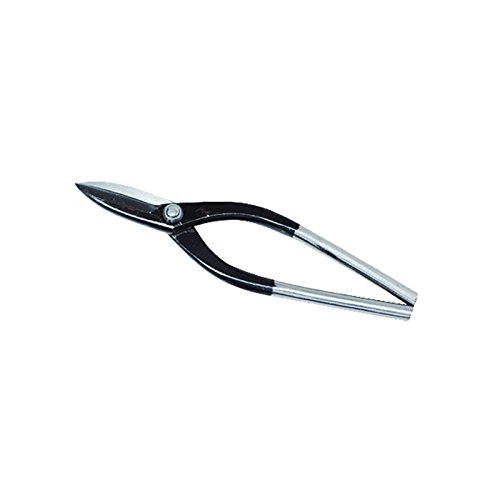
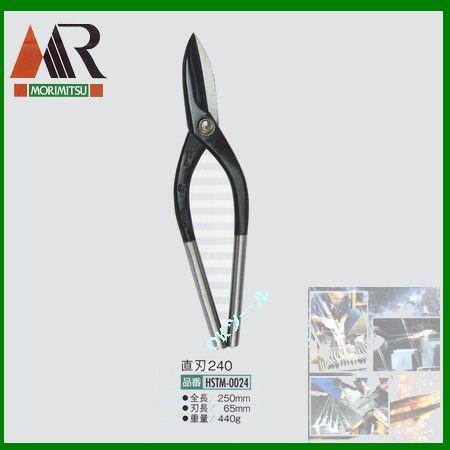
Tin snips (aviation snips) are a must-have for sheet metal workers. Morimitsu’s Kisei-ko Series HSTM-0024 is a straight-blade 240mm model that cuts thin steel sheet (0.3–1.2mm) smoothly. The hardened blade maintains sharpness for a long time, making it a trusted standard in professional settings.
The elastomer grip fits comfortably in your hand, reducing grip fatigue during extended work sessions. The spring-loaded auto-open mechanism significantly reduces hand strain during continuous cutting. The straight blade excels at straight cuts and gentle curved cuts.
Since this is a tool you use every day for tasks like trimming scrap metal and cutting duct components, quality truly matters. The domestically produced, resharpenable blade helps keep long-term maintenance costs down.
2. Lobtex Hand Riveter HR-300
メナThe HR-300 hand riveter resolves almost any riveting challenge on the job site. The feel of snapping a rivet cleanly with one hand is something else.





| Manufacturer | Lobtex (LOBTEX) |
| Model | HR-300 |
| Type | Hand riveter |
| Compatible Rivet Diameter | 3.2 / 4.0 / 4.8 mm |
| Compatible Materials | Aluminum rivets, steel rivets |
| Included Accessories | 3 nose pieces, collector |
| Applications | Joining and temporary fixing of steel and aluminum sheets |
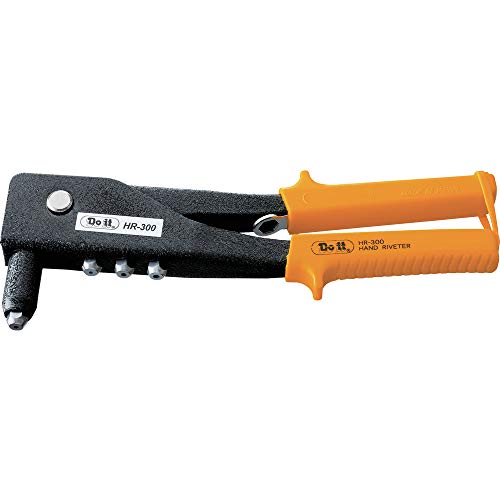
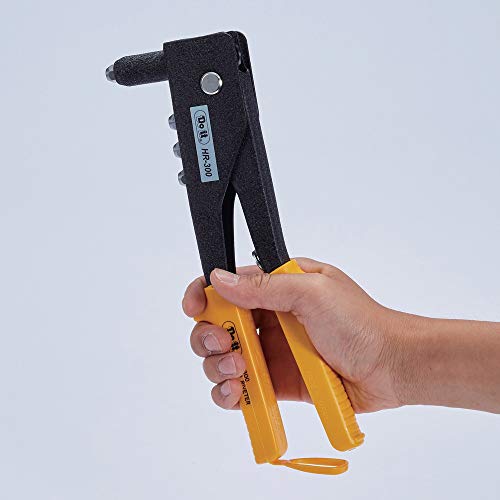
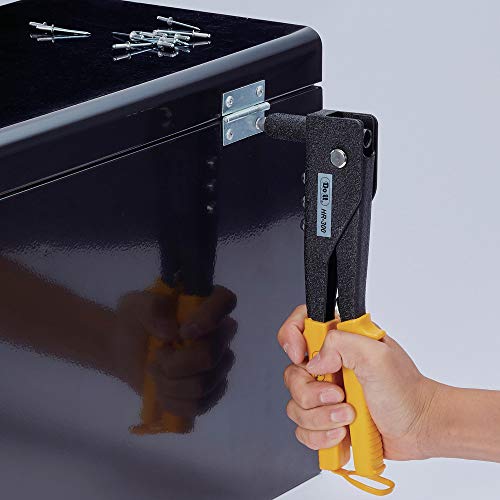
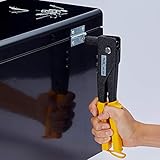
A hand riveter joins metal sheets together with rivets (fasteners). The Lobtex HR-300 handles pop rivets from 3.2–4.8mm and can manually drive both aluminum and steel rivets. It is widely used for temporary assembly and final fastening of steel and aluminum sheets.
Its smoothly operating lever mechanism and robust body are designed for low fatigue even on job sites where many rivets are driven daily. Multiple nose pieces (tip attachments) are included for quick adaptation to different rivet sizes.
Ideal for areas where spot welding is difficult, joining dissimilar metals, or temporary fixturing. Lighter and more maneuverable than a power riveter, making it valuable for overhead or confined space work.
3. Makita Disc Grinder 9553B
メナA versatile machine that handles deburring, cutting, and grinding. There’s never a day on the sheet metal job site without a grinder.

| Manufacturer | Makita |
| Model | 9553B |
| Disc Diameter | 100 mm |
| Power Consumption | 720 W |
| No-Load Speed | 10,000 rpm |
| Weight | 1.7 kg |
| Applications | Deburring, cutting, rust removal, grinding |
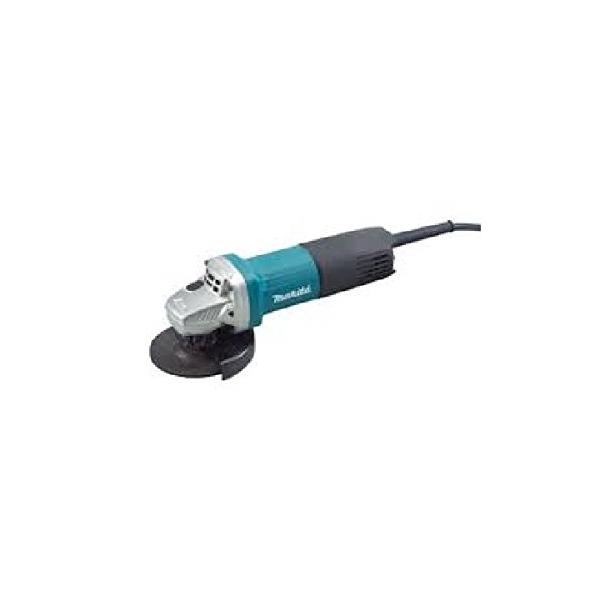
The disc grinder is an essential tool for sheet metal workers. Makita’s 9553B is a standard model with a 100mm disc and 720W motor, handling a wide range of tasks including deburring, cutting, removing weld spatter, and rust removal. Its compact body is excellent for working in tight spaces.
The spindle lock mechanism allows tool-free disc changes. While cordless versions (18V/40V) have become popular, the corded 9553B maintains stable power for long continuous work sessions.
By swapping between cutting discs, grinding discs, wire cup brushes, and flap discs depending on the task, you can handle many sheet metal jobs with a single tool.
4. Makita Electric Nibbler JN1601
メナWhen you need complex curved cuts, an electric nibbler is the answer. It easily makes interior cuts that are difficult with a grinder.


| Manufacturer | Makita |
| Model | JN1601 |
| Type | Electric nibbler |
| Power Consumption | 470 W |
| Max Cutting Capacity (mild steel) | 1.6 mm |
| Max Cutting Capacity (aluminum) | 2.0 mm |
| Weight | 1.5 kg |
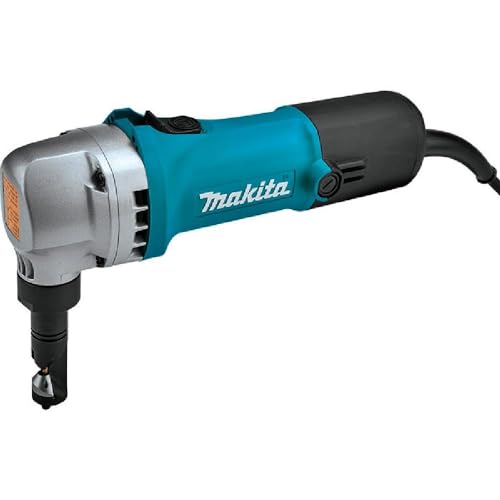
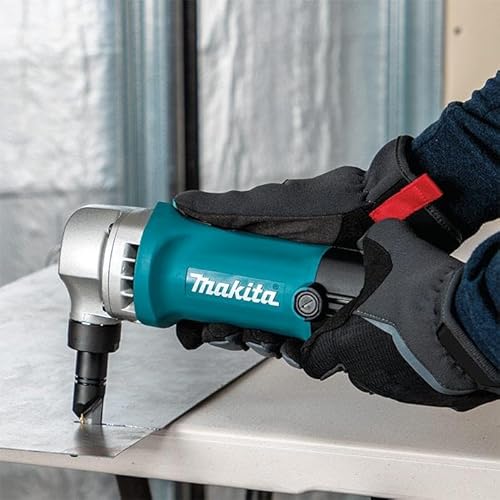
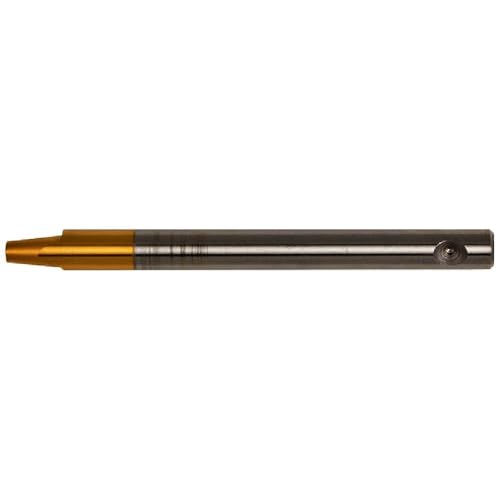
An electric nibbler is a power tool that cuts thin steel sheet (up to 1.6mm) freely in curves, straight lines, and interior cuts. Makita’s JN1601 has a 470W motor and handles mild steel up to 1.6mm and aluminum up to 2.0mm. It achieves high-precision cuts for interior cutouts and detailed curved patterns that are difficult with a grinder’s wheel.
Less burring and rollover at the cut edge, with a relatively clean finish, is another feature. It is particularly valued for precision component processing in ducts, switchboard panels, and exterior sheet metal work.
The timing for punch (blade) replacement can be judged by cutting feel, and consumable cost management is straightforward by design. It is one of the tools that directly contributes to skill development for sheet metal workers.
5. Morimitsu Standard Seam Tongs 30 TKJO-0030
メナYou’re in trouble without seam tongs right after heating a steel sheet. Morimitsu’s tongs open and close smoothly, gripping hot sheet metal accurately.
| Manufacturer | Morimitsu (MORIMITSU) |
| Model | TKJO-0030 |
| Type | Standard vertical/horizontal seam tongs |
| Total Length | 300 mm |
| Material | Forged steel (hardened) |
| Handle | Wooden handle |
| Applications | Gripping heated materials in sheet metal and roofing work |
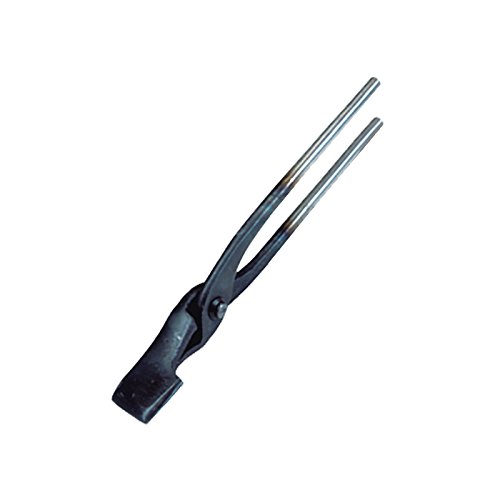
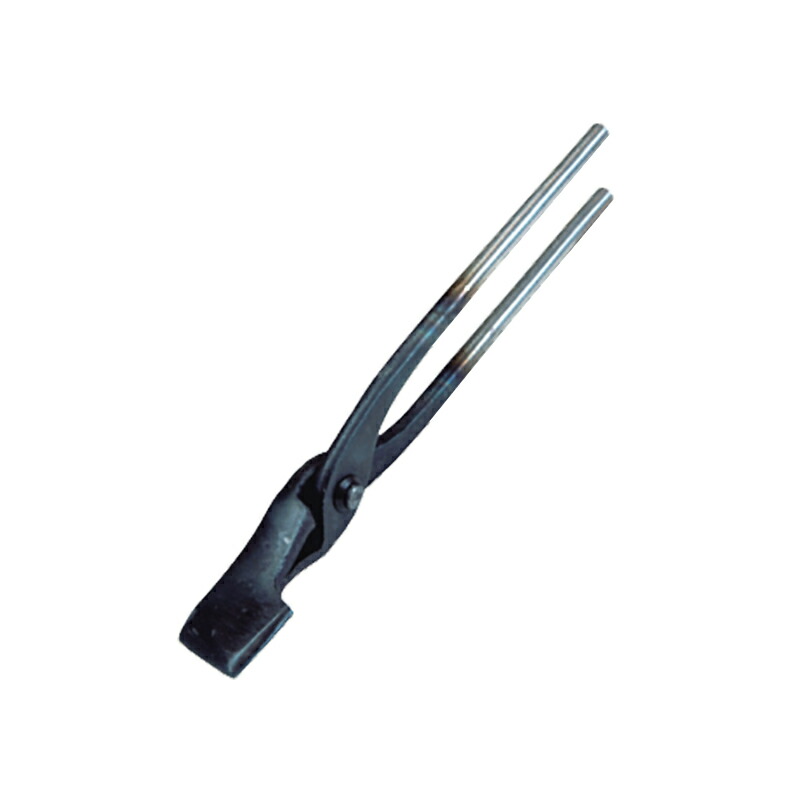
Seam tongs are specialized gripping tools used by sheet metal workers and roofing craftsmen. Morimitsu’s TKJO-0030 is a standard type that grips in both vertical and horizontal orientations, used to safely grip and move heated steel sheets and sheet metal materials.
Morimitsu’s seam tongs are forged steel for high strength, designed to resist deformation even with repeated use. The wooden handle provides thermal insulation, reducing heat transfer to protect hands from heat damage.
Seam tongs are a standard tool on sheet metal job sites. Using bare hands or general-purpose pliers creates risks of burns and dropping materials. Using specialized tools correctly is the foundation of safe work.
6. Morimitsu Yaneya Hammer New Type Clean 20mm HNGY-2024
メナA sheet metal hammer is the tool for shaping thin sheets by hammering. Cheap ones leave scratches on the steel sheet. Morimitsu’s quality commands deep trust on the job site.

| Manufacturer | Morimitsu (MORIMITSU) |
| Model | HNGY-2024 |
| Type | Yaneya hammer (sheet metal hammer) |
| Face Diameter | 20 mm |
| Total Length | 240 mm (reference) |
| Handle Material | Wooden handle |
| Applications | Sheet metal forming, bending and shaping in roofing sheet metal work |
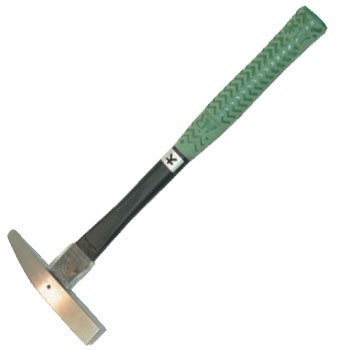
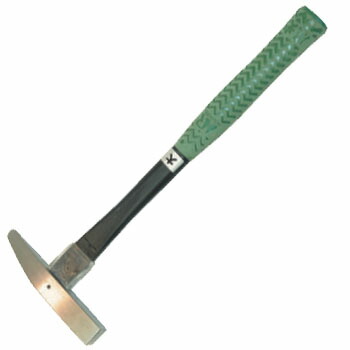
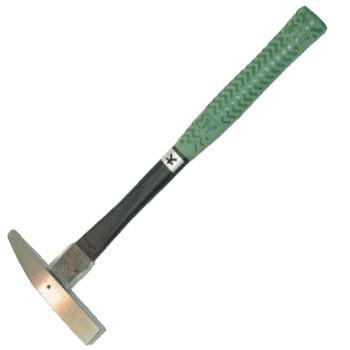
A sheet metal hammer is a specialized hammer for forming, correcting, and bending steel sheets. Morimitsu’s HNGY-2024 is a Yaneya hammer for sheet metal and roofing work with a 20mm striking face. The hardened striking face resists deformation and wear even with repeated striking.
The round head design handles everything from driving steel sheets to forming. Combined with a bending brake, it enables edge bending and rounding of sheet metal. The wooden handle absorbs shock to the hand, reducing long-session fatigue.
Many craftsmen keep multiple sheet metal hammers for different purposes. Lightweight types suit fine work; heavy types suit forming thick sheets. The Morimitsu brand is widely used by roofing sheet metal craftsmen as well.
7. SK11 Tipped Auto Center Punch AP10
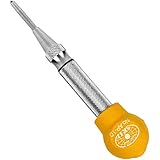
メナIf you skip center punching before drilling, the drill will slip and make a hole in the wrong place. SK11’s auto punch is spring-loaded — no hammer needed — so you can punch accurately with one hand.


| Manufacturer | SK11 (Fujiwara Sangyo) |
| Model | AP10 |
| Type | Auto center punch (spring-loaded) |
| Tip | Carbide tip |
| Tip Angle | 90° |
| Total Length | Approx. 130 mm |
| Compatible Materials | Steel sheet, aluminum, stainless steel, hardened materials |
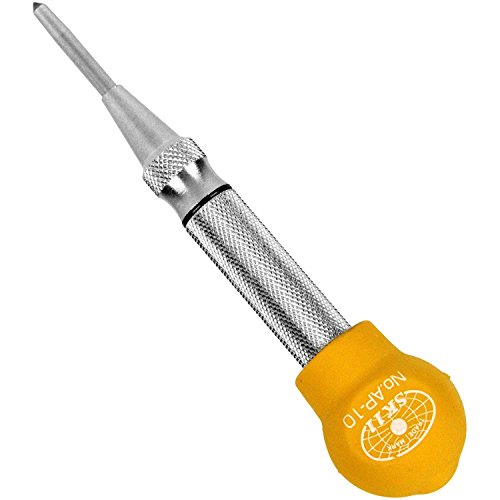
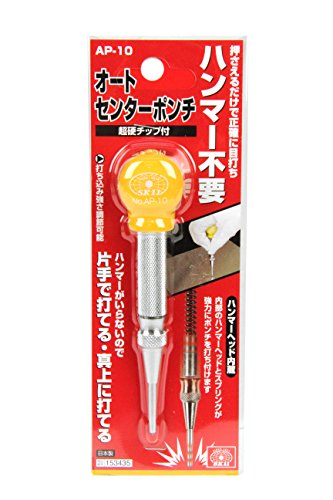
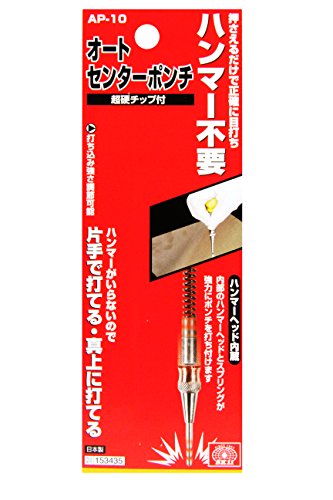
A center punch creates a guide hole to prevent the drill bit from slipping when drilling into steel sheet. SK11’s AP10 is a spring-loaded auto type that stamps automatically by simply pressing in place. The carbide tip allows use even on hardened steel sheet.
Center punch technique is simple, but strike precision determines the finish. In sheet metal work, whether hole positions match the blueprints directly determines quality, so a center punch with high marking accuracy is essential.
The auto type needs no hammer, so you can work one-handed while holding the workpiece (steel sheet) with the other. Work efficiency improves dramatically for overhead and unstable scaffolding work.
8. Shinwa Measuring Scriber C Pencil Type 78654
メナWhen drawing cut lines on steel sheet, a scriber is best. Markers fade easily, but scriber scratches remain visible even after machining.


| Manufacturer | Shinwa Measuring |
| Model | 78654 |
| Type | Scriber C Pencil Type |
| Tip | Carbide tip |
| Grip | Knurled (non-slip) |
| Total Length | Approx. 155 mm |
| Applications | Marking and scribing cut lines on metal and sheet metal |
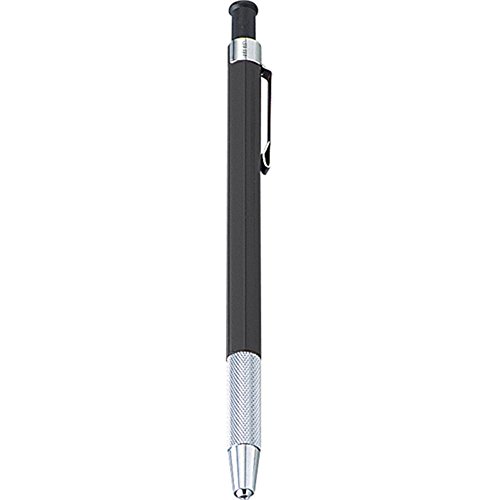
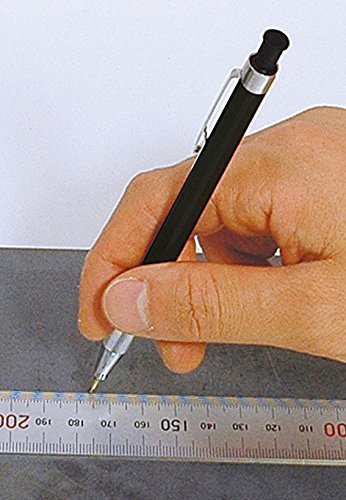
A scriber marks cut lines and hole positions on metal sheet. Shinwa Measuring’s 78654 is a pencil-type scriber with a carbide tip, capable of inscribing clear lines even on hardened steel sheet. The knurled grip is designed to be slip-resistant.
In sheet metal scribing work, a metal ruler is held against the surface and the scriber draws lines, accurately marking cut and hole positions. Unlike pens or markers, it leaves scratches that won’t disappear even on oily steel sheet, improving machining accuracy.
Shinwa Measuring is a highly trusted domestic measurement tool brand. This scriber is used widely from DIY to professional metalworking and offers excellent cost performance.
9. IRWIN Quick-Grip MD 600mm 1964720
メナA quick-grip clamp that tightens with one hand and secures immediately is especially helpful for solo work. Perfect for temporary fixing before welding when both hands are occupied.

| Manufacturer | IRWIN |
| Model | 1964720 |
| Type | Quick-Grip MD (one-hand operation) |
| Maximum Opening | 600 mm |
| Clamping Force | Approx. 180 kg |
| Operation | One-hand trigger style |
| Applications | Temporary fixing in sheet metal, welding, and woodworking |
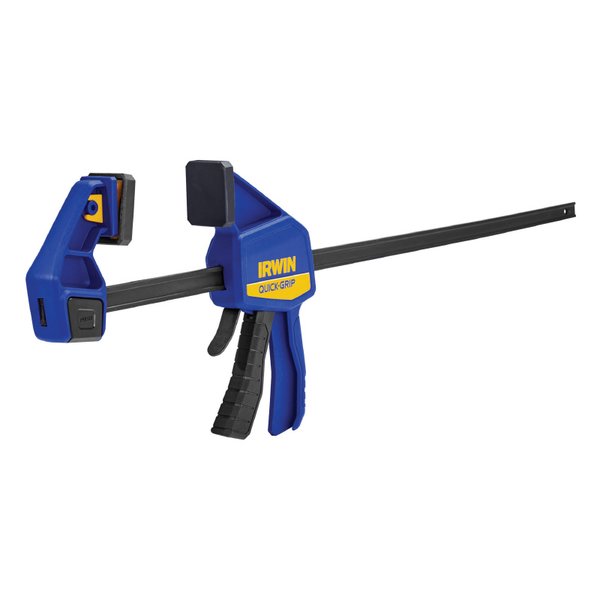
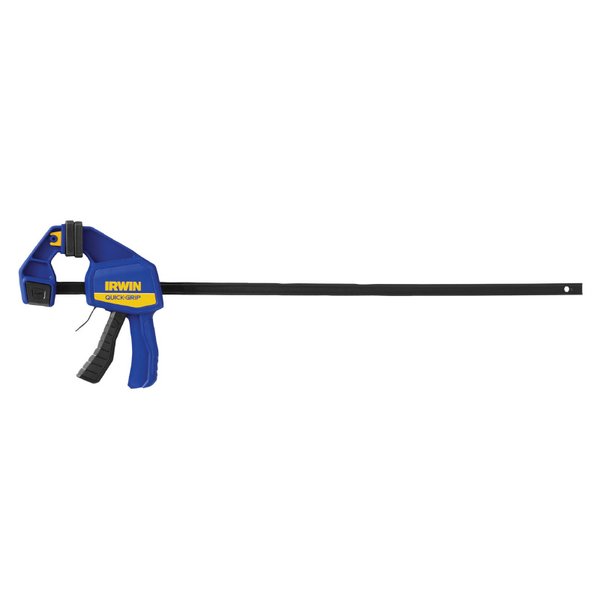
A clamp secures sheet metal components during processing. The IRWIN Quick-Grip MD 600mm is a distinctive one-action, one-hand tightening model. Its maximum opening of 600mm accommodates large components.
For temporary fixing before welding, securing workpieces during drilling, and holding work while paint dries, it comes into play many times every day on the sheet metal job site. The quick-release lever allows fast, one-hand release, picking up the work pace.
Having multiple clamps allows simultaneous securing of both ends of a large component, dramatically improving efficiency for solo work. IRWIN clamps are highly regarded worldwide as professional tools.
10. Morimitsu Bending Brake BKOR-5621
メナA bending brake is essential for edge bending of sheet metal. Trying to bend with only a hammer yields crooked results and leaves scratches everywhere.

| Manufacturer | Morimitsu (MORIMITSU) |
| Model | BKOR-5621 |
| Type | Bending brake (bench bender) |
| Width × Length | 150 mm × 600 mm |
| Compatible Thickness (mild steel) | 0.3–1.2 mm |
| Compatible Thickness (aluminum) | 0.3–1.5 mm |
| Applications | Sheet metal edge bending, duct and exterior sheet metal processing |
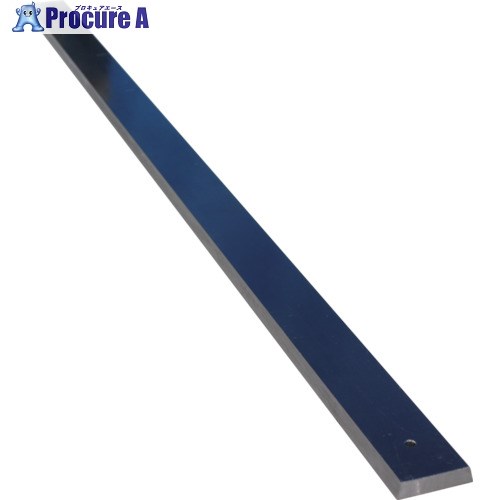
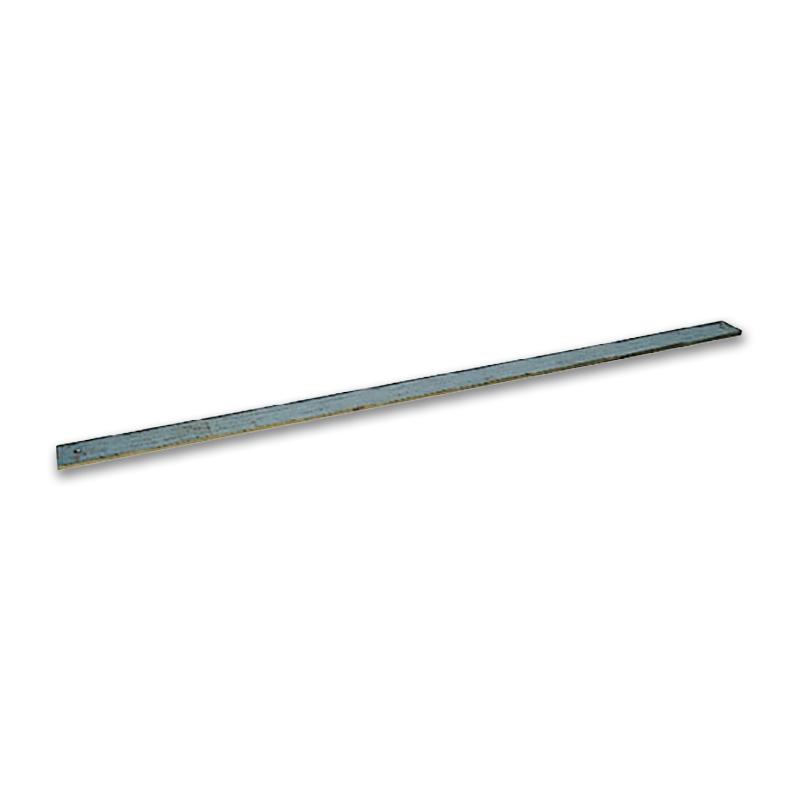
A bending brake is a bench-type tool for linearly bending (edge bending) thin steel sheets. Morimitsu’s BKOR-5621 is 150mm wide × 600mm long — the sheet material is clamped between upper and lower metal blades and bent by hammering. It handles mild steel 0.3–1.2mm and aluminum 0.3–1.5mm.
In job sites with a lot of straight bending for ducts, covers, and exterior sheet metal, whether you have a bending brake makes a big difference in work efficiency. Professional bending brakes produce uniform bend lines, improving finish quality as well.
Compared to a sheet metal press brake (electric/hydraulic), a bending brake is for small-scale, easy bending while a press brake is for larger sizes and continuous bending of thick sheet. Starting with a bending brake is the basic rule for beginners.
11. Makita Cordless Hammer Driver Drill HP333DZ
メナSheet metal work involves a lot of drilling into steel sheet. A cordless hammer drill works anywhere on the job site, and one unit handles nearly all drilling from steel sheet to concrete base materials.




| Manufacturer | Makita |
| Model | HP333DZ (body only) |
| Type | Cordless hammer driver drill |
| Voltage | 10.8 V |
| Max Chuck Diameter | 10 mm |
| Drilling Capacity (steel) | 10 mm |
| Functions | Hammer / Drill / Driver 3 modes |
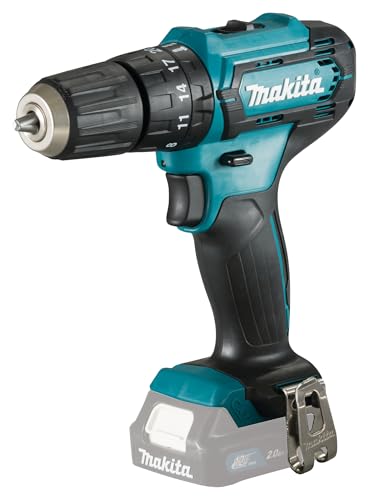
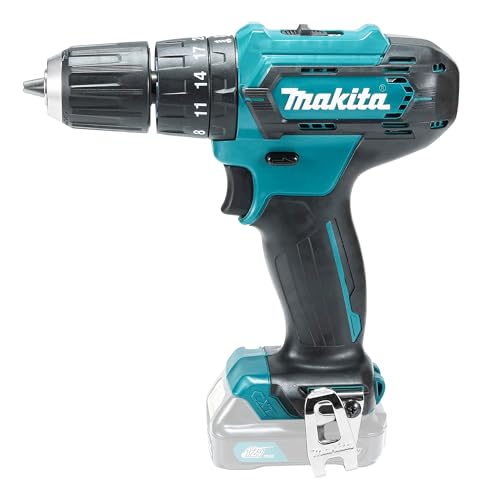
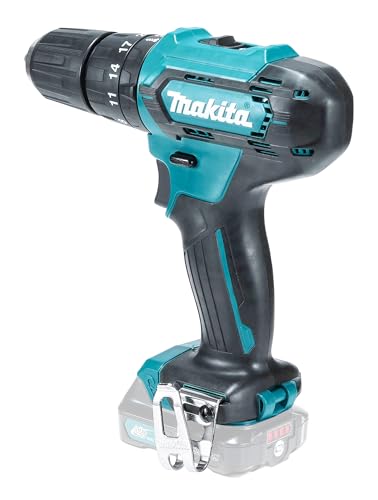
A cordless hammer driver drill is indispensable for sheet metal drilling work. Makita’s HP333DZ is a 10.8V model with a max 10mm chuck, supporting drilling into steel at 10mm, wood at 25mm, and concrete at 10mm. It performs hammer, drill, and driver functions in a single unit.
For drilling the steel sheet used in sheet metal work (up to 3–6mm thick), attach an HSS drill bit and process at low speed with a small amount of cutting oil for extended bit life and clean holes.
Being cordless, you can use it anywhere on the job site without a long power cord getting in the way. The 10.8V lithium-ion battery is lightweight, providing excellent maneuverability for overhead and confined space work.
12. Lobtex Air Riveter R2A1
メナUnlike a hand riveter, continuous riveting is dramatically easier with an air riveter. On job sites with high-volume riveting, your arm no longer gets tired — it’s a real lifesaver.





| Manufacturer | Lobtex (LOBTEX) |
| Model | R2A1 |
| Type | Air riveter (air gun type) |
| Compatible Rivet Diameter | 3.2 / 4.0 / 4.8 mm |
| Operating Air Pressure | 0.6 MPa |
| Included Nose Pieces | 3 sizes |
| Applications | Exterior sheet metal, switchboard assembly, roofing material joining |
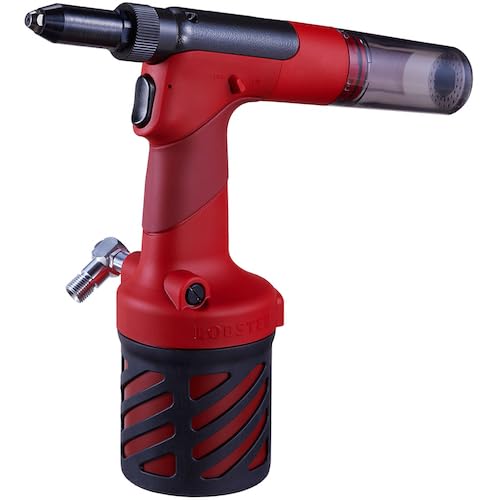
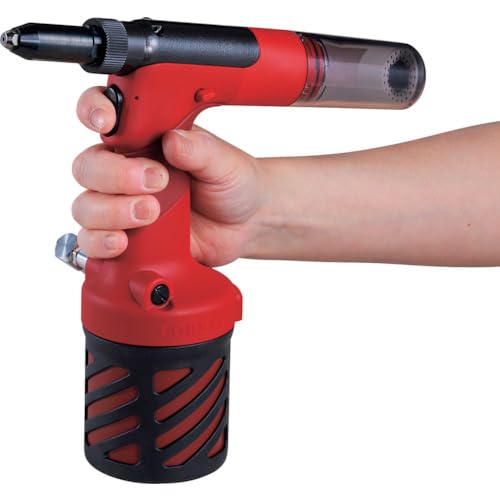
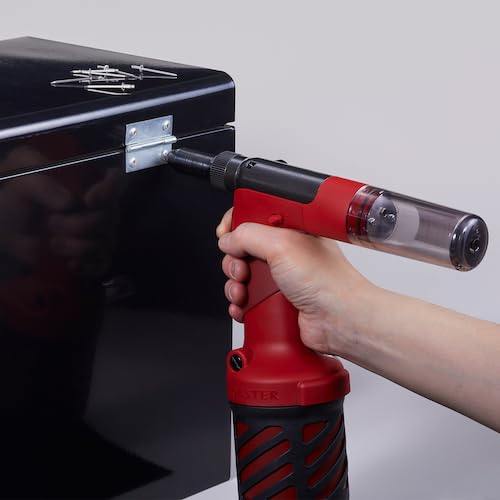
An air riveter (pneumatic rivet gun) drives rivets using compressed air from a compressor. Lobtex’s R2A1 handles 3.2–4.8mm rivets and operates at 0.6MPa. Each stroke is lighter than a hand riveter, greatly reducing hand and arm strain during continuous work.
In job sites with high-volume riveting — exterior sheet metal, roofing, gutters, and switchboard panel assembly — work speed increases by 2–3x. Multiple nose pieces are included for quick size-appropriate changes.
It requires operation with an air compressor, but job sites already using a compressor can introduce an air riveter with minimal additional investment. Lobtex is a long-established brand in rivet tools with deep trust among professionals.
How to Choose Sheet Metal Tools
Use Different Tools for Each Process
メナEquipping yourself with specialized tools for each of the cutting, forming, joining, and marking processes is the shortcut to maximizing sheet metal work quality and efficiency.
Sheet metal work broadly divides into 5 processes: ① Cutting (tin snips, grinder, nibbler), ② Forming & Bending (sheet metal hammer, bending brake, press brake), ③ Joining (riveter, welder), ④ Marking & Drilling (scriber, center punch, drill), and ⑤ Securing & Gripping (clamps, seam tongs). Equipping yourself with specialized tools suited to each process is the shortcut to improving work quality and efficiency.
Why You Should Choose Professional Brands
メナThe difference from budget products isn’t just price — it’s consumable availability and long-term durability. Professional brands last 10 years; budget products often end in 2–3 years.
Professional brands like Morimitsu, Lobtex, Makita, SK11, and IRWIN show a significant advantage over budget products in three areas: precision, durability, and consumable supply. In particular, good availability of consumables (replacement blades, nose pieces, bits) allows you to keep using the main tool for a long time.
Balancing Hand Tools and Power Tools
メナThe right order is to first learn basic hand tool techniques, then add power tools. Reversing the order leads to total dependence on tools and your skills don’t grow.
Sheet metal work beginners should start with hand tools like tin snips, seam tongs, a hammer, a center punch, and a scriber. Adding power tools (grinder, nibbler, cordless drill) when workload increases is the rational approach. Hand tool technique supports power tool precision.
Frequently Asked Questions About Sheet Metal Tools
Q. What tools should a beginner sheet metal worker start with?
メナWith just the first 4 tools (tin snips, hammer, center punch, scriber), you can handle almost all thin sheet processing during training. Not over-equipping at the entry level matters too.
A. Start with 4 tools: tin snips, a sheet metal hammer, a center punch, and a scriber. These alone cover the basics of cutting, marking, and forming thin sheet. A disc grinder and cordless drill are the next priority. A bending brake and clamps can be added once your work space is secured.
Q. Why is Morimitsu (MORIMITSU) popular with sheet metal workers?
メナWhen you use Morimitsu products you think, “Ah, so this is the real thing.” The blade sharpness and the feel of the seam tongs are clearly different from cheap products. Once you’ve used them, you can’t go back.
A. Morimitsu is a domestic brand that has long manufactured specialized tools for roofing and general sheet metal work. Their lineup of sheet metal-specific tools — tin snips, seam tongs, sheet metal hammers, and bending brakes — is extensive, and the design and quality tailored to professional job site needs has won wide support. Their supply of consumables and repair parts is also stable.
Q. What is the lifespan of tin snips?
メナProfessional tin snips can last a lifetime if resharpened. Budget products are treated as disposable once the edge is gone — long-term costs can reverse.
A. Professional tin snips like those from Morimitsu can be resharpened and, with proper maintenance, can last 5–10 years or more. When sharpness decreases, resharpen the blade or replace it for models with replaceable blades. Many budget products are designed as disposables, and long-term costs can reverse.
Q. Cordless or corded tools — which is better for sheet metal job sites?
メナUse each for its intended purpose. Continuous deburring: corded grinder. Drilling where you move freely: cordless drill. Ideally, have both.
A. Cordless offers higher job site flexibility, while corded delivers stable power for long work sessions. Disc grinders are predominantly corded (like Makita 9553B) due to continuous work, while drills increasingly go cordless for portability. Having both is ideal, but starting with a cordless drill and a corded grinder gives good cost performance.
See Also
- Complete Guide to Plumber’s Tools
- Top 10 BAHCO Recommended Tools
- Top 10 Lobtex Tools [Standard Rivet Tools for Field Workers]
- Complete Guide to Welder’s Field Tools [Top 11 Picks]
- Auto Mechanic’s Essential Tools: Top 10 Ratchets, Wrenches & Pliers
- Top 10 Maintenance Tools Used by HVAC Pros