
 Mena
Hi, I’m Mena (@menachite), a hybrid engineer who works with both mechanical and electrical systems. This time I’m comparing smartphone-attachable thermal cameras — useful if you’re chasing down a roof leak or checking an electrical panel for overheating.
Affiliate Disclosure: This article contains affiliate links. If you make a purchase through these links, we may earn a commission at no additional cost to you.
Unlike a spot infrared thermometer that gives you one temperature reading at a single point, a thermal camera visualizes the temperature distribution across an entire surface. Short version: pick the TOPDON TC001 if you want to try this on a budget, the HIKMICRO Mini2 series if you want a wide field of view and precision, or the FLIR ONE Edge Pro if you need wireless operation for professional use. Details below.
This roundup compares 4 models across price tier and connection type — HIKMICRO Mini2 Plus, FLIR ONE Edge Pro, TOPDON TC001, and Seek Thermal Compact-PRO. Looking at IR resolution, connection type (wired/wireless), and device compatibility will help you figure out which one fits your inspection needs.
One thing worth flagging: this is a different product category from a spot infrared thermometer (like a Fluke 62 MAX). A spot thermometer gives you a single numeric reading; a thermal camera visualizes the whole temperature distribution as an image. If you want to spot a hot connector in a whole panel at a glance, or see where a wall’s insulation is failing, the thermal camera is the better tool for that job.
Conclusion: Quick Picks by Use Case
Here’s the short version. Want to try this out without spending too much? TOPDON TC001. Want a wide field of view and serious precision for real inspection work? HIKMICRO Mini2 series. Need wireless operation for professional use? FLIR ONE Edge Pro. Want the highest resolution and use Android? Seek Thermal Compact-PRO.
| Product | IR Resolution | Connection / Compatibility | Best For |
|---|---|---|---|
| HIKMICRO Mini2 Plus | 256×192 (50° wide angle) | Android only (wired) | Wide-angle, high-precision serious inspection |
| FLIR ONE Edge Pro | 160×120 Native IR (480×360 Super Resolution) | Android/iOS (Bluetooth wireless) | Wireless operation for professional use |
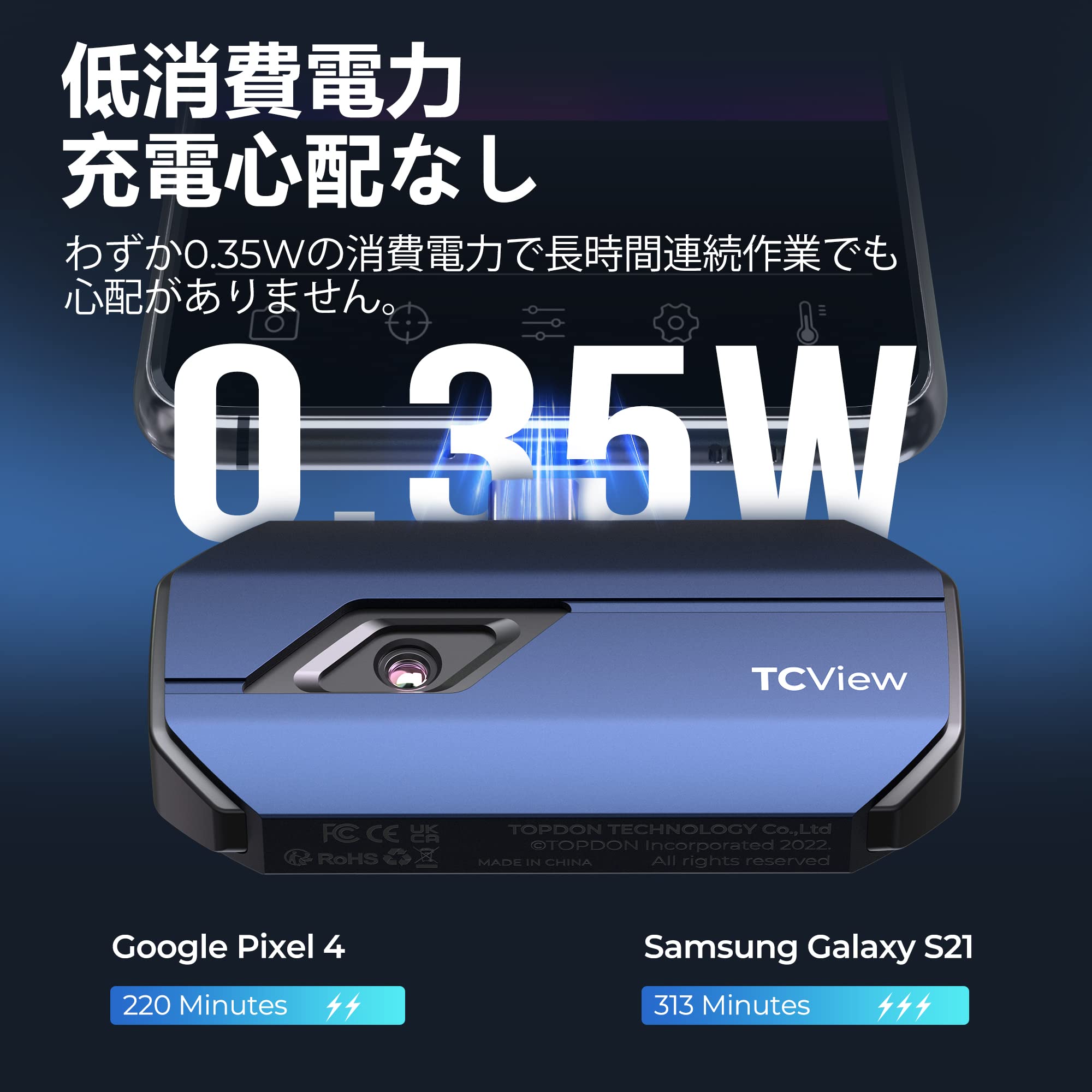
| TOPDON TC001 | 256×192 (512×384 with TISR) | Android only (wired) | Trying it out on a budget |
| Seek Thermal Compact-PRO | 320×240 (76,800 pixels) | Android only (USB-C wired) | Android users who want the highest resolution |
4 Smartphone Thermal Cameras Worth Considering
HIKMICRO Mini2 Series Thermal Camera (Smartphone-Attached)
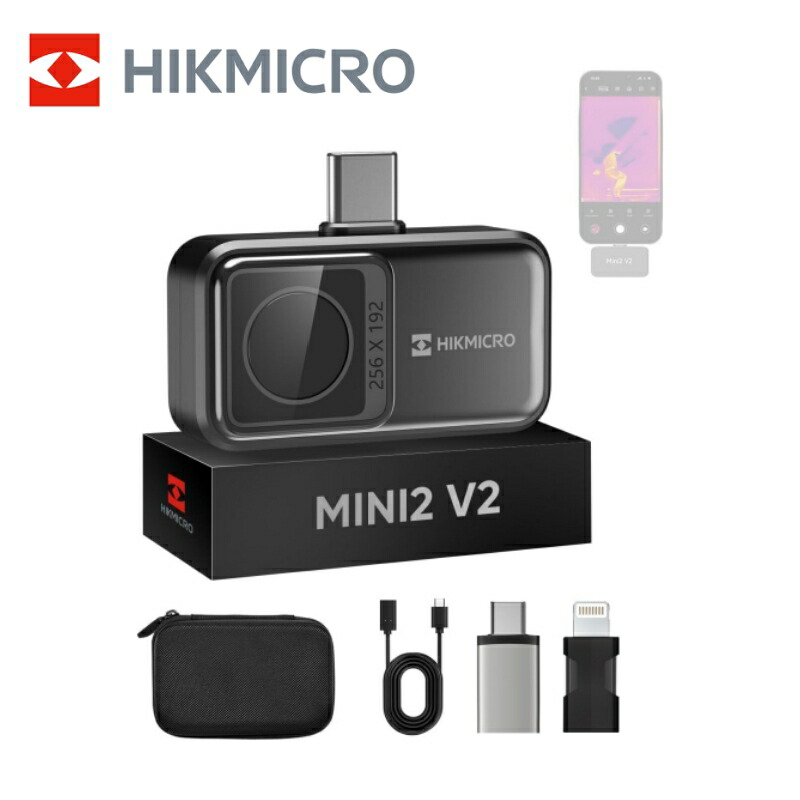
MenaAt just 24g (0.85oz) for the unit itself, it’s genuinely easy to slip into your pocket next to your phone and carry it to a job site without thinking about it.
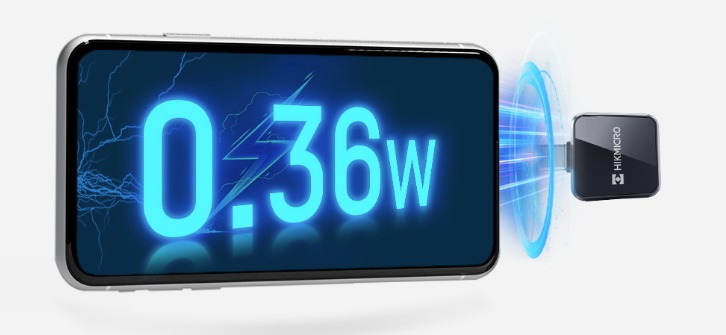
The HIKMICRO Mini2 series combines 256×192 IR resolution with SuperIR image enhancement in a phone-attached thermal camera. Its 50° wide-angle lens is well suited to covering a whole wall or an entire electrical panel in one shot for building and electrical inspection work. It draws power directly from your phone (no separate battery), so there’s no charge level to worry about on-site.
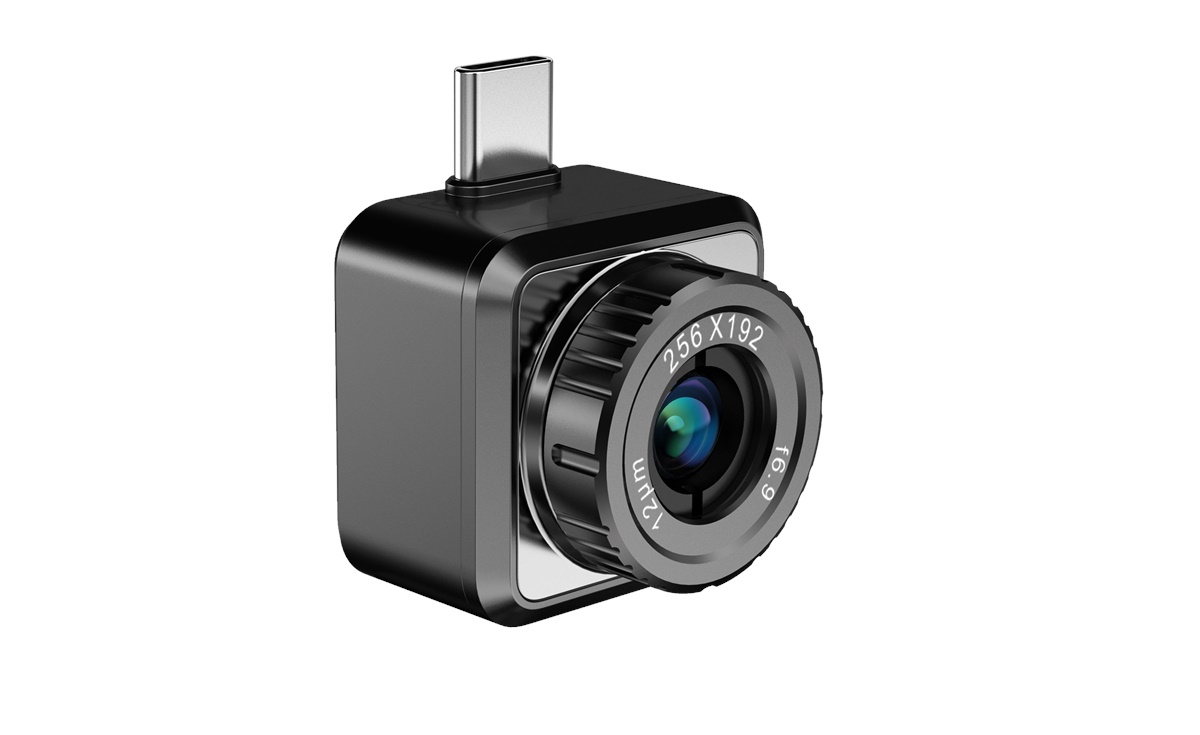
It sits at the higher end of the price range among these four. It’s Android only (USB-C) — HIKMICRO does sell an iOS-compatible V2 variant separately, but this specific model doesn’t support iPhone, so double-check compatibility before you buy.
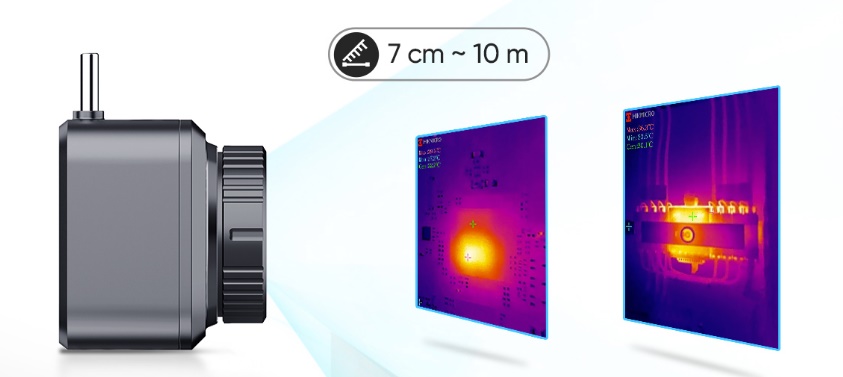
Even so, the accuracy (±2°C, detecting differences as small as 0.04°C) and the generous warranty coverage typical of this series are reassuring. A solid pick for anyone serious about pinpointing roof leaks or checking electrical equipment for overheating.
FLIR ONE Edge Pro Wireless Thermal Imaging Camera for Smartphones


 Mena
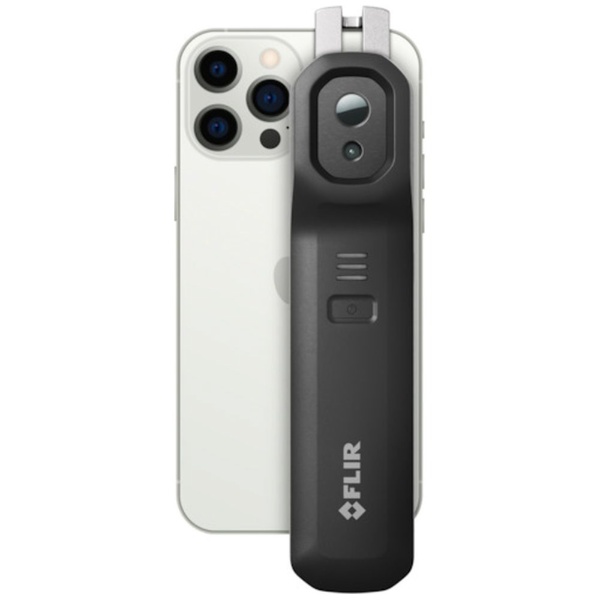
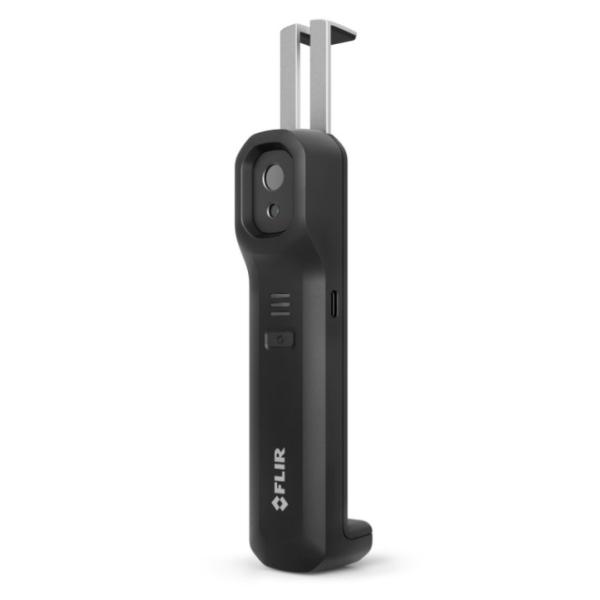
Since it connects over Bluetooth instead of a cable, you can tuck just the camera into a tight wiring space or up into a ceiling void and shoot from an angle your phone could never reach.
The FLIR ONE Edge Pro is a wireless thermal camera from FLIR, one of the longest-established names in thermal imaging. Its defining feature is Bluetooth wireless connectivity — unlike a cable-attached camera, you can position the camera unit itself somewhere out of reach or out of sight while shooting. The same unit works across both Android and iOS, which is practical if your team runs a mix of devices.
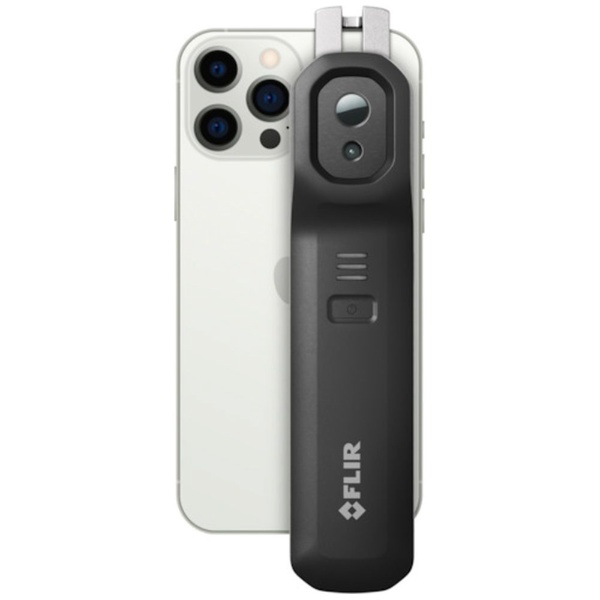
It’s by far the most expensive of the four here, which is a tough sell for casual DIY use. This is really built with professional inspectors, or job sites juggling multiple phones and tablets, in mind.
Still, FLIR’s brand reliability and cloud-based inspection data management pay for themselves if you run thermal inspections on an ongoing professional basis. Recommended if you’re looking at this as a serious business tool.
TOPDON TC001 Infrared Thermal Imaging Camera (Android, USB-C)
MenaIt measures from -20°C to 550°C and is the cheapest of the four, which is a pretty compelling combination if you want real usable performance without spending a lot.
The TOPDON TC001 is an Android-only, USB-C thermal camera that upscales its 256×192 IR resolution to an effective 512×384 using TISR image processing. Its -20°C to 550°C measurement range is the widest of the four here, covering everything from checking overheating electrical equipment to tracking down a leak. It also has the lowest price of the four, making it the easiest one to just try.
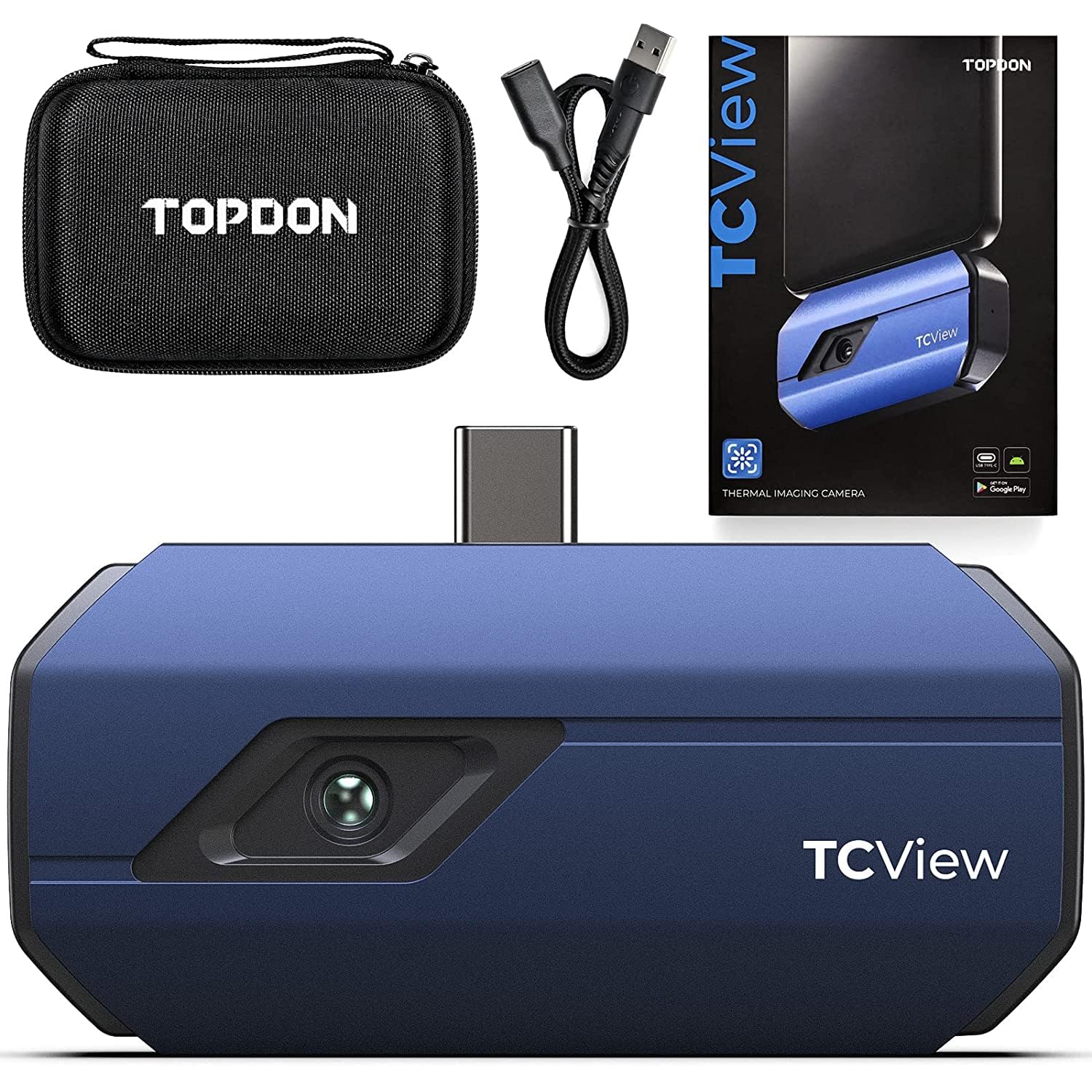
It doesn’t support iPhone — it’s Android (USB-C) only, so iPhone users should double-check compatibility before buying. TOPDON is also a less established name than HIKMICRO or FLIR, so support infrastructure trails behind those two bigger brands.
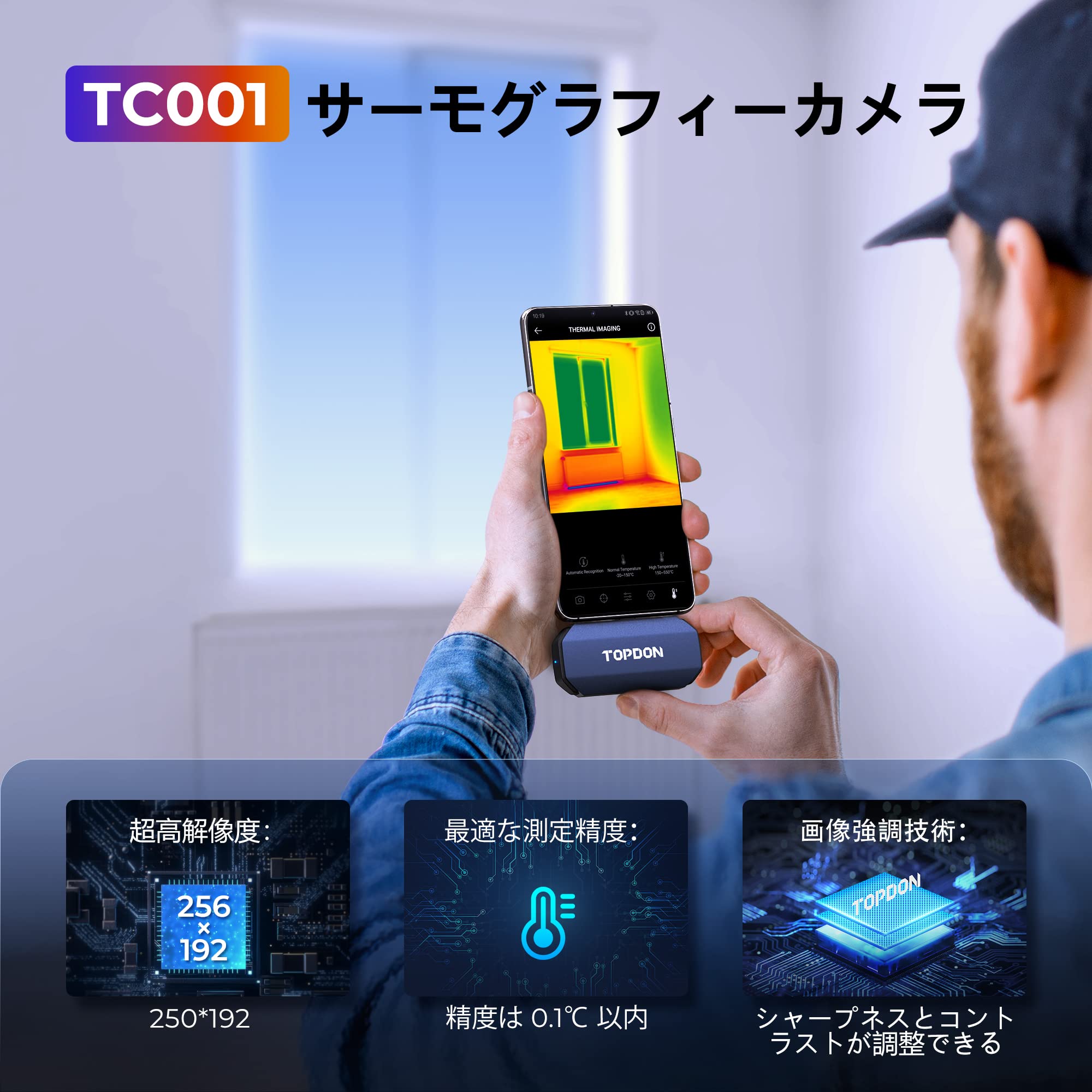
Even so, the combination of its wide -20°C to 550°C range and low price is genuinely appealing. A solid pick for Android users who want to try a thermal camera without spending much.
Seek Thermal Compact-PRO USB-C Thermal Camera (Android)
Mena320×240 resolution is genuinely a step above the rest of this class — you can visibly make out fine details, like exactly which wire in a bundle is running hot.
The Seek Thermal Compact-PRO is an Android USB-C model from Seek Thermal, a brand that has built smartphone thermal cameras since 2014. Its 320×240 (76,800 pixel) resolution is the highest of the four models covered here. With a -40°C to 330°C measurement range, it can clearly visualize fine details down to an overheating wire or insulation failure inside a wall.
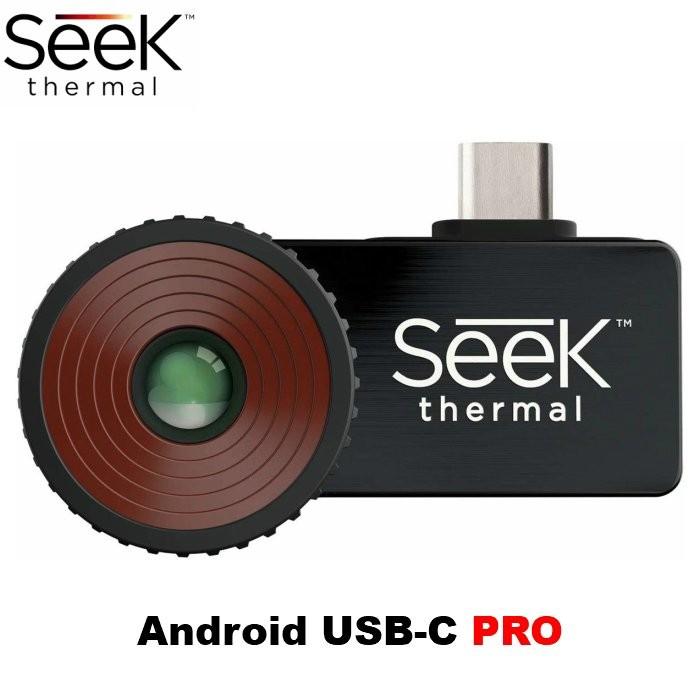
To be upfront, it’s Android (USB-C) only and doesn’t support iPhone — iPhone users should look at the FLIR ONE Edge Pro instead — it’s the only model here that supports iPhone. It also runs a bit pricier than the TOPDON TC001.
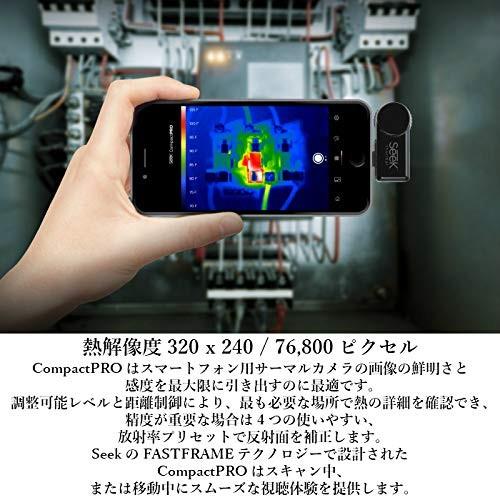
Still, it has the best resolution of the four, making it a solid pick for electrical and building-inspection professionals who need to nail down small temperature differences precisely.
Thermal Camera Basics and How to Choose
A thermal camera detects the infrared radiation an object emits and turns it into a temperature-distribution image. Where a spot infrared thermometer gives you a single numeric reading, a thermal camera color-codes the temperature differences across a whole surface, so you can spot an anomaly visually in an instant.
Choosing by IR Resolution
Higher IR resolution captures finer temperature differences as a sharper image. 256×192-class sensors are detailed enough for residential and electrical-equipment inspection work. Many models supplement their native resolution with image processing (TISR, SuperIR, etc.) — it’s worth checking the difference between native resolution and the enhanced display resolution before buying.
Choosing by Connection Type (Wired vs. Wireless)
A wired (USB-C/Lightning) camera plugs straight into your phone and is simple to use, but you can’t hold the camera away from your phone. A wireless (Bluetooth) camera lets you position just the camera unit in a tight space or an awkward angle, but it tends to cost more.
Tips for Getting Good Results
For a roof or wall leak inspection, shoot during a time of day with a bigger temperature differential — early morning or right after rain — to make anomalies easier to spot. I’ve personally shot in the middle of a hot afternoon before, seen almost no temperature contrast, and had to go back and reshoot at a different time of day.
For checking electrical equipment for overheating, keep a consistent distance and angle from the target while shooting. The displayed temperature can shift for the exact same hot spot if your distance changes, so for routine inspections, shooting from the same distance and angle each time makes it much easier to compare changes over time.
What to Check Before You Buy
Always confirm device compatibility (Android/iOS, USB-C/Lightning) before buying. Some models, like the TOPDON TC001, are Android-only and do not support iPhone — check your own phone’s compatibility on the manufacturer’s official compatibility list to be safe.
The displayed temperature can vary from the actual value depending on the emissivity of the object and the ambient temperature. If your professional work needs strict numeric accuracy, factor in regular calibration and the quality of manufacturer support when comparing models.
Useful Accessories for Thermal Cameras
Beyond the camera itself, a few accessories make these noticeably easier to use on the job.
Extension Cables and Adapters
When inspecting tight wiring spaces or hard-to-reach areas, an extension cable lets you get the camera closer to the target. The HIKMICRO Mini2 series ships with a 60cm extension cable in the box; other models may offer one as a separate accessory.
A Dedicated Carrying Case
Since the camera unit is precision equipment, it’s worth carrying it to job sites in a dedicated case. Protecting the lens from drops and dust helps keep its accuracy intact over the long run.
FAQ
Q. What’s the difference between a thermal camera and a spot infrared thermometer?
A. A spot thermometer measures the temperature of a single point as a number. A thermal camera visualizes the temperature distribution across a whole surface as an image, so it’s the better tool if you want to spot an anomaly across an entire wall or panel at a glance.
Q. Can I use these with an iPhone?
A. Only the FLIR ONE Edge Pro supports both Android and iOS in this lineup. The HIKMICRO Mini2 Plus, TOPDON TC001, and Seek Thermal Compact-PRO are all Android (USB-C) only and do not support iPhone. Always confirm compatibility before buying.
Q. How accurate are these, really?
A. Each product has a stated accuracy spec (such as ±2°C), but actual readings are affected by the target’s emissivity and the surrounding temperature. That’s plenty practical for spotting anomalies and tracking trends, but for work requiring strict numeric accuracy, consider pairing one with calibrated professional-grade equipment.
MenaBeing able to see temperature as a full picture instead of a single number makes it much easier to catch problems you’d otherwise miss by eye alone. Pick based on what you’ll actually be inspecting.
Conclusion
We compared 4 smartphone thermal cameras across IR resolution, connection type, and price tier. Want to try it on a budget? TOPDON TC001. Want a wide field of view with serious precision? HIKMICRO Mini2 series. Need wireless operation for professional use? FLIR ONE Edge Pro.
Confirming device compatibility (Android/iOS) ahead of time is the safest way to avoid a mismatch. Pick based on what you’re actually inspecting (a building or electrical equipment) and your budget.