Affiliate Disclosure: This article contains affiliate links. If you make a purchase through these links, we may earn a commission at no additional cost to you.
 メナ
メナHi, I’m Mena (@menachite), a hybrid engineer who handles both mechanical and electrical work.
Because of my profession, I wear safety shoes. I’ve worn through or retired more than 7 pairs. I’m still searching for safety shoes that can last a long time.
So today I want to talk in depth about safety shoes.
It’s a genre people don’t talk about much, but there’s a lot to say.
Essential Requirements for Safety Shoes
My standards for safety shoes are strict. My minimum requirements are:
- Oil-resistant
- Electrically resistant
- Waterproof
- Steel toe cap
- Full leather
- Ankle coverage
- Easy on/off
These 7 points are non-negotiable.
Japan’s Workman stores have expanded their selection recently, but safety shoes that meet all of these requirements are surprisingly hard to find.
Why am I this particular? Because I work in a factory, and my work involves crawling into tight spaces, moving heavy iron parts with cranes, operating equipment weighing over a ton, doing machining work with sparks flying, and running electrical cables — a wide variety of physically demanding tasks.
Not many safety shoes can keep up with that kind of work. The cheap safety shoes sold at Workman tend to fail somewhere within six months. For example, without leather, sparks will burn holes through them; shoes without ankle coverage get filled with metal shavings; work in the rain soaks them through; and oil-slick floors mean you’ll slip and fall.
Safety shoes really are critically important.
My Safety Shoe History
Generation 1: Workman Safety Shoes
I started with the cheap shoes sold at Workman.
They actually have surprisingly varied designs — stylish and cool.
And Workman shoes are cheap! You can get a pair for ¥2,000–¥3,000.

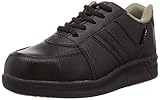


But since none of them lasted more than six months, I felt like I was penny-wise and pound-foolish, so I stopped buying them.
Next I bought shoes from an established manufacturer.
Generation 2: Established Manufacturer Safety Shoes
Products from companies like Simon and Midori Anzen that have been making safety shoes for many years.


The price range is around ¥5,000–¥6,000, which is reasonable.
The comfort is excellent, as you’d expect from an established brand — solid and comfortable.
But around the one-year mark, one foot started hurting so badly I couldn’t walk.
The cause was deformation of the shank (the footbed).
I had a habit of kneeling on my left knee, which deformed only the left foot’s shank and put abnormal stress on my foot.
These established manufacturers’ shoes also tend to develop some kind of problem around the one-to-two-year mark.
Also, since so many people wear the same brand, I had the bizarre experience of someone accidentally taking mine — so I stopped wearing them.
Generation 3: Engineer Boots
Next I bought safety shoes with a strong shank — Chippewa engineer boots.


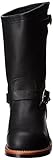

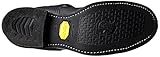


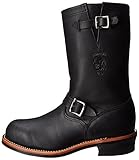
These are the safety boots I used until just recently.
They’re the kind known as engineer boots — the type originally worn by railroad engineers.
I had a modified pair of Chippewa engineer boots that were easy to put on and take off.
They use Horween’s Chrome Excel leather, which has extraordinarily high durability, and the shank also uses wood — I figured they’d hold up well without deforming.
The significant weight was the downside, but once I got used to them they became a trusted companion, and I wore them for about 2 years.
Then one day, the strap tore off and was beyond repair.
Here’s what they looked like after two years.

In the end, a structural failure meant I had to retire them.
It reinforced my belief that lace-up shoes are ultimately the strongest for repairability and replaceability (lol).
Well, the safety shoes I’m currently wearing are American-made.
The Best Safety Shoes I’ve Found So Far


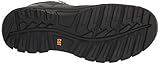
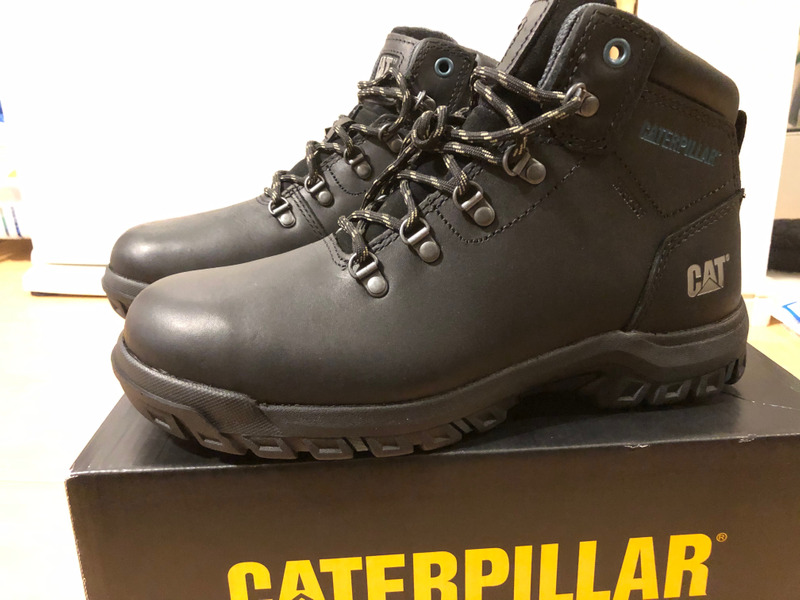
Safety shoes made by Caterpillar — the heavy machinery manufacturer.
The price, with shipping and customs, comes to around ¥20,000. Expensive.
But this means they’re safe even if run over by a bucket wheel excavator!

Since they’re a manufacturer known for their soles too, this is a fantastic pair of safety shoes that meets all my requirements.
However, the laces going up to the ankle are tough to put on and take off, so I add one small modification. I swap them for Caterpillan laces.


Caterpillan laces use rubber stretch to always create the perfect fit, making them easy to take on and off.

Man, they look incredibly cool. These could even work as everyday shoes too. How many years will these safety shoes last?
I’ll keep checking in on that!
Recommended Japanese Safety Shoes
Recently, fresh wind has been blowing through the safety shoe industry.
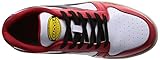
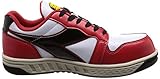
With the entry of Asics and Puma, stylish, comfortable, and lightweight safety shoes are appearing all over the market.
The price range is around ¥10,000 — a fairly bold positioning.
Let me introduce some stylish picks by manufacturer.
Asics
Wire-Lock Winjob


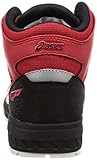


Velcro Winjob


Mizuno
Wire-Lock Almighty

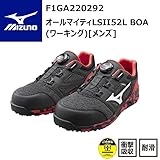


Velcro Almighty


Recommended Foreign-Brand Safety Shoes
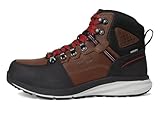
America has long handled heavy industries like steel and automotive, and engineer boots and work boots from there have become popular as fashion items in Japan too.
Red Wing and Timberland boots are still popular. But few people know that the shoes these major brands sell in Japan differ from those sold in America.
Can you guess what the difference is?
The perceptive among you may have figured it out. The truth is, neither Red Wing nor Timberland sells safety shoes in Japan. In the US domestic market, both brands properly offer safety shoe versions.
This is because leather shoes are subject to import tariffs, meaning there isn’t enough profit margin to make Japan a worthwhile target market. However, if American safety shoes were sold in Japan, their quality would be so high they’d wipe out Japanese-made safety shoes.
Americans have low risk awareness. That is, they get injured a lot — and they sue a lot. The result? Company executives end up saying: make something so good these people absolutely cannot get hurt!
It’s no exaggeration to say this is what creates the difference between Japanese and American industrial products — lol.
This is also why safety standards for footwear in America are actually stricter than in Japan.