
Affiliate Disclosure: This article contains affiliate links. If you make a purchase through these links, we may earn a commission at no additional cost to you.
As someone (Mena) who has used power tools on job sites for years, I’ve come to realize one hard truth: “the time you invest in maintenance can more than double the life of your tools.” This 2026 guide covers the maintenance methods I use to keep daily workhorses — impact drivers, circular saws, grinders — running long, plus the 10 maintenance products I actually use on the job.
Power tool failures come without warning. To avoid the “it was working just yesterday” situation, regular cleaning, lubrication, and consumable replacement are essential. What might cost ¥10,000–20,000 in repairs can often be resolved with a few hundred yen in consumables if you handle maintenance yourself.
 メナ
メナMost power tool problems can be prevented with regular maintenance. Simply making dust removal, lubrication, and consumable replacement a habit will dramatically extend your tool life.
Main Causes of Power Tool Failure
1. Overheating from Dust and Swarf
When dust and metal swarf clog the ventilation slots of a power tool, the motor’s cooling efficiency drops sharply. Thermal degradation of coil windings and burnout caused by rising temperatures are among the most common power tool failure modes. Making it a habit to blow out the vents with an air duster after woodworking or metal cutting makes a huge difference in tool longevity.
2. Carbon Brush Wear
Power tools with brushed motors require periodic carbon brush replacement. Once brushes wear past their limit, sparking increases, the commutator gets damaged, and you’ll ultimately need a motor replacement. The rule of thumb: replace immediately when less than 5mm of brush material remains.
3. Oxidized Contacts and Switches
The internal contacts of trigger switches and speed controllers develop an oxide film over time, increasing contact resistance. Symptoms like “sluggish switch response” or “uneven rotation” can often be resolved with a shot of contact cleaner.
4. Gear and Bearing Wear from Insufficient Lubrication
Lubricating grease inside gearboxes and bearings degrades and migrates away over time. Dry gears accelerate noise and wear rapidly — treat any change in operating sound (squealing, increased vibration) as an immediate signal to add grease.
Before you commit to a full teardown, a cheap endoscope camera lets you peek inside the gearbox housing and check gear wear or grease condition without pulling the tool apart.
3-Step DIY Maintenance
Step 1: Clean (Remove Dust and Swarf)
After every use, blow out the vents and all surfaces with an air duster. Wipe down exterior panels and base plates with a rag and parts cleaner to remove oil and grime. Cleaning is the prerequisite for lubrication.
Step 2: Lubricate (Apply Lubricant to Moving Parts)
After cleaning, apply the appropriate lubricant to metal contact points — guide rails, adjustment mechanisms, threads, and hinges. Use dry fast lube in swarf-heavy environments, and grease spray for gears and bearings.
Step 3: Replace Consumables (Carbon Brushes, Filters, etc.)
Replace carbon brushes before they hit the wear limit. Clean or replace dust filters and exhaust filters when clogged. Managing consumables determines the lifespan of the tool itself.
10 Must-Have Power Tool Maintenance Products
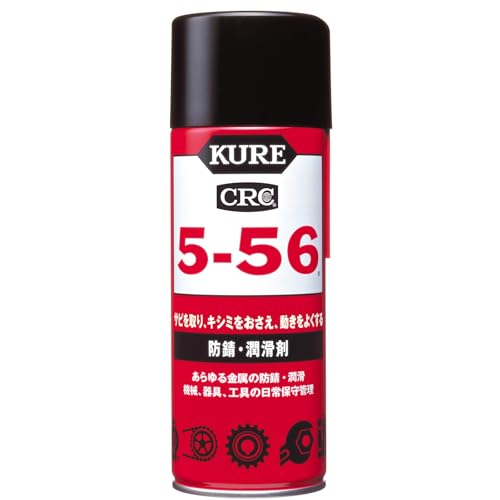
KURE 5-56 Multi-Use Rust Inhibitor & Lubricant 430ml


 メナ
メナKURE 5-56 is indispensable for power tool maintenance. It instantly fixes minor rust and sluggish movement, so I always keep a can on the job site. Spray it on, wipe it off, and you can feel the difference immediately.
The definitive rust inhibitor and lubricant for power tool maintenance. KURE 5-56 has over half a century of proven results as a multi-purpose rust inhibitor and lubricant, and has been a long-selling staple from factories to homes. It can be used on virtually all moving parts of power tools — impact driver and drill chucks, circular saw guide slots, hinges, and adjustment screws.
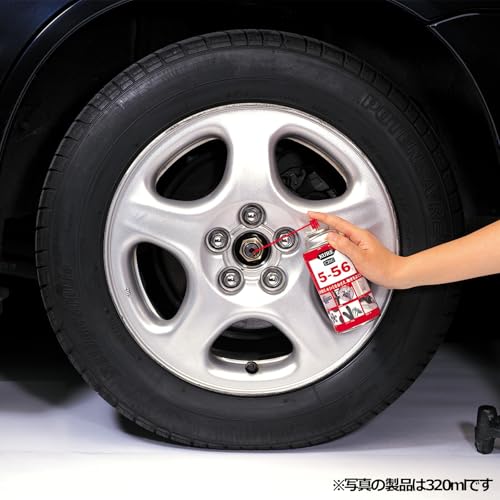
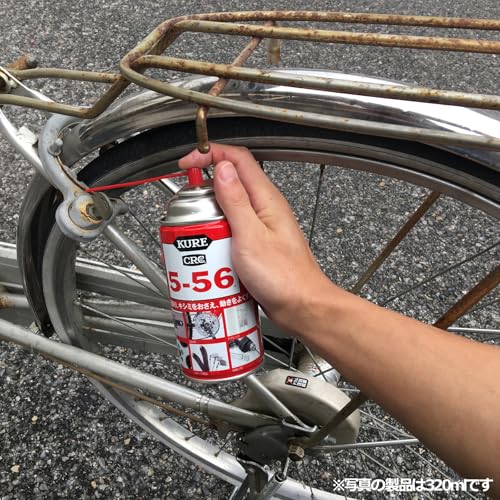
To use: spray on, wait a few minutes, then wipe off excess oil. Beyond rust prevention, it loosens seized screws, reduces metal friction, and displaces moisture to promote drying. Its high penetrating power reaches narrow gaps and complex-shaped components easily.
Caution: prolonged contact with rubber or plastic can degrade the material, so avoid direct spraying on tool grips or cable insulation. For moving parts, use grease spray or dedicated long-term lubricants instead — the pro approach is to use 5-56 strictly for “rust removal and initial lubrication.”
AZ Handy Grease Spray 300ml
 メナ
メナGrease spray is ideal for topping up gears and bearings. AZ Handy Grease stays put after the carrier evaporates, so it won’t run off vertical surfaces. It’s my go-to for around the gearbox on power tools.
A grease spray suited for long-term lubrication of internal gears and bearings in power tools. AZ Handy Grease Spray 710 is designed so that after spraying, the carrier solvent evaporates and only the grease component remains — forming a stable lubricating film in areas where thin lubricants like 5-56 would run off. Effective on circular saw gearboxes, hammer drill piston mechanisms, and chainsaw guide bar rails.
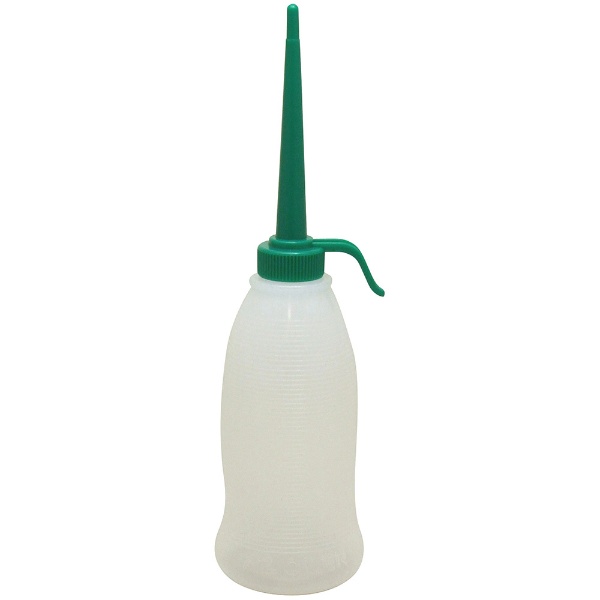
To use: apply small amounts to the target area with the nozzle, then work the moving parts several times to let it seat. The residual grease after spraying is resistant to running, so it stays on components near the motor even at high temperatures for a relatively long time. The AZ brand has a strong industrial reputation and offers excellent cost-performance.
Caution: over-applying grease spray can actually attract dust and swarf, so stick to the right amount. If the tool manufacturer specifies OEM grease, use that first — treat this spray as a supplemental option.
Engineer Neji Saurus Liquid ZC-29


 メナ
メナAnyone who’s tried to disassemble an old power tool knows the frustration of screws that won’t budge. One spray of ZC-29 and a 5-minute wait, and screws you’d given up on suddenly turn freely. It’s a repair shop essential.
The biggest challenge in power tool maintenance is “a seized screw that won’t come out.” Engineer’s Neji Saurus Liquid ZC-29 is a foam-type penetrating fluid that you apply around rust- or corrosion-seized screws to chemically break the bond and restore the ability to insert a driver. The 250ml large capacity is ideal for those who do frequent repair and disassembly work.
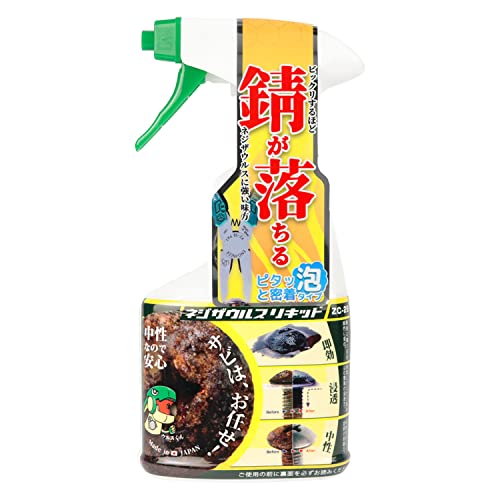
To use: spray around the seized screw, let it penetrate for 5–15 minutes, then loosen with a screwdriver. Multiple applications work better on stubborn cases. It shines at clearing the first hurdle in disassembly — the screws on outer panels, long-untouched carbon brush covers, and similar.
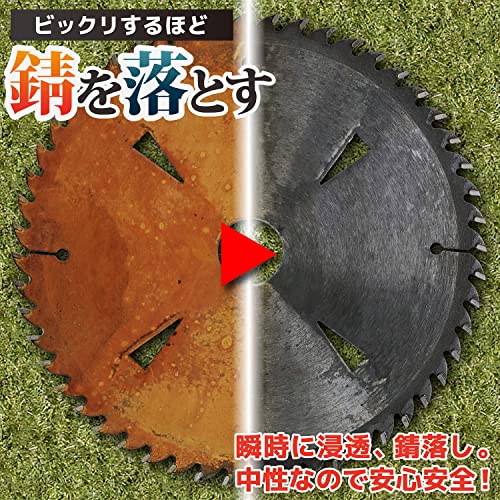
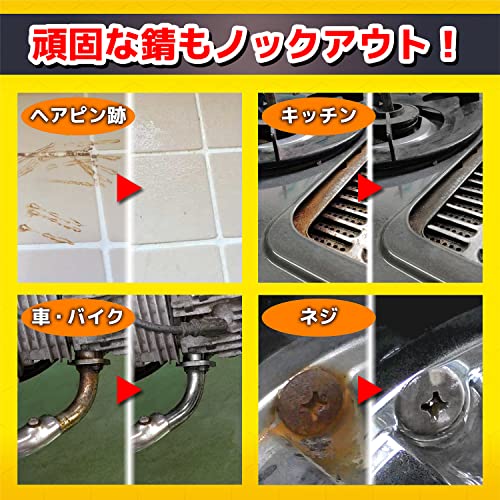
Caution: after application the area is wet, so exercise care near electrical components. The neutral formula minimizes damage to non-metal materials (plastic, rubber), but wipe thoroughly with a rag after use. This is a specialized screw-removal product with far superior penetrating and seizure-releasing power compared to general lubricants.
SK11 Carbon Brush for Makita CB-75 (2-Pack) CM-8


 メナ
メナ“Weakening rotation” and “increased sparking” from a power tool are signs that carbon brushes need replacing. SK11’s compatible brushes are affordable and consistently good quality. Once you can replace them yourself, your tools will last dramatically longer.
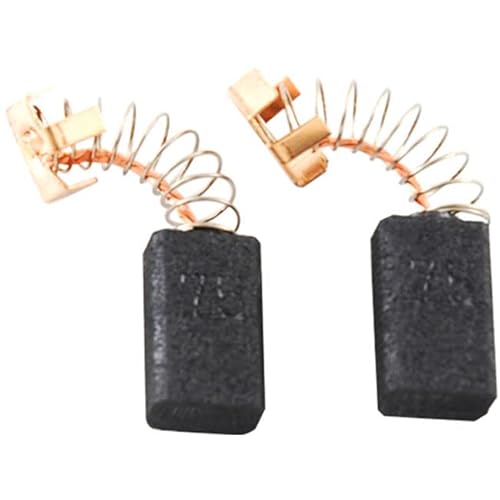
The carbon brushes used inside power tool motors are consumables. SK11’s Carbon Brush CM-8 is compatible with Makita’s CB-75 and fits a wide range of Makita power tools (grinders, drills, circular saws, and more). This 2-piece replacement brush set, swapped out when brushes hit the wear limit, keeps tool performance up and lets the main body run for years.
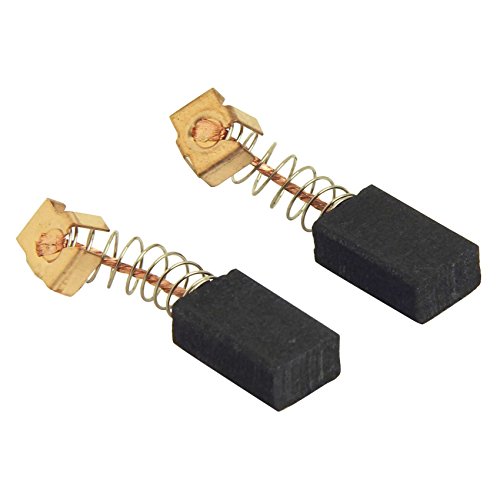
The replacement indicator: when brush material drops below 5mm, or when you notice increased motor sparks, uneven rotation, or reduced output. The swap itself is simple — remove the brush cover with a screwdriver, pull out the old brush, insert the new one. Even a first-timer can finish in about 10 minutes.
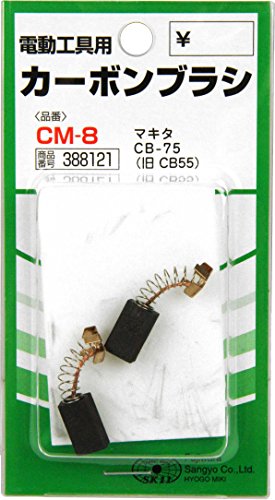
Caution: compatible brushes may differ slightly from OEM in size or material. Confirm the size before installation and make sure it seats correctly. SK11 also offers compatible brush series for other brands (Hitachi, Ryobi, Bosch) — match the brand and model number of your tool when selecting.
AZ Non-Freon Air Duster 350ml
 メナ
メナWood chips and metal dust packed inside power tools cause failures. Blowing them out regularly with an air duster improves airflow and extends motor life. I’ve made it a post-work habit.
Dust, swarf, and wood chips that accumulate around power tool vents and motor areas can cause overheating failures if left unchecked. AZ Non-Freon Air Duster 350ml is an eco-friendly dust blower free of fluorocarbons that blasts high-pressure compressed air to remove debris from tight spaces — no air compressor needed.
If your kit does call for a full air compressor — running nailers or other pneumatic tools, not just dusting — our job-site air compressor comparison breaks down pressure, tank size, and portability across a few models worth considering.
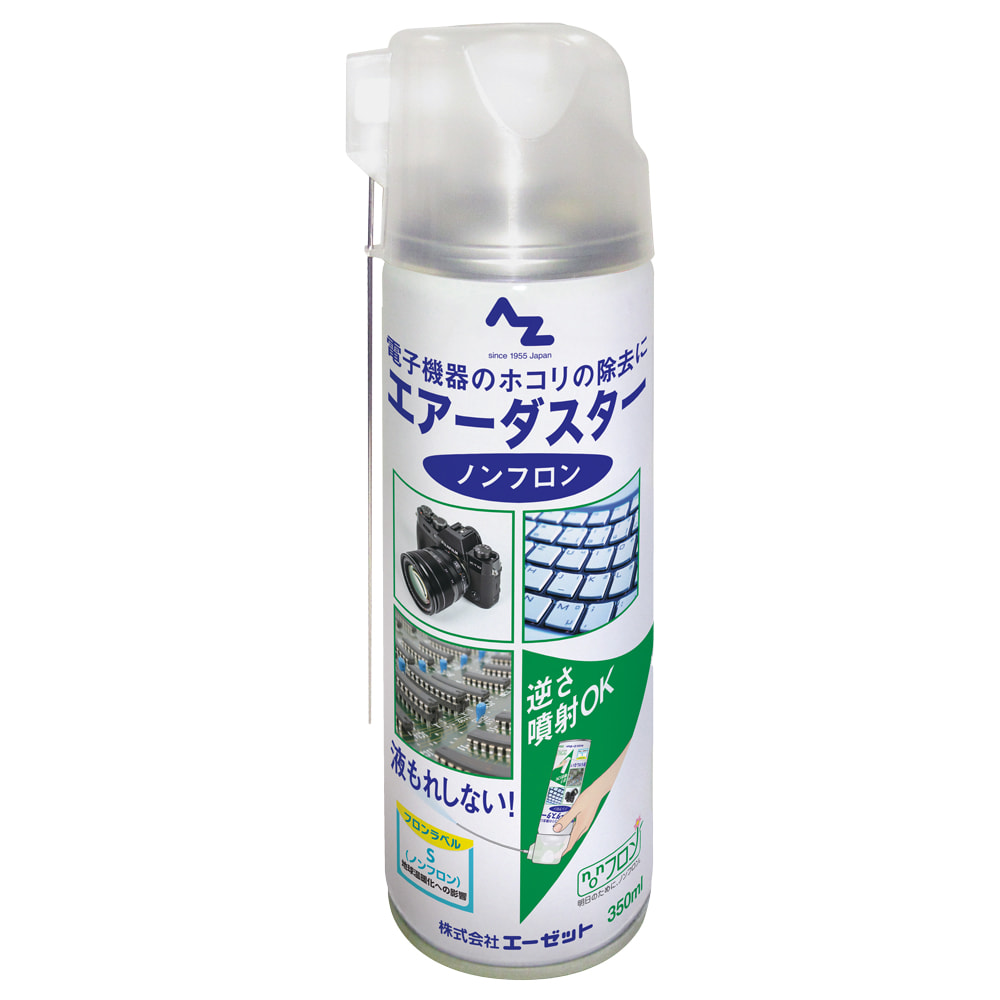
To use: insert the nozzle toward the vent slots and fan area of the tool and blast in short bursts. If the can supports upside-down use, you can access the underside and tight gaps of tools standing upright. Spending just 5 seconds per tool after a job prevents buildup — it’s one of the easiest daily maintenance habits.
Caution: an air duster “blows away” internal debris — it just moves it somewhere else. When used indoors, open a window or take the tool outside first. Also, tilting the can too far causes liquefied gas to spray out, so keep it as upright as possible during use.
HOZAN Brush (Rust Removal / Tool Cleaning) K-109-63
 メナ
メナSmall brushes are surprisingly useful for removing rust from fine parts and cleaning screw holes and vents. HOZAN’s high-quality brushes have firm bristles that don’t deform under pressure — a lifesaver for precision cleaning work.
Specialized brushes are essential for precision power tool cleaning. HOZAN’s K-109-63 is a 2.35mm shank brush designed for use with rotary tools for rust removal, paint stripping, and surface prep. Mounted in a rotary tool with a 1/8-inch collet, it efficiently removes rust and cleans fine details that are impossible to reach by hand.

It can also be used as a hand-held brush for removing dust from exhaust slots, vents, and gear cover inner walls. The metal bristle brush cleans up lightly rusted surfaces with just a few strokes, and the subsequent application of rust inhibitor becomes more effective. HOZAN is a brand with a long-established reputation in electrical work and electronics, and their tool quality is consistent.
Caution: when used in a rotary tool, stay within the specified maximum RPM. Exceeding it risks bristle ejection. After rust removal, always apply rust inhibitor (such as 5-56) to prevent re-oxidation and extend the effect of the cleaning. Adjust your pressure carefully around precision components.
VESSEL Precision Screwdriver Set TD-56


 メナ
メナPrecision screwdrivers are essential for disassembling power tools. VESSEL’s TD-56 is a compact set that covers all the sizes you need, and I rely on it every time for carbon brush swaps and internal cleaning. The grip feel is distinctly Japanese quality.
Precision screwdrivers are a must for power tool maintenance and repair. VESSEL’s TD-56 is a 4-piece precision screwdriver set (2 Phillips, 2 flathead) that handles the fine screws found on outer panels, brush covers, and control board mounting screws — places where a standard driver is simply too large.
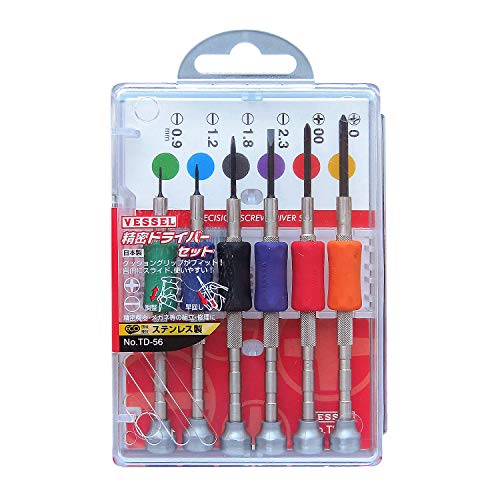
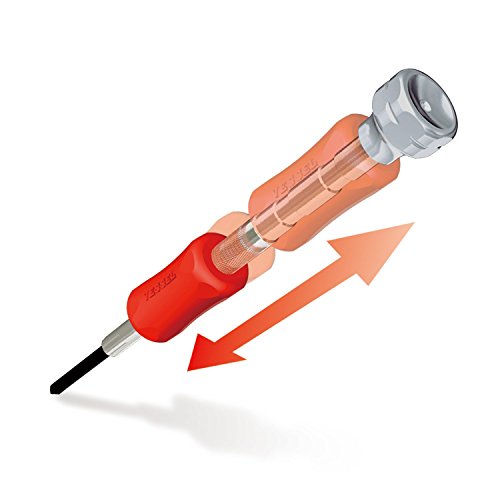
VESSEL is a veteran Osaka screwdriver specialist known for excellent grip ergonomics and tip precision. The TD-56 features a slightly larger grip diameter, making it easy to apply the necessary torque even in delicate work. Readily available at hardware stores and Amazon — a great addition to any power tool user’s maintenance kit.
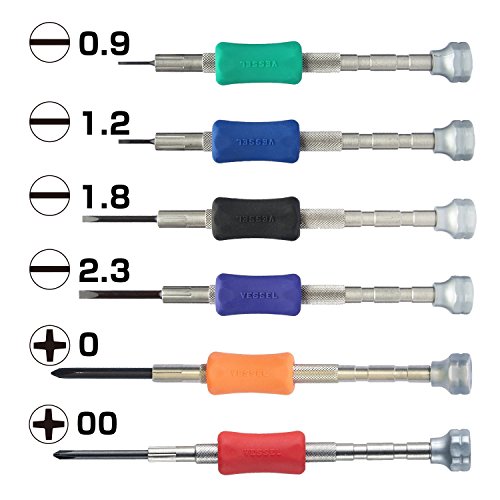
Caution: using the wrong size driver strips screw heads. Always verify that the driver tip matches the screw head size before use. Precision screwdrivers are not designed for high-torque tightening — use a regular-size driver for final fastening.
KURE Contact Spray Electrical Contact Cleaner 300ml


 メナ
メナContact spray works wonders on switch contact problems and connector degradation from repeated plug cycles. A few sprays and switch operations often improve performance immediately — it’s worth trying before you move on to repairs.
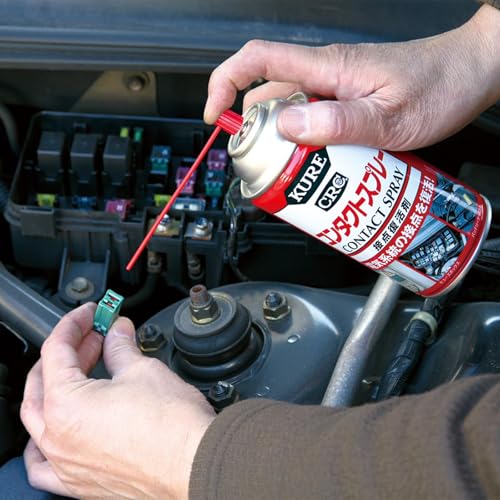
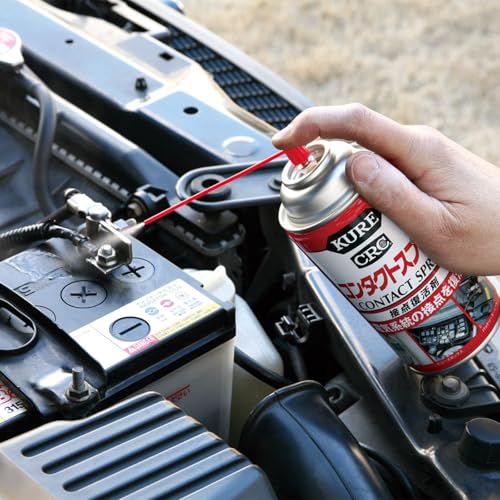
KURE Contact Spray 1047 is the go-to for power tool contact failures like “sluggish switch response,” “unstable speed control,” or “loose cord connection.” It removes grime and oxide film from contacts and reduces contact resistance to restore electrical connection. Applicable to switch contacts, controller connectors, and AC cord sockets across a wide range of power tools.
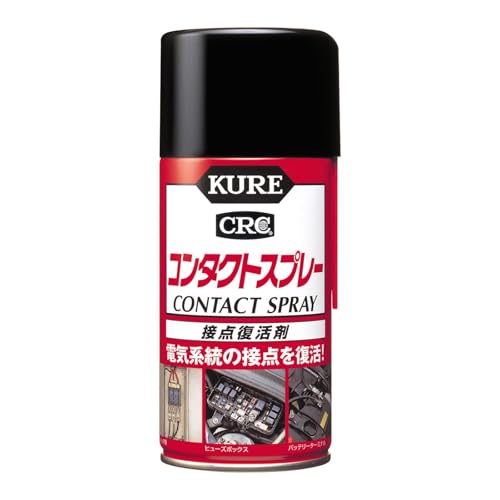
To use: spray a small amount toward the contact with the nozzle, then operate the switch or connection a few times to work it in. Repeat 2–3 times if there’s no improvement on the first try. KURE’s reliability is proven in both industrial and consumer applications, and they hold the top domestic market share in contact cleaners.
Caution: contact spray is not a complete repair solution and has no effect on physical contact damage (melted or missing contacts). If switch response doesn’t improve after a few tries, the switch component itself needs replacement. Also, avoid heavy application on plastic parts and use only the minimum amount needed.
3M Scotch-Brite Industrial Hand Pad 7447
 メナ
メナThis hand pad is perfect for removing light rust from metal power tool surfaces and prepping for lubrication. The 7447 has just the right abrasiveness — it takes off surface grime and oxidation without removing base material.
Non-woven abrasive pads are ideal for manually removing light rust and grime from metal power tool bodies, guide components, and adjustment mechanisms. The 3M Scotch-Brite Industrial Hand Pad 7447 is an industrial-grade red (fine grit) pad that physically removes surface oxidation, light rust, and burn marks. Unlike sandpaper, it conforms to curved surfaces, giving tight contact even on complex-shaped tool parts.
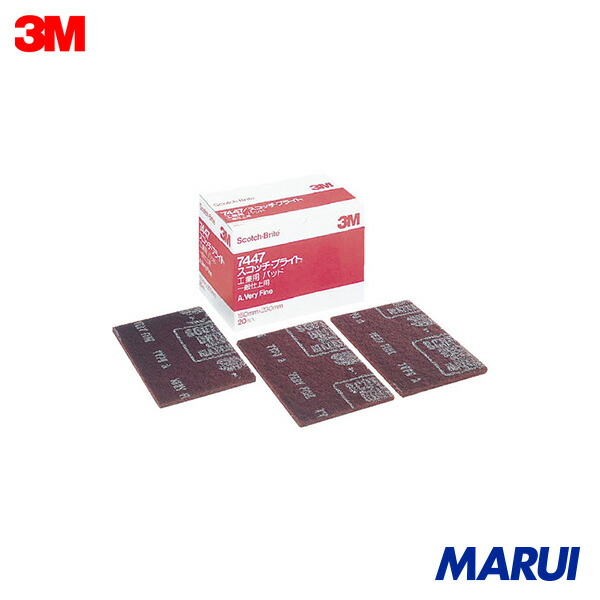
To use: scrub the area dry or slightly dampened with parts cleaner. Works on circular saw base plates, electric planer bases, drill chuck exteriors, and angle grinder flanges — flat and curved surfaces alike. After polishing, apply a thin coat of rust inhibitor to prevent re-rusting.
Caution: the 7447 (fine) is for “light rust, grime removal, and finishing.” For deep rust or paint removal, the coarser 7448 or finer 7446 is more appropriate. These are disposable — replace when worn, and don’t reuse a pad that has picked up metal particles on a new area.
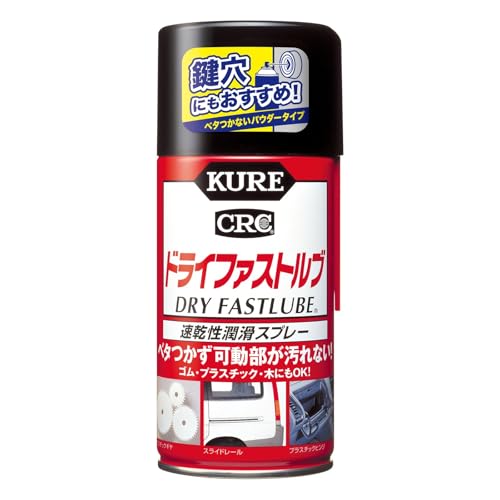
KURE Dry Fast Lube Fast-Drying Lubricant 300ml



 メナ
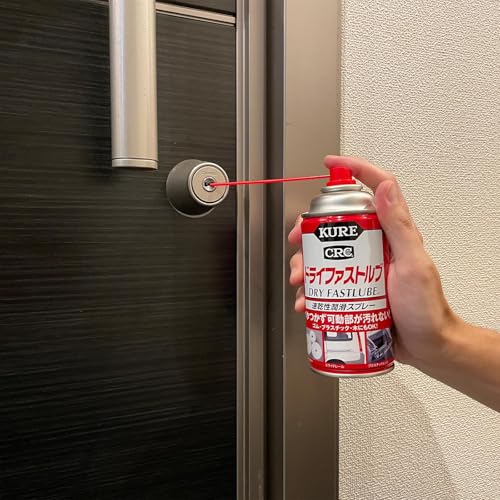
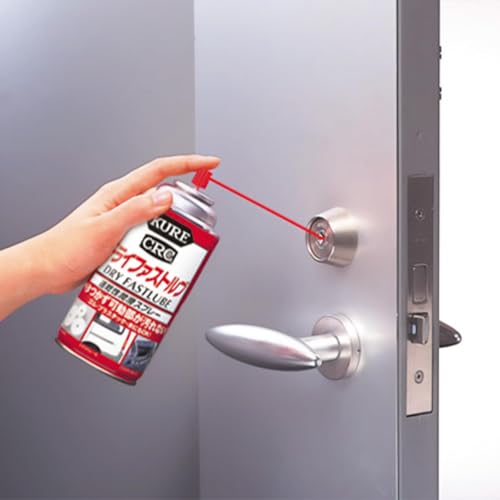
メナDry Fast Lube is a dry lubricant that doesn’t attract dust. Used on exterior slide surfaces and adjustment mechanisms of power tools, it gives smooth, long-lasting movement without any oily residue. I actually reach for this more often than regular oil, because regular oil tends to accumulate grime.
The weakness of conventional lubricating oils is that they attract dust and swarf. KURE Dry Fast Lube 1039 is a PTFE (fluorine-based) fast-drying lubricant that forms a dry (non-tacky) lubricating film after application — the solvent evaporates and leaves a smooth white coating. Ideal for lubrication in swarf-heavy environments like belt sander platens, electric planer bases, and circular saw guides.
To use: spray lightly onto a clean, degreased surface and wait 30 seconds to 1 minute for the solvent to evaporate. Once dry, a non-sticky film forms and maintains smooth, low-friction movement. Unlike oil-based lubricants, there’s no tackiness and no transfer to hands or materials during work — making it suitable for woodworking and finishing operations where a clean result is required.
Caution: Dry Fast Lube has reasonable compatibility with rubber and plastic parts, but there is a degradation risk with prolonged, heavy-contact exposure. It is also not suited for high-load metal contact areas (gears, bearings) — grease spray or dedicated molybdenum lubricants are appropriate for those.
Summary: 3 Habits to Make Your Power Tools Last
The three most important power tool maintenance habits are: post-use cleaning (air duster), regular lubrication (5-56 + grease spray), and consumable replacement (carbon brushes). Make just these three a habit and you will reliably extend tool life while significantly reducing the risk of unexpected failures.
When repairs are needed, having the Neji Saurus Liquid, contact cleaner, and precision screwdriver set introduced here expands the range of problems you can solve yourself. Just as you invest in good tools, investing in maintenance gear is an important step toward a richer tool life.
メナUsing good tools well — and for a long time — is ultimately the highest-value choice. The habit of maintenance builds a relationship of trust with your tools.