
Affiliate Disclosure: This article contains affiliate links. If you make a purchase through these links, we may earn a commission at no additional cost to you.
 Mena
Hey there, this is Mena — I write about jobsite tools and work gear. Today I’m comparing mechanics-style gloves for maintenance and DIY work, looking at dexterity and fit.
If cut resistance (EN388 rating) is your top priority, this cut-resistant glove comparison (original article in Japanese) will serve you better. This article instead covers three brands — Mechanix Wear, Ironclad, and Vgo — for readers who care more about fine tool control, fit, and touchscreen compatibility than cut protection.
Mechanics Gloves: Chosen for Dexterity and Fit
Mechanics gloves originated as gear for motorsport mechanics. Rather than prioritizing cut resistance the way cut-resistant work gloves do, they’re built with thin material that preserves your feel for tools while fitting close around the wrist and fingers so movement isn’t restricted. That trade-off means their cut protection is lower than dedicated cut-resistant gloves, so they’re not the right choice for work involving sharp blades or metal edges.
All three products here are sometimes discussed in terms of the EN388 standard, but EN388 itself isn’t exclusive to cut-resistant gloves — it’s a composite rating that also covers abrasion resistance, tear strength, and more. Treat the number as a reference point, and check it alongside material and touchscreen compatibility.
3 Mechanics Gloves Compared
Material, EN388 reference values, and touchscreen compatibility are all confirmed against each manufacturer’s official specs.
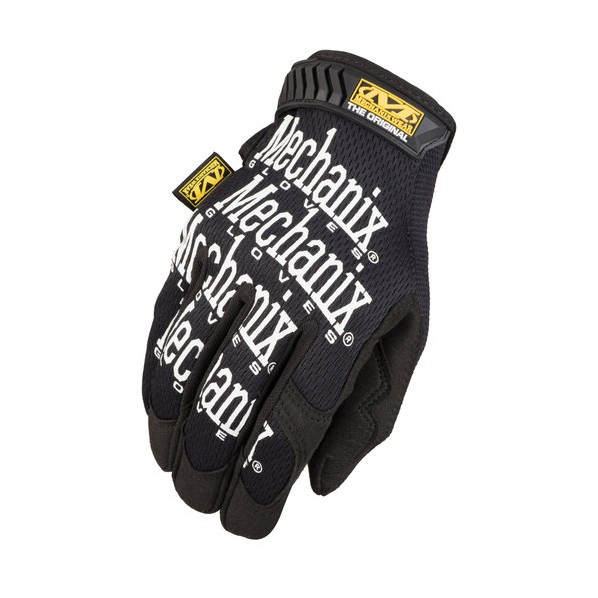
Mechanix Wear The Original MG-05
MenaThis is the model that created the whole “mechanics glove” category. It’s thin, but the fit is snug enough that it doesn’t get in the way of feeling what you’re doing on fine work.
This model pairs a carbon-infused, touchscreen-capable synthetic-leather palm with breathable TrekDry fabric on the back. It carries a reference rating around EN388:3121, and a TPR (thermoplastic rubber) cuff locks the wrist in place. It’s machine washable.
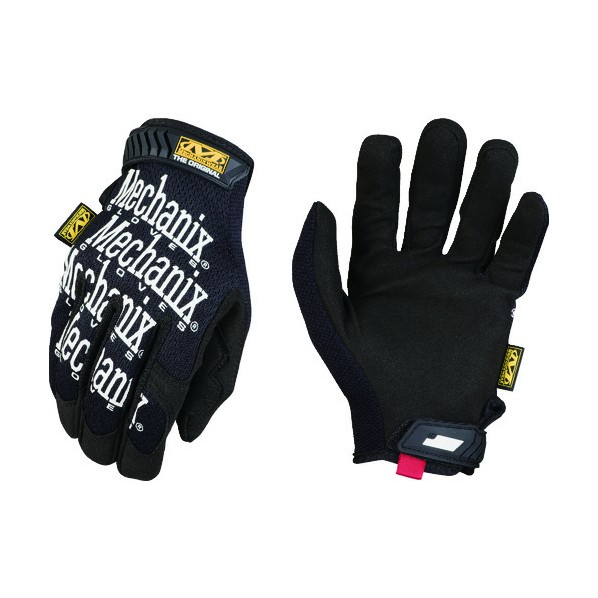
The thumb and index finger are reinforced for durability while keeping the fabric thin, so you can still feel a tool or a bolt clearly. It also works well for jobs where you’re frequently reaching for your phone.
Ironclad EXO Motor Pro
MenaThe neoprene knuckle padding is a small thing, but it genuinely helps when you’re banging the back of your hand in a cramped engine bay.
This model pairs a synthetic-suede palm with a breathable polyester-knit back. The manufacturer’s official spec lists an EN388:3121 rating. Neoprene padding over the knuckles helps absorb impact if you drop a tool or knock your hand against something.
The manufacturer’s page doesn’t spell this out, but “TOUCH SCREEN” is printed on the index finger of the actual glove, confirming touchscreen support from the product photos themselves. A terry-cloth sweat wipe on the thumb is another detail aimed at the small, repetitive motions of real maintenance work.
Vgo SL8849 Men’s Mechanic Gloves
MenaThis is the pick if you just want to try a pair without spending much. It doesn’t market itself on cut resistance, so factor that into your choice depending on the work.
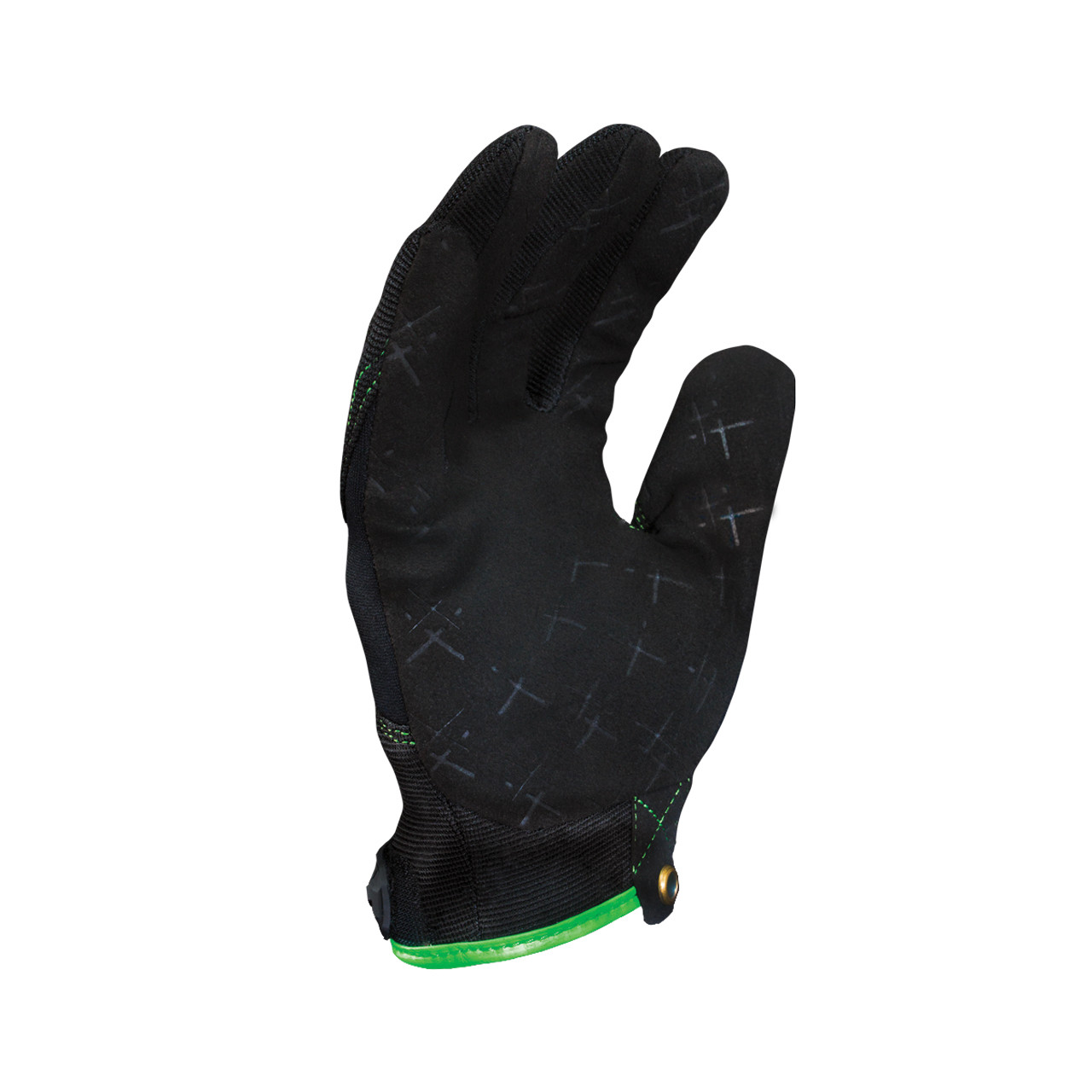
A 3D-contoured mechanic’s glove made of synthetic leather. It advertises touchscreen compatibility, abrasion resistance, and impact absorption, but it doesn’t market an EN388 cut-resistance rating, so it’s not suited to work with cut risk. Think of it as a dexterity-and-fit product, not a cut-protection one.
A urethane pad in the palm cushions impact when gripping a tool. The lower price point also makes it an easy pick when you want to keep a few spare pairs on hand.
Accessories: A Glove Clip Worth Carrying
Stuffing gloves you’ve taken off into a pocket, only to lose them, is a common story. A belt-mounted glove clip keeps the gloves you just removed within easy reach.
Mechanix Wear Glove Clip MWC-05
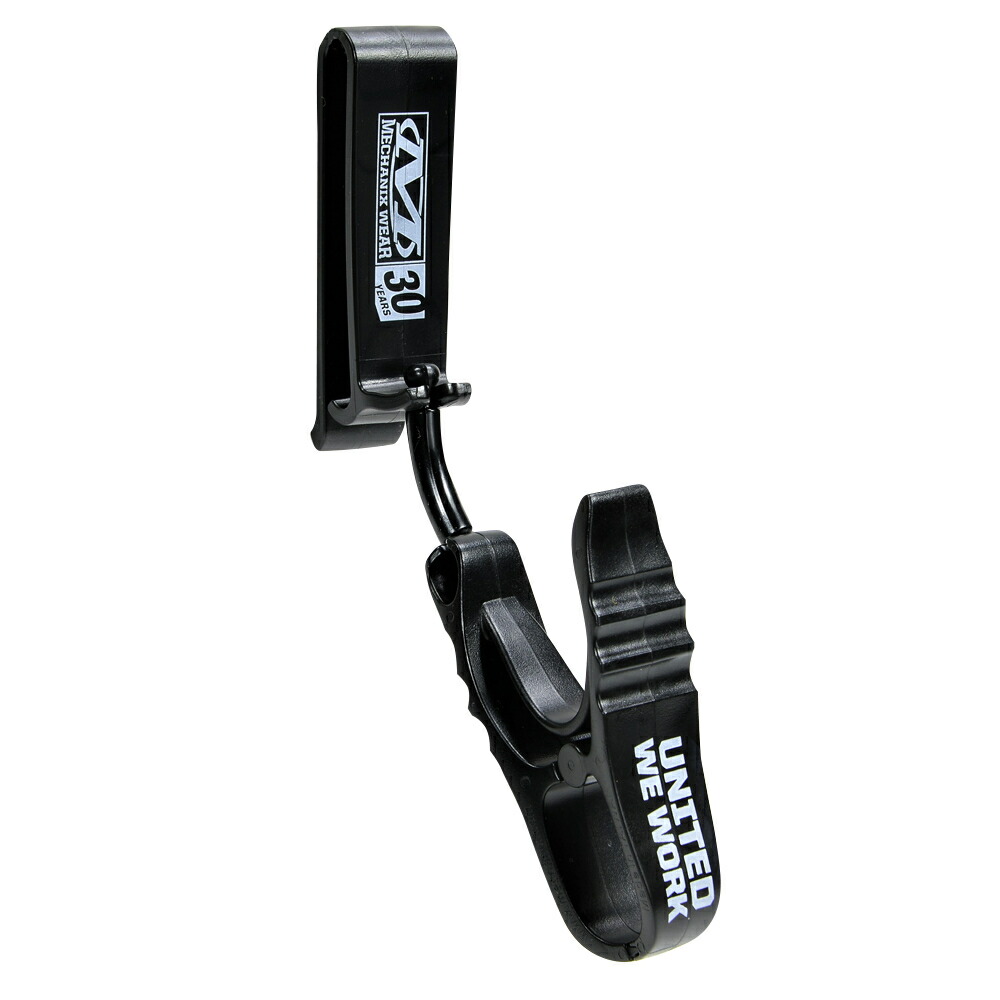
A clip-style glove holder that attaches to a belt or a tool bag handle. It pinches both gloves together like a clothespin, and it’s designed to release under roughly 4.5kg of pulling force — a deliberate safety feature to avoid getting caught on moving machinery.
It’s not limited to Mechanix Wear gloves — it clips onto gloves from other brands too, so it’s an easy accessory to adopt regardless of which gloves you’re using.
Which One Should You Get?
Want a thin, well-fitting, go-to model: the Mechanix Wear Original is the balanced pick. Working in an engine bay and want knuckle protection too: go with the Ironclad EXO Motor Pro. Just want to try a pair on a budget: the Vgo SL8849 is the easiest price point to start at.
MenaFor general maintenance and DIY work with low cut risk, I’d reach for a dexterity-focused mechanics glove; for work involving sharp metal edges or glass, a cut-resistant glove. Matching the glove to the actual task is the safer way to think about it.
If Cut Resistance Is Your Priority
This article compares gloves on dexterity and fit. If you’re doing work with real cut risk, or want to choose by EN388 cut-resistance level, this guide to 4 cut-resistant work gloves, sorted by EN388 level (original article in Japanese) will serve you better.
Summary
Choosing a mechanics glove is about dexterity, fit, and touchscreen compatibility — not cut resistance. Mechanix Wear, Ironclad, and Vgo are all designed for usability in maintenance and DIY work, but they differ in material and knuckle protection, so pick based on your actual work. For work with real cut risk, look at a dedicated cut-resistant glove instead.