
 Mena
MenaInsulated (EH-rated) and anti-static (ESD) safety shoes look almost identical, but they do opposite jobs. Mixing them up isn’t just a minor mistake — it can leave you without the protection your job site actually requires. Here’s the difference, plus two solid picks in each category.
Affiliate Disclosure: This article contains affiliate links. If you make a purchase through these links, we may earn a commission at no additional cost to you.
EH-Rated and ESD Shoes Do Opposite Jobs
Under ASTM F2413 (the US safety footwear standard), electrical protection for safety shoes falls into two categories that look similar but work in opposite directions.
Standards note: EH (Electrical Hazard) protection is defined by ASTM F2413, and SD/ESD (Static Dissipative) protection is separately defined by ASTM F2413 as well — but they are tested and rated independently, and a shoe is normally built for one or the other, not both. Always confirm which rating your job actually requires from your safety officer or work order before buying.
EH (Electrical Hazard) Type
Built for electricians and electrical maintenance workers who might accidentally contact a low-voltage circuit. EH-rated soles are designed to resist the flow of electrical current through the sole for a limited time under dry conditions (commonly rated to 14,000-18,000V by manufacturers, dry conditions only) — they reduce the risk of a circuit passing through your body via the ground.
Note: EH rating here is limited to the sole of the safety shoe. It is not a substitute for dedicated live-line electrical PPE (insulating rubber boots, insulating gloves, etc., which are separately rated for high-voltage work). EH-rated shoes alone are not sufficient for high-voltage live-line work.
ESD / Static Dissipative Type
This type does the opposite: it deliberately lets static charge built up in your body drain safely to the floor through the sole. It’s used in environments where a static discharge could ignite solvents/flammable vapor, or where static can damage sensitive electronic components (such as PCB assembly and cleanroom work).
MenaWearing an ESD shoe where an EH-rated shoe was actually required means you could still be exposed to shock risk — the two ratings are not interchangeable, so confirming which one your job needs comes first, before picking a model.
4 Models Worth Considering
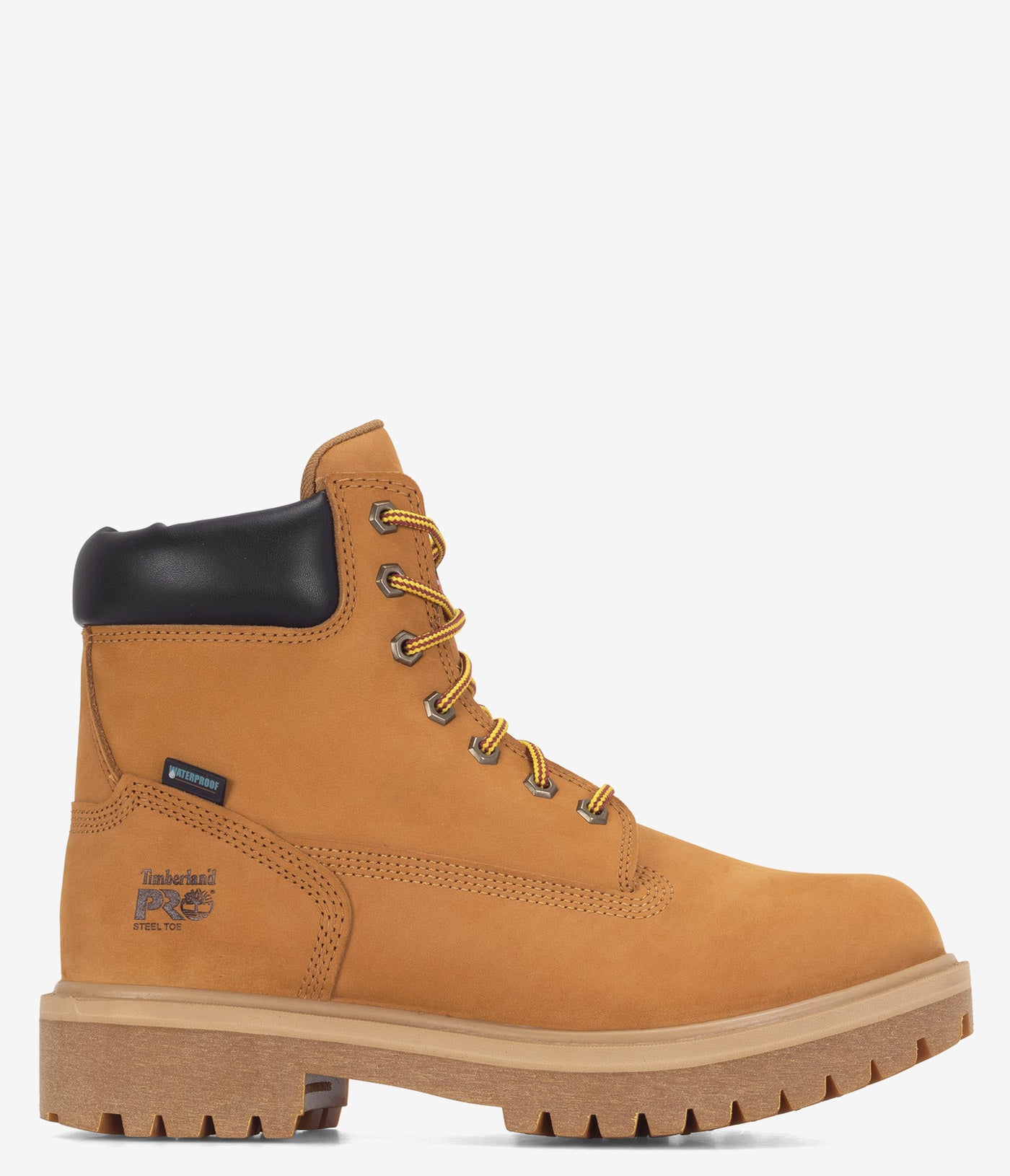
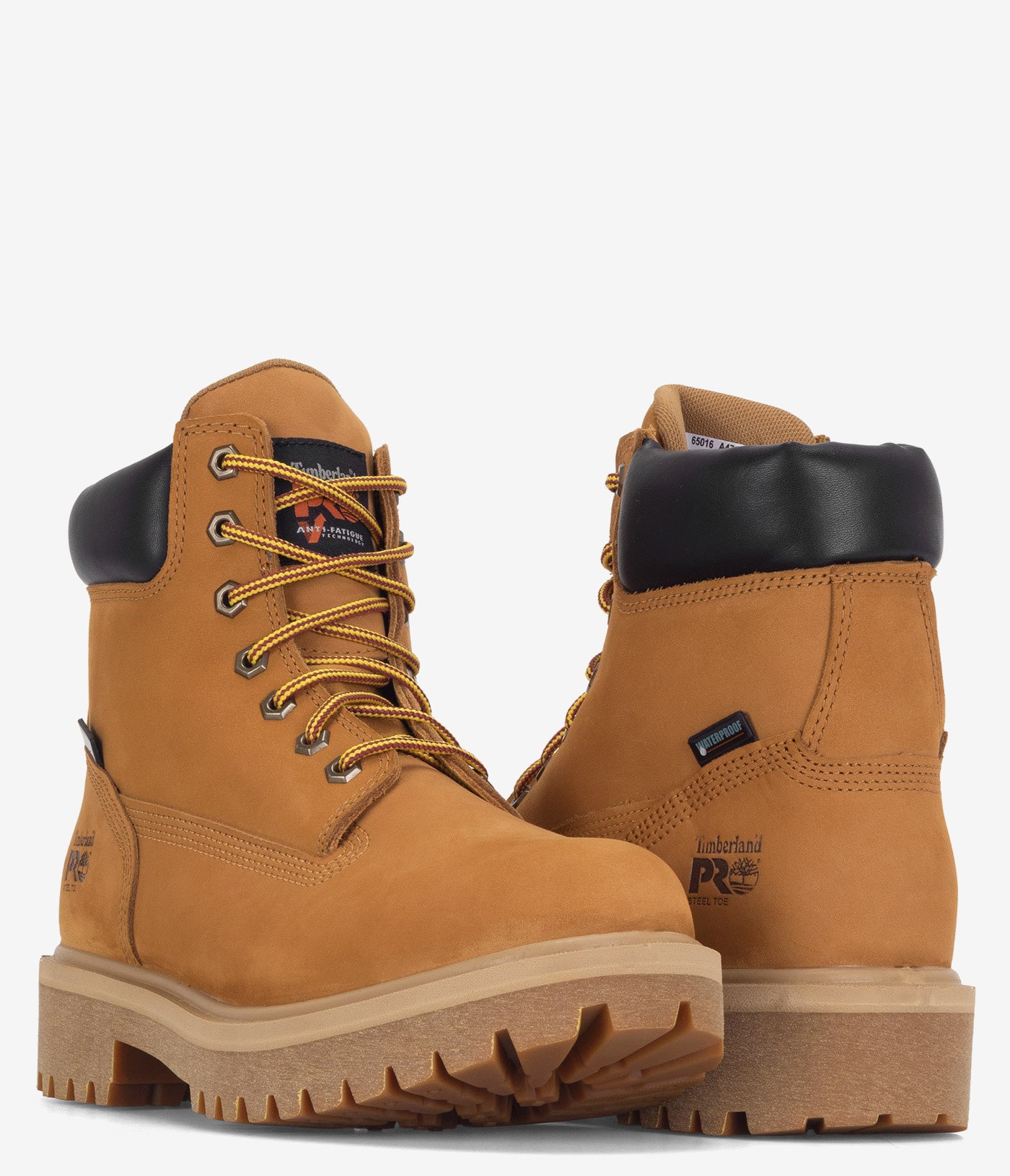
EH Type #1: Timberland PRO Direct Attach 6″ Insulated Steel Toe EH Work Boot


| Brand | Timberland PRO |
| Model | Direct Attach 6″ Insulated Steel Toe EH Work Boot |
| Rating | ASTM F2413 EH |
| Toe | Steel |
A waterproof, 200g-insulated steel-toe boot from one of the most established names in work boots. It carries an EH rating alongside slip-, oil-, and abrasion-resistant rubber outsoles, and an anti-fatigue polyurethane footbed for all-day wear.
 Mena
MenaThe 200g insulation is genuinely noticeable in cold-weather testing — it’s the kind of boot you can stand around in on a winter job site without your feet going numb.
It’s a solid default pick if you want an EH-rated boot from a widely-stocked, well-supported brand and also need the insulation for cold-weather job sites.
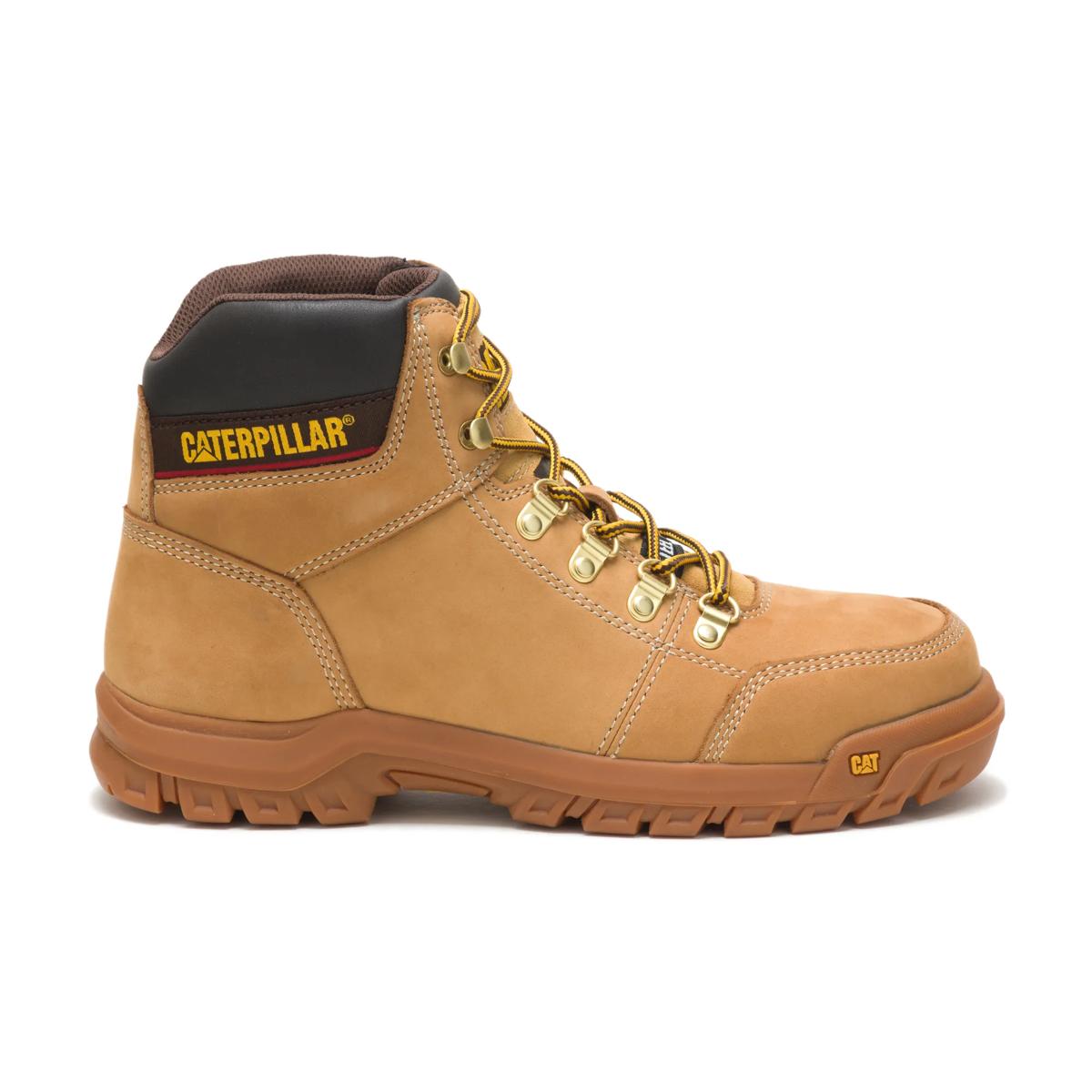
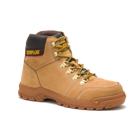
EH Type #2: Cat Footwear Outline Steel Toe EH Work Boot
| Brand | Cat Footwear |
| Model | Outline Steel Toe EH Work Boot |
| Rating | ASTM F2413 EH (protects against open circuits up to 600V dry) |
| Toe | Steel |
A full-grain leather EH-rated steel toe boot from Cat, with a slip-resistant outsole and a nylon mesh lining for breathability. It sits at a lower price point than many premium work boot brands while still meeting the EH standard.
 Mena
MenaCat’s work-boot lineup has always leaned toward no-nonsense construction-site durability, and this one doesn’t try to be anything fancier than that.
If you want an EH-rated boot without paying a premium-brand price, this is the more budget-friendly option of the two EH picks here.
ESD Type #1: Reebok Work Heckler RB4625 ESD Composite Toe Athletic Safety Shoe
| Brand | Reebok Work |
| Model | Heckler RB4625 |
| Rating | ASTM F2413 SD (static dissipative, dual resistor) |
| Toe | Composite |
A seamless athletic-style oxford built on static-dissipative dual-resistor technology to safely bleed off body static, with a composite (non-metallic) safety toe and a cushioned EVA footbed.
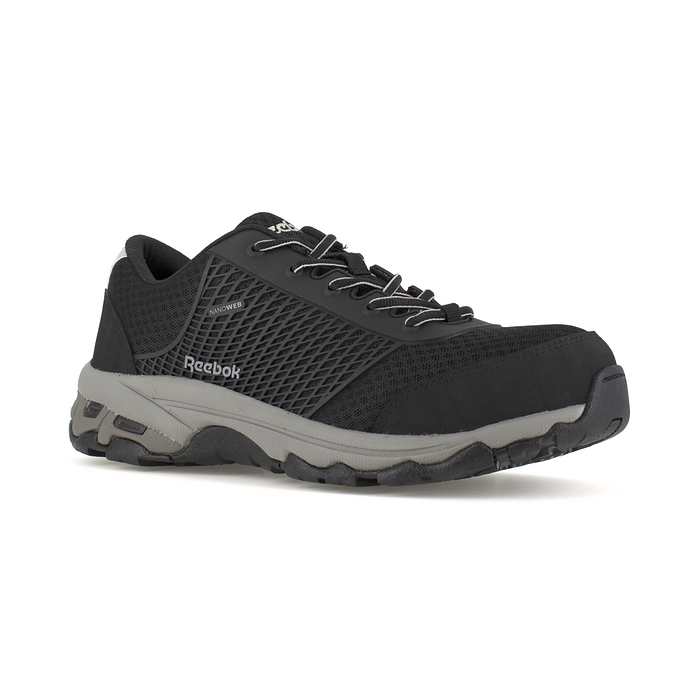
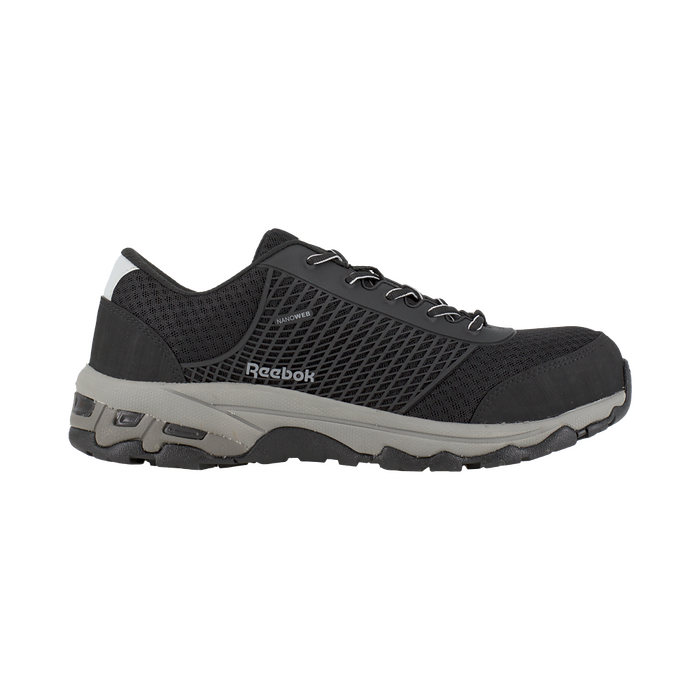
Because it looks and feels like a sneaker rather than a boot, it’s a comfortable option for cleanroom or electronics-assembly floors where you’re on your feet all shift but don’t need boot-level ankle support.
MenaReebok’s athletic-shoe heritage really shows here — it’s easy to forget you’re wearing a safety-rated shoe at all until you remember what’s under the sole.
ESD Type #2: Skechers Work Telfin – Saket ESD Alloy Toe Shoe
| Brand | Skechers Work |
| Model | Telfin – Saket ESD |
| Rating | ASTM F2412/F2413 (ESD, lightweight alloy toe) |
| Toe | Alloy |
A lace-up, sneaker-styled ESD shoe with a lightweight aluminum-alloy safety toe. It skips the bulk of a traditional work boot while still meeting the ESD/impact-and-compression requirements for static-sensitive work areas.
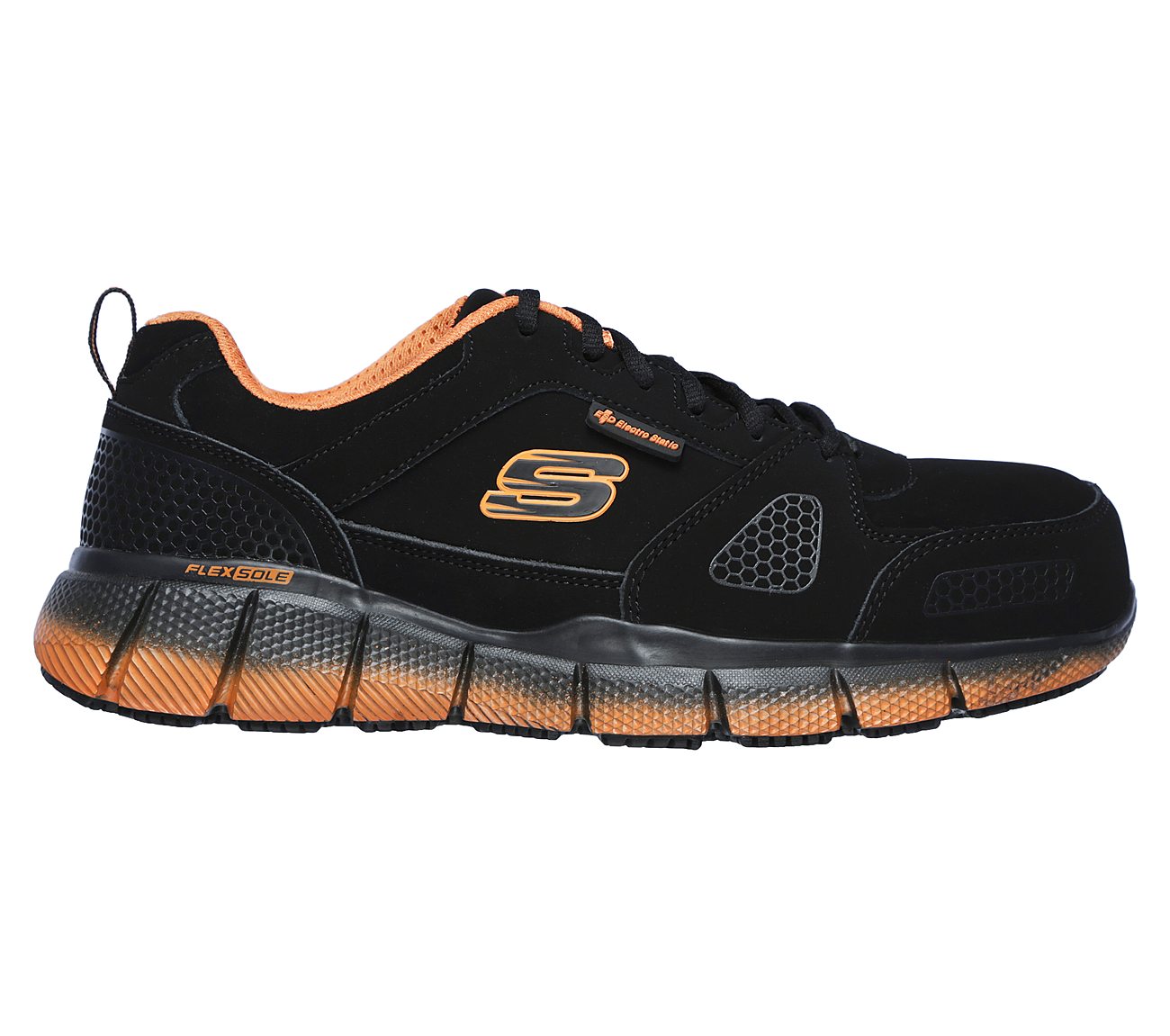
It’s a reasonable choice if the Reebok above doesn’t fit your foot shape or budget — both cover the same ESD use case with a similar athletic-shoe feel.
MenaBetween the two ESD picks here, it really comes down to fit and price — neither one is a clear technical upgrade over the other.
How to Choose: Confirm EH or ESD First
Before anything else, confirm with your work order or safety officer which protection your job site actually requires. Once you know that, narrow down by category first — Timberland PRO or Cat Footwear for EH, Reebok Work or Skechers Work for ESD — then choose between the two options in that category based on fit, weight, and price.
If you’re after a more casual-looking safety shoe for everyday wear rather than a heavy-duty boot, see our roundup of sneaker-style ASTM F2413 safety shoes.
MenaIf there’s one thing worth repeating: EH and ESD are not interchangeable, and picking the wrong one leaves a real safety gap, not just a comfort tradeoff.
Conclusion: Pick the Shoe That Matches the Job
EH and ESD ratings sound similar but do the opposite job at the sole. Confirm which one your work site requires, then choose from the four models above based on fit and budget within that category.