
Affiliate Disclosure: This article contains affiliate links. If you make a purchase through these links, we may earn a commission at no additional cost to you.
When choosing power tools, the first thing you’ll struggle with is “which brand to go with.” Makita, HiKOKI, Bosch, DEWALT, RYOBI, Panasonic, SK11 — each has different strengths, and battery compatibility doesn’t cross brands. Choosing the wrong brand means you’ll end up having to buy new batteries every time you add more tools.
Based on real-world experience on tool jobsites, this article compares the features, strengths, and weaknesses of 7 major brands including battery compatibility. As the 2026 edition, we also introduce the latest 10 representative models.
 メナ
メナMilwaukee is excluded from this article due to limited distribution on Amazon.co.jp.
Comparison of Key Features Among 7 Major Brands
Makita
Makita holds the No. 1 market share in Japan’s power tool market. With over 100 models compatible with the 18V series battery — the most of any brand — “going with Makita” gives you the widest selection of tools that can share batteries. The broad lineup, from high-performance brushless motor models to entry-level tools, is a key strength. The downsides are the higher prices on top-end models and the fact that the maximum voltage is 40Vmax (domestic market), which is less versatile than MultiVolt.
HiKOKI (formerly Hitachi Koki)
HiKOKI is the brand name adopted after the rebranding of Hitachi Koki, holding the No. 2 domestic share in professional power tools. Its biggest feature is the MultiVolt battery system, where the same battery can be used at both 18V and 36V. It has a rich lineup of corded tools (grinders, electric saws), making it well-suited for contractors who want to consolidate corded and cordless tools under one brand.
Bosch
Bosch is a German comprehensive electronics manufacturer, with professional power tools sold under the “Bosch Professional” brand. A standard brand on European and North American construction sites, it stands out for its comprehensive safety features (kickback prevention, overload protection). Its presence in the Japanese market is lower, but it has strong adoption at foreign-affiliated construction companies, imported equipment installation, and European-style manufacturing facilities.
DEWALT
DEWALT is an American power tool brand with the top share in the North American construction, facility, and automotive maintenance industries. The combination of brushless motors and high torque gives it the durability to withstand tough use. In Japan, it’s adopted at automotive maintenance, demolition, and plant construction sites, and is the brand with particularly high review ratings on Amazon.
RYOBI / Kyocera
Japan’s RYOBI brand power tools were transferred to Kyocera Industrial Tools from 2019 onward. They are currently sold under the KYOCERA brand. Price ranges are lower, and there are many models specialized for DIY and light construction. There is no battery compatibility with Makita or HiKOKI, making this brand better suited for home DIY than for serious jobsite work.
Panasonic
Panasonic power tools receive overwhelming support in the electrical installation (electrical work) field. The company has long offered dual 14.4V/18V compatible models, and electricians appreciate the high reusability of batteries. Its strengths are the compact design with short overall length and precise torque control, making it suitable for tasks requiring delicate tightening precision such as wiring and switch installation.
SK11 (Fujiwara Sangyo)
SK11 is a DIY tool brand from Fujiwara Sangyo, recognized as a cost-effective option easily available at home improvement stores. Aimed more at DIY and light work than professionals, with fewer models compared to major manufacturers. It’s a brand for beginners who “just want to try using power tools” or those who want to get set up cheaply without worrying about battery compatibility.
Battery Compatibility Map by Brand
Power tool batteries have no cross-brand compatibility. Since you’re locked into the battery system of the brand you initially choose, always check before assembling multiple tools.
[Makita] 18V (BL1830B–BL1860B) / 40Vmax (BL4025–BL4080F) — most compatible models (18V: 100+ types). 18V and 40Vmax are not compatible with each other.
[HiKOKI] MultiVolt (BSL36A18/BSL36B18, etc.) — one battery works for both 18V and 36V. Slide-type 18V-only models (BSL1830M, etc.) also exist.
[Bosch] Shared 18V (GBA18V). Also compatible with the overseas ProCORE series.
[DEWALT] 18V/20V MAX (DCB203–DCB208). North American 20V MAX and Japan-spec 18V are the same standard.
[Kyocera/RYOBI] Multiple generations including 14.4V and 18V. Compatibility with old RYOBI-era batteries depends on the model.
[Panasonic] 14.4V (EZ9L45, EZ9L54, etc.) and 18V (EZ9L51, EZ9L63, etc.) are separate systems. Dual-compatible models like EZ75A7 can use both.
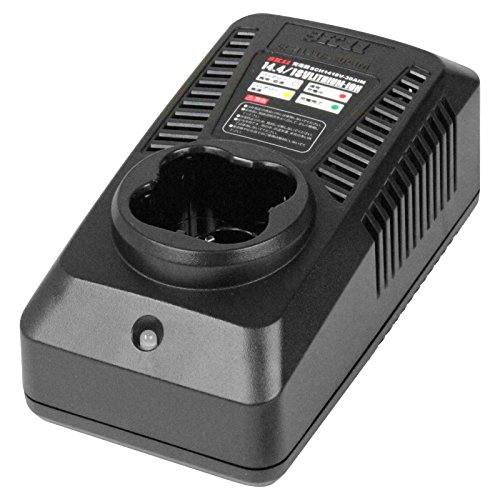
[SK11] 14.4V (SBP144-13LIC, etc.). No compatibility with other brands.
Recommended Brands by Use Case and Budget
Construction/Installation Professionals (Rich Battery Ecosystem, Long-Term Use)
→ Makita or HiKOKI. With many battery-compatible models, it’s easy to expand your tool lineup in the future. Makita has the most model variety; HiKOKI lets you leverage 36V tools with MultiVolt.
Electrical/Facility Work
→ Panasonic or Makita. Panasonic’s dual compatibility and short overall length are ideal for the electrical industry. Makita has many 18V models, making it easy to consolidate tools.
Global Jobsites / Imported Equipment Maintenance
→ Bosch or DEWALT. Strong in Western-standard safety features and parts procurement. Choose Bosch if kickback prevention is a priority; DEWALT for high torque.
DIY / Home Use (Cost-Performance Focus)
→ Kyocera (RYOBI) or SK11. Ideal for light users who don’t expect cross-model battery sharing and need only 1–2 tools.
Recommended Brands by Trade
Electricians and Facility Workers
→ Panasonic is the clear choice. Dual battery + short overall length (118mm) + IP56 waterproofing directly meet the needs of the electrical industry. The “Panasonic rate” on jobsites remains high.
Carpenters and Woodworkers
→ Makita is the top choice. Unmatched breadth in woodworking tools like circular saws, jigsaws, and routers, with easy consolidation on 18V batteries.
Steel Frame, Welding, and Demolition
→ HiKOKI or DEWALT. HiKOKI grinders are the standard for steel frame work. DEWALT impact wrenches shine for heavy fastening and high-torque applications.
Interior, Plastering, and Renovation
→ Makita or HiKOKI. Both brands make it easy to assemble a full range of construction tools — impacts, drills, reciprocating saws — on the same battery.
DIYers and Weekend Builders
→ For your first tool: Makita TD173DRGX or HiKOKI WH18DC. If you plan to expand your lineup, starting with one of the two major brands is the right move. If cost is the top priority: SK11 SID-144V-RLP.
Top 10 Recommended Products: Brand Representatives and Use-Case Picks
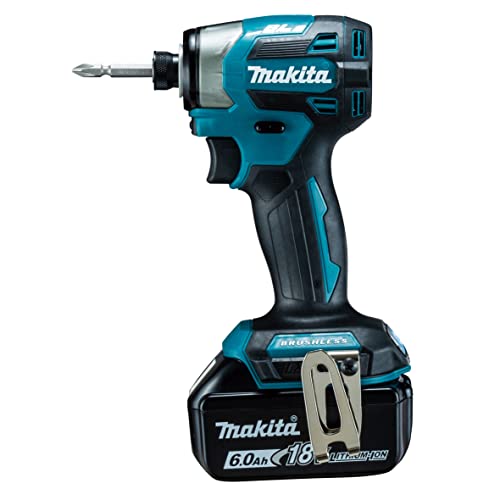
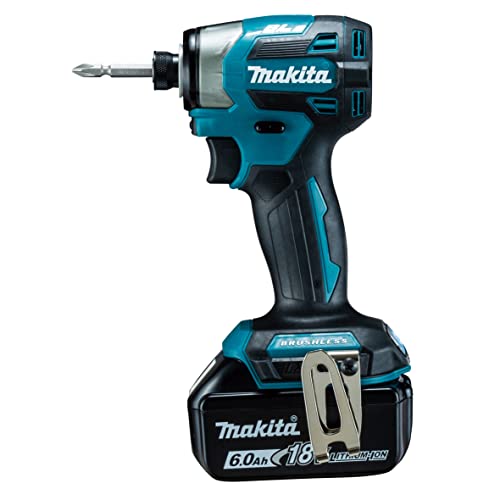
Makita TD173DRGX Cordless Impact Driver 18V Blue


 メナ
メナThe TD173 has full-ring LED for bright illumination and top-class balance among all generations. It’s one of the most refined tools in the Makita 18V lineup — my first recommendation for the jobsite.
This is the latest flagship model of Makita’s 18V impact driver. The TD173DRGX is equipped with a full-ring LED that illuminates approximately 2.5 times brighter than conventional models. With a maximum tightening torque of 180 N·m, plus a set including 2 batteries, a charger, and a case, it handles everything from Makita beginners to permanent jobsite fixtures.
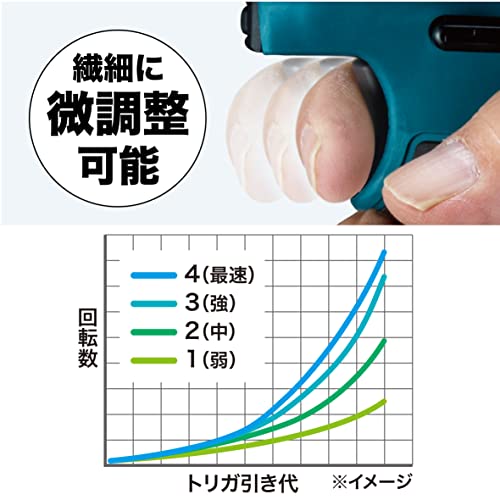
Optimized center of gravity reduces strain on the wrist, suppressing fatigue during long work sessions. Electronic 4-speed control (wood/metal/thick plate/bolt) improves tightening precision to match the material. The slim grip diameter is easy to wrap your hand around, with a design that’s also easy to handle for women and users with smaller hands.
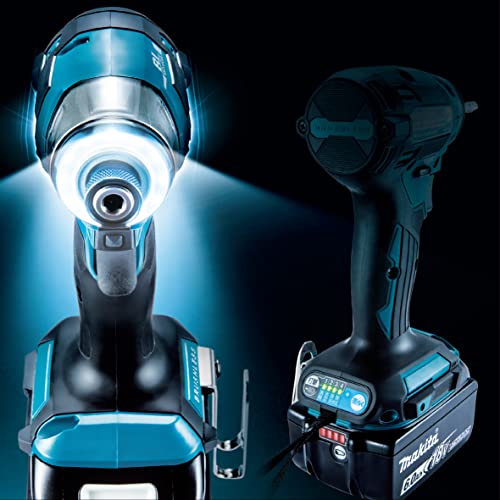
The Makita 18V series has one of the most battery-compatible lineups domestically, sharing batteries with over 100 tools including impacts, circular saws, drills, and lights. For those who already own Makita 18V tools, there’s also the body-only option (TD173DZ), allowing you to reduce the initial investment by sharing batteries.
HiKOKI WH18DC Impact Driver 18V MultiVolt


 メナ
メナThe WH18DC’s MultiVolt battery has the advantage of working at both 18V and 36V. If you plan to expand into MultiVolt models in the future, it’s the smart choice to start with this system from the beginning.
This is HiKOKI’s latest 18V impact driver model. The WH18DC is MultiVolt system compatible, and its biggest feature is that the same battery works for both 18V and 36V (MultiVolt) models. Maximum tightening torque is 180 N·m, in a full set with 2 batteries, a charger, and a case.
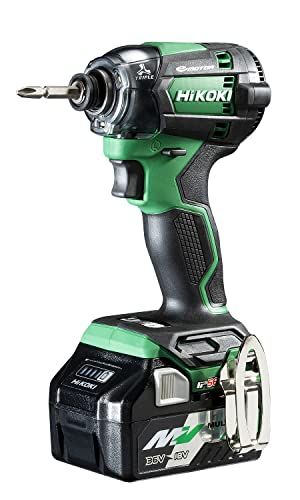
The compact 145mm overall length and lightweight 1.3kg design directly translates to ease of handling for construction work. Electronic 4-mode control (WOOD/BOLT/METAL/AUTO) enables proper torque tightening regardless of material. The brushless motor (e-motor) adoption means longer service life and less frequent maintenance, which is appreciated on jobsites.
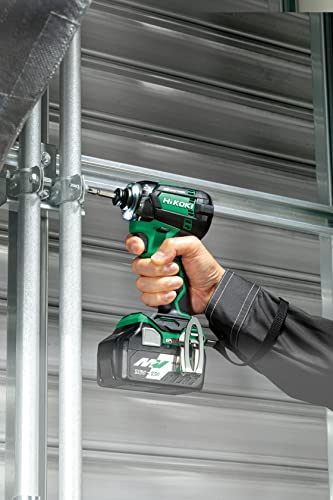
HiKOKI has a particularly rich lineup of AC100V equipment (electric saws, grinders, etc.), making it well-suited for contractors who want to consolidate corded and cordless tools under one brand. Since the battery supports 36V MultiVolt, battery investment won’t be wasted when adding HiKOKI high-power models in the future.
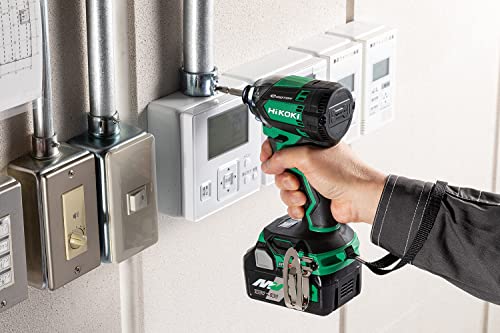
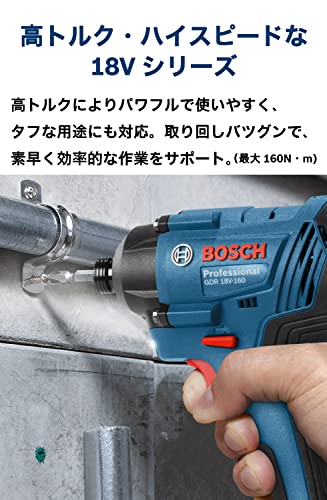
Bosch Professional GDR18V-160 18V Cordless Impact Driver


 メナ
メナThe Bosch GDR18V-160’s kickback prevention is in a different league. Built to meet European safety standards, it comes standard with a feature to suppress reaction force when a grinding wheel jams.
This is an 18V cordless impact driver from the Bosch Professional series. The GDR18V-160 has a maximum tightening torque of 160 N·m and a 3-speed switch, handling a wide range of fastening tasks including wood screws, bolts, and concrete anchors. Equipped with Kickback Stop, it uses electronic control to detect sudden load increases and apply braking.
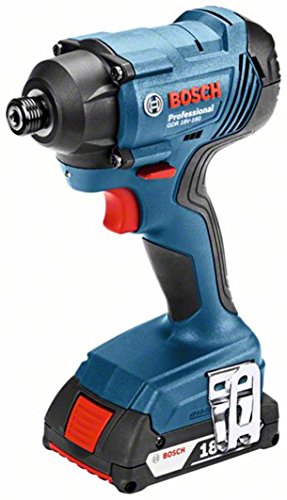
The Bosch 18V battery system (ProCORE18V / GBA18V) is one of the most widely used cordless tool platforms in Europe. Bosch is often adopted as standard equipment at foreign-affiliated construction companies, importers, and European-style manufacturing facilities in Japan, and is valued for the stability of its manufacturer warranty and repair support.
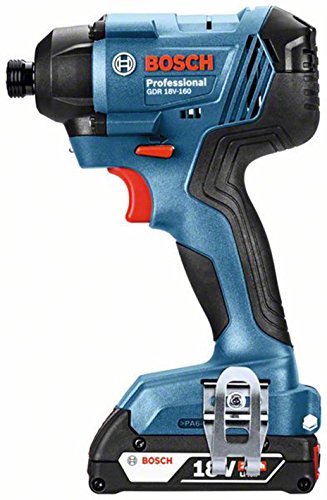
The GDR18V-160 comes as a full set with 2 batteries, a charger, and a carrying case. The compact 155mm overall length and 1.4kg weight give it good maneuverability for ceiling work and tight spaces, and it’s widely used by facility construction, building interior, and woodworking workers.
DEWALT DCF887M2-JP 18V Brushless Impact Driver



 メナ
メナThe DEWALT DCF887 is one of the best-selling cordless impact drivers in North America. The combination of 3-speed and brushless delivers excellent value, and is an unqualified recommendation for fans of imported tools.
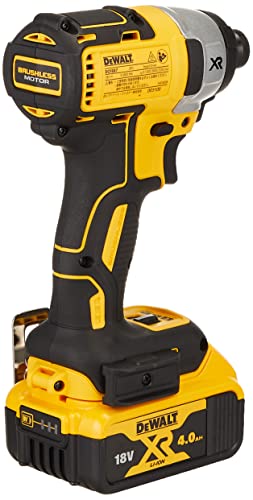
This is DEWALT’s flagship 18V (20V MAX in North America) impact driver. The DCF887M2-JP features 3-speed control (low 900rpm / mid 2,000rpm / high 2,800rpm) plus a brushless motor, handling everything from precise screw tightening to high-torque bolt fastening. Maximum tightening torque of 205 N·m is top-class among domestically available models.
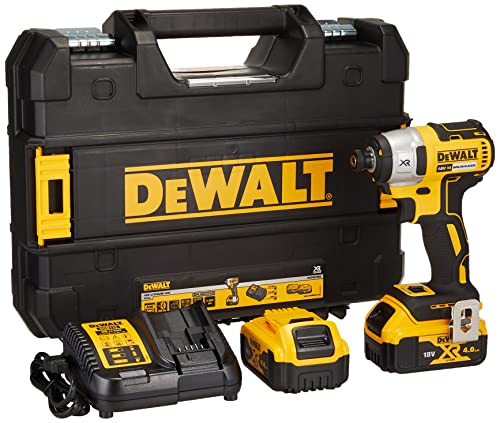
DEWALT is a brand with an overwhelming share in American construction and manufacturing. It’s adopted at automotive maintenance, steel frame, and electrical work sites in Japan as well, and the set configuration including 2× 4.0Ah batteries, a charger, and a case is practical content that can handle long work hours.
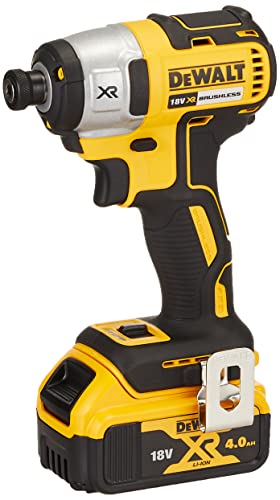
For DIYers and tool collectors, DEWALT is popular as a “trusted brand for hard use,” with top-class review counts and ratings on Amazon domestically. Since North American spec (20V MAX) is just a different label for the same battery standard, high compatibility with parallel imports makes it easy to purchase.
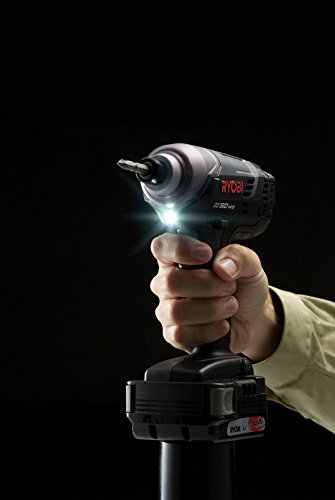
Kyocera (formerly RYOBI) BID-1415 Cordless Impact Driver 14.4V


 メナ
メナThe old RYOBI BID-1415 is light and compact. It has sufficient torque for DIY and light construction work, and has long been a staple cost-performance pick on Amazon.
This is a 14.4V cordless impact driver from former RYOBI (now Kyocera Industrial Tools). The BID-1415 has a maximum tightening torque of 135 N·m, handling tightening of wood screws (M4–M8), standard bolts (M5–M14), and high-strength bolts (M5–M12). It uses a lithium-ion battery with a 45-minute charge time, a compact model with no shortage of practical run time after a full charge.
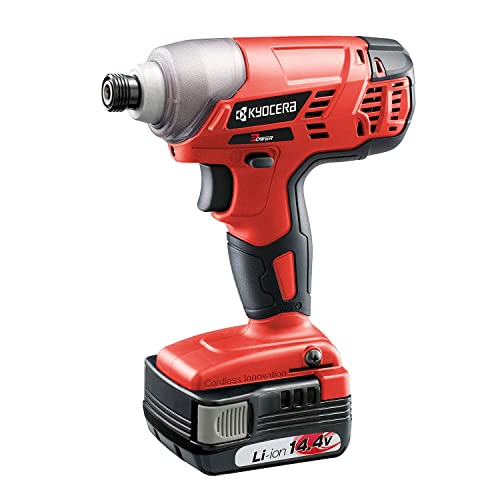
The RYOBI brand transferred its domestic power tool business to Kyocera in 2019, but the product design and manufacturing know-how were carried over as-is. The BID-1415 is a bestselling model designed during the RYOBI era, featuring a slim grip as one of its characteristics. At a light 1.0kg (body + battery), it’s easy to handle for female users and during overhead work.
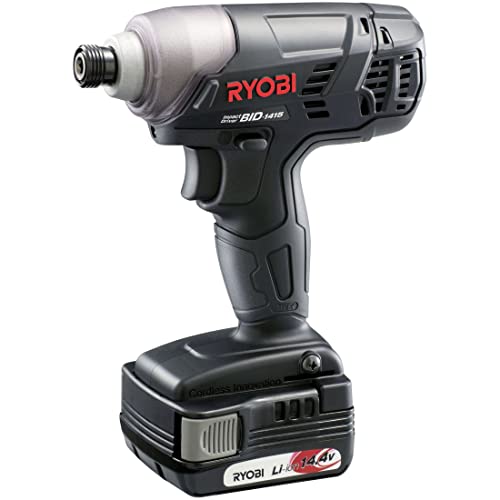
With an affordable price range of 5,000–10,000 yen (depending on timing and sales), it has enduring popularity as a DIY entry tool, spare jobsite tool, or intro tool for young craftsmen. It’s a particularly good option for those who prioritize cost-performance and don’t care about battery compatibility with Makita or HiKOKI.
Panasonic EZ75A7LJ2G-R Cordless Impact Driver 14.4V/18V Dual





 メナ
メナPanasonic’s dual-compatible impact that works with both 14.4V and 18V is a feature no other brand offers. This is the tool electricians and facility workers have chosen for years.
This is the top-of-the-line model of Panasonic’s cordless impact drivers. The EZ75A7LJ2G-R supports both 14.4V and 18V (dual), so you can use batteries from 2 voltage systems with one unit. Despite achieving one of the shortest bodies in Japan at 118mm overall length, it meets IP56 waterproof and dustproof standards, withstanding use in rainy conditions and dusty environments.
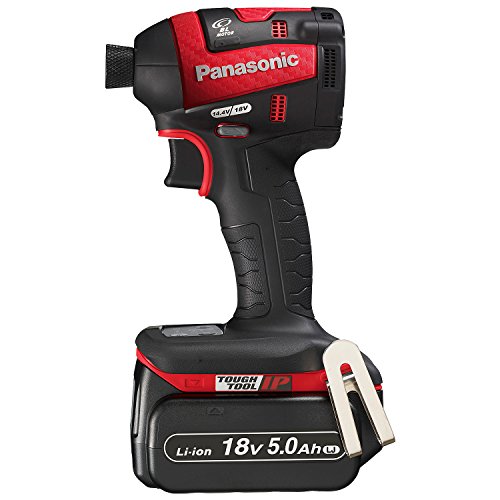
Panasonic power tools have an overwhelming share in the electrical installation (electrical work) field. The control performance in situations requiring delicate torque management such as wiring work is highly rated, with outstanding control precision at low speeds. The luxurious set includes 2× 18V 5.0Ah batteries, a charger, and a case, supporting long hours of operation on the jobsite.
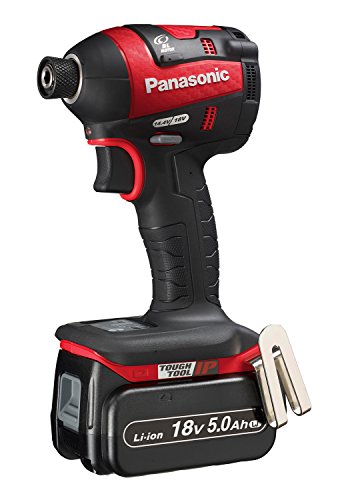
The biggest advantage of dual battery support is that if you already own either 14.4V or 18V, you can immediately reuse one of those batteries. Since 2 types of batteries can be used with one impact driver, you can make the most of it even during the tool replacement period.
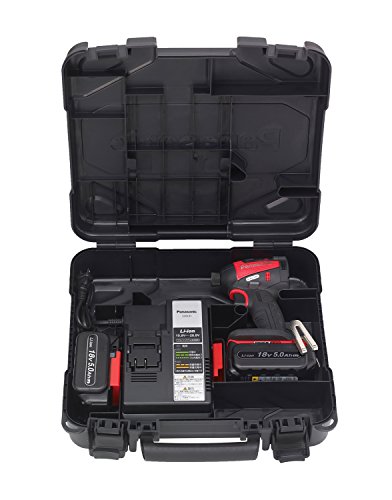
Makita DF001GRDX Cordless Driver Drill 40Vmax 2.5Ah


 メナ
メナThe Makita 40Vmax DF001G excels in the balance of torque, speed, and durability. If you’re going high-end, it’s a strong candidate for the top class.
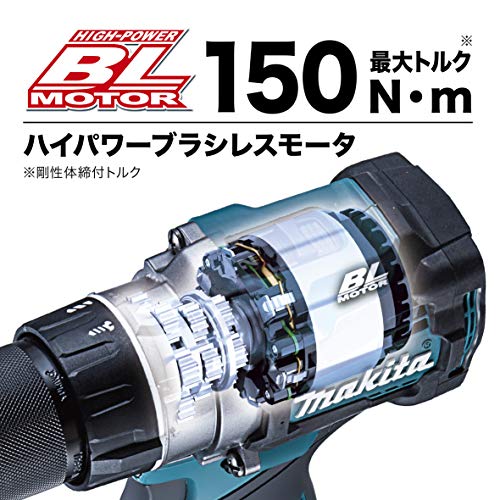
This is a cordless driver drill in Makita’s 40Vmax series. The DF001GRDX features maximum tightening torque of 150 N·m, maximum drill diameter φ13mm (metalwork), and 21-stage clutch, combining precision tightening above and beyond an impact driver with drill work. Full set includes 2× BL4025 (2.5Ah) batteries, DC40RA charger, and case.
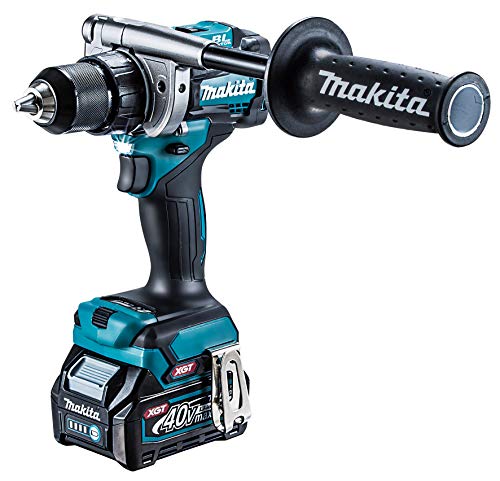
The 40Vmax system more than doubles the voltage from conventional 18V, delivering performance approaching corded electric tools even for heavy cutting and high-torque work. The hammer drill (HP001GRDX) is also in the lineup, allowing tools to be used interchangeably on the same battery. Ideal for professional plasterers, interior, and woodworking craftsmen handling heavy building materials and structural timber.
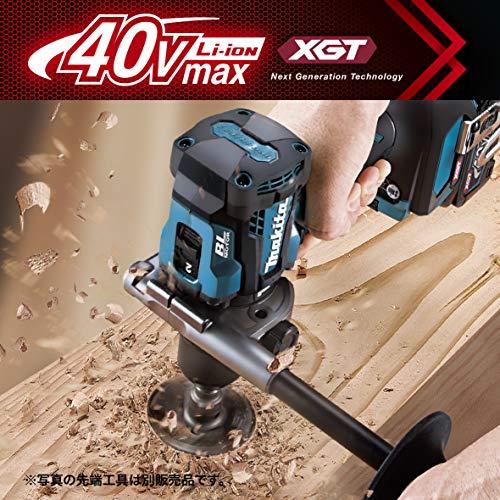
40Vmax tools are more expensive than 18V, but with larger capacity per battery and fewer battery swaps, the actual work cost decreases for long-duration work. Not suitable as an entry-level tool, but a top-tier professional model for long-term use as the main jobsite tool.
HiKOKI DV18DC(NN) Cordless Vibration Driver Drill 18V Body Only


 メナ
メナThe DV18DC uses HiKOKI’s e-motor with 6× or more continuous tightening performance compared to conventional models. A versatile drill that can also handle concrete drilling as a hammer drill.
This is HiKOKI’s 18V cordless vibration driver drill. The DV18DC(NN) achieves maximum tightening torque of 140 N·m and maximum drill diameter φ20mm into concrete with vibration mode. Equipped with an e-motor (brushless), continuous tightening performance for structural screws has improved 6× or more compared to conventional models. Body-only model that can use your existing HiKOKI 18V batteries.
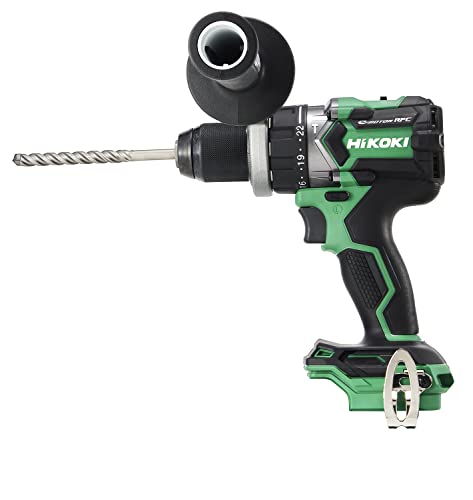
The biggest difference between a vibration driver drill and an impact driver is that one unit can handle both drilling pilot holes into concrete, blocks, and stone, as well as screw driving. For trades with frequent wall and floor drilling such as electrical work, facility piping, and anchor installation, a vibration drill is an essential tool.
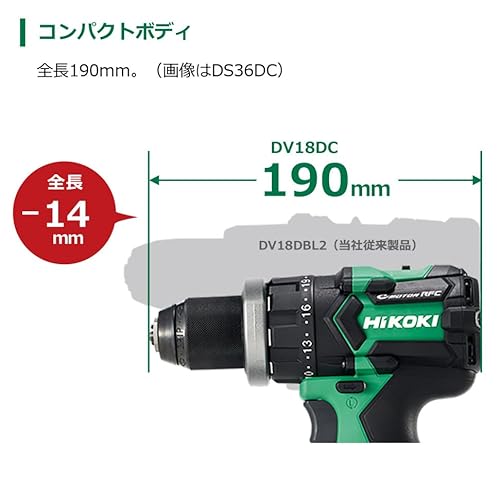
The compact design achieves an overall length of 190mm, the shortest class in the DV18DC series. The 22-stage clutch allows detailed torque management, maintaining the precision to prevent slipping even when fastening thin plates. For contractors primarily using HiKOKI 18V tools, this is the auxiliary tool you’ll want to carry alongside your impact driver.
Makita TW285DZ Cordless Impact Wrench 18V Body Only




 メナ
メナThe Makita TW285 is a 1/2-inch impact wrench that can also be used for tire changes. With 260 N·m of torque, it’s a jobsite time-saver that can tighten and remove large-diameter bolts in an instant.
This is a Makita 18V cordless impact wrench. The TW285DZ achieves a 1/2-inch (12.7mm) square drive and maximum tightening torque of 260 N·m, used for tightening and removing large-diameter nuts such as tire changes, flange bolts, and scaffold bolts. Body only, runs on your existing Makita 18V batteries.
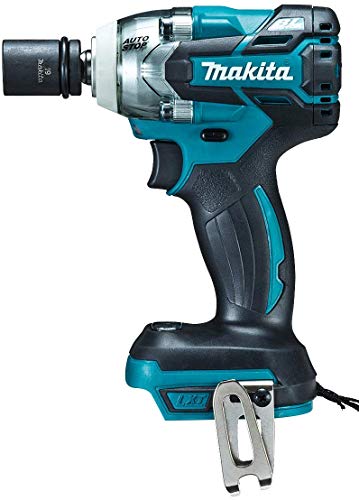
Impact drivers and impact wrenches look similar but differ in drive size and application. A driver attaches bits at the tip to tighten wood screws and steel bolts, while a wrench attaches sockets to tighten bolts and nuts. For jobsites that “tighten lots of large bolts” such as tire changes, automotive maintenance, and plant piping, a wrench is essential.
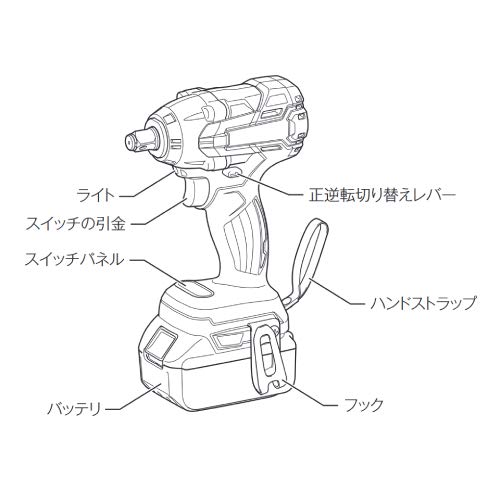
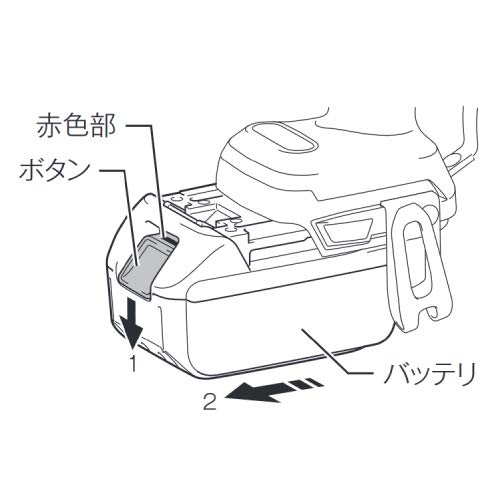
The TW285DZ is a brushed model without a brushless motor, but with 260 N·m of torque it’s an advantageous choice in terms of cost. For jobsites handling structural bolts such as scaffold assembly, bridge repair, and plant construction, it can be used sharing Makita 18V batteries alongside an impact driver.
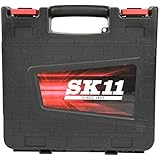
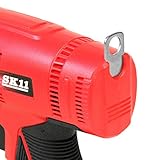
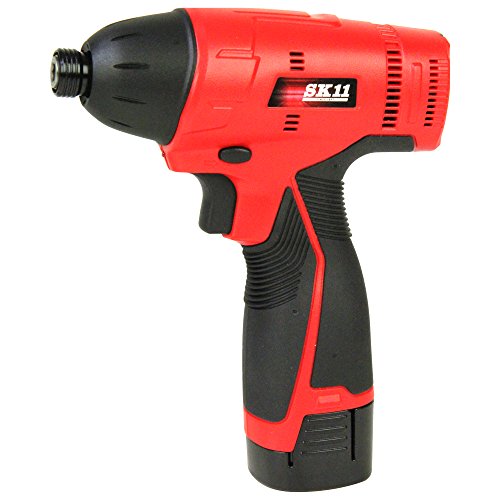
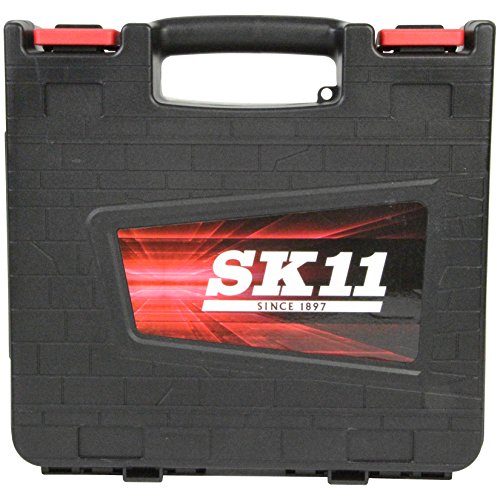
SK11 SID-144V-RLP Cordless Impact Driver 14.4V

 メナ
メナThe SK11 SID-144V-RLP has sufficient performance for its low price. High cost-performance with a charger, battery, and case included for around 10,000 yen makes it highly rated as a DIY entry tool.
This is SK11 (Fujiwara Sangyo)’s 14.4V cordless impact driver. The SID-144V-RLP is a cost-effective model easily available at domestic home improvement stores in a full set with lithium-ion battery, charger, and case. Maximum tightening torque is 135 N·m, handling general tightening of wood screws (M4–M8) and bolts (M5–M12).
SK11 (Fujiwara Sangyo) is a tool-specialized manufacturer founded in 1948, manufacturing and selling a wide range of DIY tools for home improvement stores and specialized tools for professionals. Impact drivers are an OEM-heavy product category, but Fujiwara Sangyo conducts quality management domestically, with reliability rated above its price range.
For DIY beginners who feel “Makita and HiKOKI are too expensive” or for light home use (assembling shelves, installing fences, deck construction, etc.), cost-effective domestic brands like SK11 are the optimal solution. While battery compatibility differs from Makita and HiKOKI, if use is limited to home settings, it functions sufficiently as a budget entry-level tool.
Summary: The Golden Rule of Brand Selection
Choosing a power tool brand is an “investment in a battery system.” If you assemble cheap tools from multiple brands haphazardly, you could end up with 5 battery chargers lined up. The rational strategy is to narrow down to one brand from the start and expand your tools on the same battery.
メナThe top 2 choices for professional jobsites are “Makita vs HiKOKI.” If you can’t decide, starting with Makita 18V is the safe choice. It’s top-class in tool model count, parts distribution, and repair support.
The 10 products introduced in this article are current models available on Amazon, Rakuten, and Yahoo! as of 2026 (model numbers and specifications are subject to change). Please confirm the latest inventory status and prices before purchasing.
For more detailed brand selection tailored to specific trades and use cases, please also refer to our separate article “Power Tool Recommended Brand Guide [By Trade].”