
Affiliate Disclosure: This article contains affiliate links. If you make a purchase through these links, we may earn a commission at no additional cost to you.
To cut rigid materials like acrylic sheets, PVC boards, polycarbonate sheets, and aluminum sheets, you need “material-specific cutters” rather than ordinary utility knives. Acrylic cutters (plastic cutters) are specialized tools that use the “scoring technique” — making grooves and then snapping — to achieve clean straight cuts without using a saw or power tools.
Different cutters are suited for different materials. For thin acrylic sheets (2–3mm), the OLFA P-Cutter S-type (204B) works well; for thick acrylic (5mm+), the L-type large model is effective; for aluminum sheets and decorative panels, metal-compatible models like the NT Cutter P-500GP are appropriate. For curved cuts and circular cuts, options like an electric thermal cutter or circle cutter are also available.
This article provides a thorough explanation of “how to choose cutting tools by material” and “top 10 recommended tools by use case.” It aims to be helpful for DIY enthusiasts who want to work with acrylic sheets, craftsmen who process plastic building materials on-site during interior construction, and those who use acrylic or PVC for model making and handcraft projects.
Material-Specific Cutting Tool Selection Guide | Acrylic / Aluminum / PVC / Polycarbonate
① How to Cut Acrylic Sheets and the Right Cutter
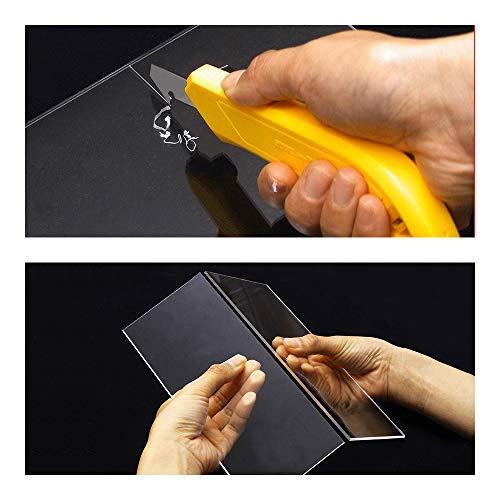
The basic method for cutting acrylic sheets is “scoring (grooving) + snap breaking.” Use a P-type (hook-shaped) blade cutter to repeatedly score grooves on the surface of the board, then snap it at the edge of a table once the groove is more than halfway through the thickness. For 2–3mm thick sheets, 5–8 scorings are the guideline; for 5mm or more, 10–15 or more scorings are needed.
The OLFA P-Cutter S-type (204B) is the standard entry-level model domestically and has sufficient performance for DIY work with thin acrylic sheets. For thick sheets, upgrading to the L-type (205B) is effective. The key to a clean straight cut is to firmly use a ruler and trace the same groove with consistent force.
② Scoring Cutter vs. Steel (Standard) Cutter Comparison
A scoring cutter (P-cutter) uses a P-type blade to score grooves for snapping. Since the blade carves grooves along the plastic, scoring from both sides of the board allows it to handle thick sheets. Benefits include minimal dust and cutting debris, and low tool strain.
A steel cutter (standard utility knife) is for thin materials (paper, thin film, soft plastic); using it to score hard acrylic or polycarbonate is dangerous as the blade slips. There are many cases of “tried to cut acrylic with a regular knife and got injured when the blade slipped,” so always use a plastic cutter with a P-type blade.
③ Cutting PVC (Vinyl) Boards and Polycarbonate Sheets
PVC boards (rigid PVC) can be cut using the same scoring technique as acrylic sheets. Since PVC is slightly more flexible than acrylic, snap breaking after scoring is relatively easy. OLFA P-Cutters, Tajima cutters with LB-70A blades, and NT M-500 are all compatible with PVC boards.
Polycarbonate sheets have higher toughness (tenacity) than acrylic and may not snap easily with scoring alone. For thick sheets 10mm or more, using an electric circular saw or jigsaw in combination is recommended. However, for thin polycarbonate 3mm or less, P-cutters can handle the job in some cases.
④ Cutting Aluminum Sheets and Aluminum Composite Boards
Thin aluminum sheets (approximately 0.5–1.5mm) and composite boards of aluminum and PE (polyethylene) can be cut with aluminum-compatible scoring cutters like the NT Cutter P-500GP. Firmly scoring grooves with a metal-compatible blade before snapping yields a clean cut surface with minimal bending.
For pure aluminum sheets 2mm or thicker or thick aluminum composite boards, a metal-use electric jigsaw or circular saw is needed. Since aluminum produces powder when cut, wearing protective eyewear during work is recommended.
⑤ DIY Grade vs. Professional Grade Comparison
DIY grade (household) tools center on entry-level models from OLFA, Acrysunday, and NT Cutter, in the price range of a few hundred to a few thousand yen. They can be easily purchased at general home improvement stores and online. They have sufficient performance for DIY acrylic crafts, shelf making, and partition construction.
Professional grade tools include durability-focused, metal-body models like Tajima’s LB-70A compatible cutters and the NT Cutter P-500GP. For daily-use environments like interior construction, sign making, and display manufacturing, investing in professional models with higher blade durability and body rigidity reduces long-term costs.
Material-Specific Cutting Thickness Reference Table | Acrylic / Aluminum / PVC / Polycarbonate / Plasterboard
A summary of thickness guidelines for each material and cutter compatibility. Scoring cutters (P-cutters) are mainly effective for “thin sheet” applications. Thick sheets require combined use with power tools.
Acrylic Sheet (PMMA): Scoring cutter effective up to approximately 8mm. 2–3mm: 5–8 scorings; 5mm: 12–15+ scorings. Over 8mm: electric jigsaw or circular saw recommended.
PVC Board (Rigid PVC): Scoring cutter effective up to approximately 5mm. Easier to snap than acrylic. Under 3mm can be handled with relatively fewer scoring passes.
Polycarbonate Sheet (PC): Scoring cutter effective up to approximately 3mm. High toughness makes it difficult to snap. Over 4mm: power tools recommended.
Thin Aluminum Sheet (Aluminum): Metal-compatible scoring cutter effective up to approximately 1.5mm. Over 2mm: metal-use saw or power tools recommended. Aluminum composite boards vary depending on composition.
Plasterboard (Drywall): Compatible with dedicated scoring cutters or regular utility knives. Plasterboard cutters (separate from P-cutters) are effective; scoring both sides then snapping allows rapid cutting on construction sites.
Top 3 Recommended Scoring Cutters for Acrylic Sheets | Clean Cuts with P-Type Blades
Three models specialized for scoring acrylic and polycarbonate sheets. From the S-type for entry-level thin sheets to the L-type for thick sheets — choose based on your use case and sheet thickness.
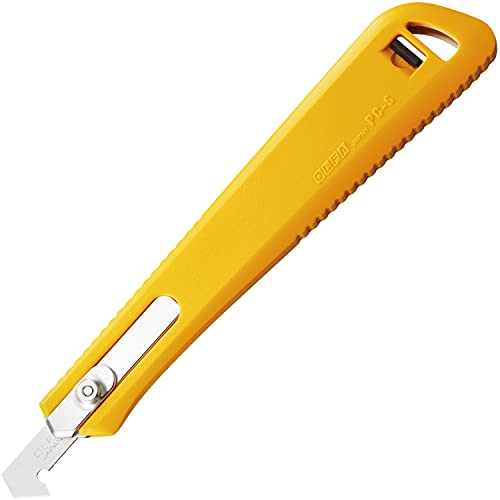
OLFA P-Cutter S-Type 204B for Acrylic and PVC Sheets


 Mena
MenaThe go-to tool for acrylic crafts. For thin sheets under 3mm, I like how easy it is to snap with just 5–6 scorings.
The OLFA P-Cutter S-Type 204B is a dedicated cutter for cutting rigid plastic sheets such as acrylic, PVC, and polycarbonate using the “scoring” technique. The special hook-shaped blade (P-type) carves deep grooves into the board surface, achieving a clean cut surface when snapped. The S-type is suited for cutting thin sheets.
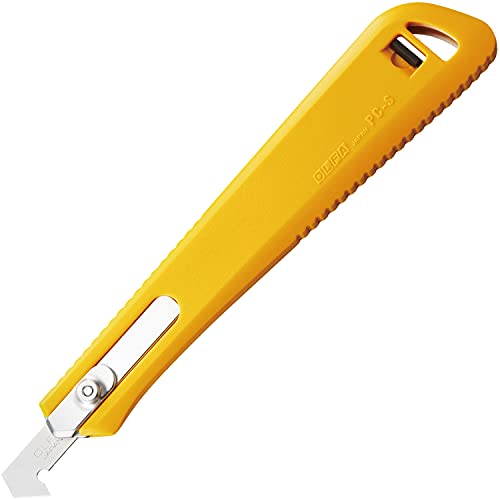
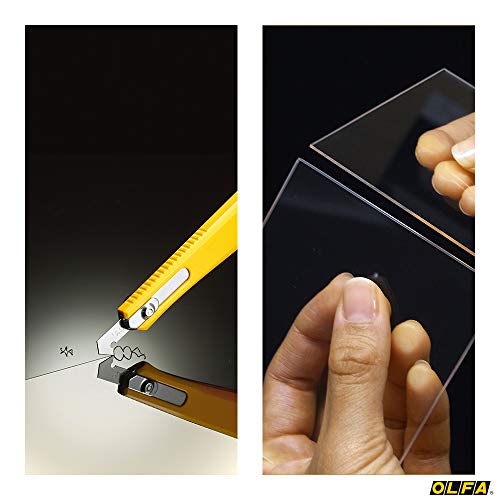
The P-type blade has a different shape from general cutter blades, specialized for scratching work (scoring). By scoring grooves the appropriate number of times based on the sheet thickness (approximately 5–8 times for 2–3mm sheets) before snapping, you get a clean cut surface without using a saw. It’s an essential tool for DIY enthusiasts making shelves, partitions, and signs from acrylic sheets.
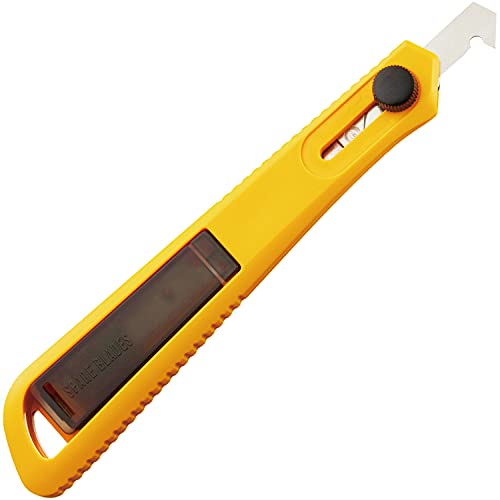
Replacement blades XB13 (5-pack) are compatible, allowing long-term use. OLFA products are widely distributed domestically, with high blade availability at home improvement stores and online retailers. If you’re choosing your first acrylic cutter, this S-Type 204B is the standard entry-level choice.
OLFA P-Cutter L-Type 205B Large Model for Thick Acrylic and PVC


 Mena
MenaFor cutting thick acrylic over 5mm, the L-type is the only choice. The easy-grip handle lets you apply force reliably.
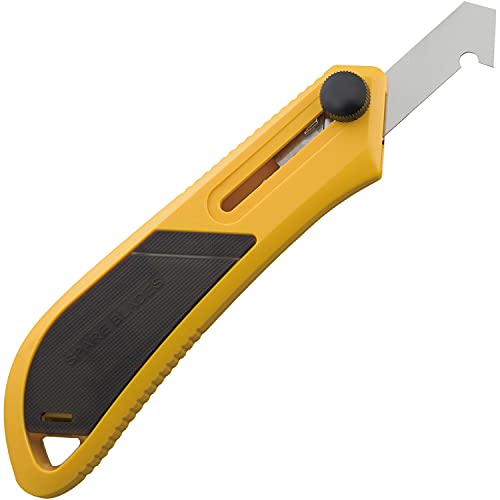
The OLFA P-Cutter L-Type 205B is an advanced model over the S-Type 204B, a large model compatible with scoring thick acrylic sheets, PVC boards, and rigid plastic sheets. The larger grip and stronger blade locking allow stable force application even when scoring thick materials.
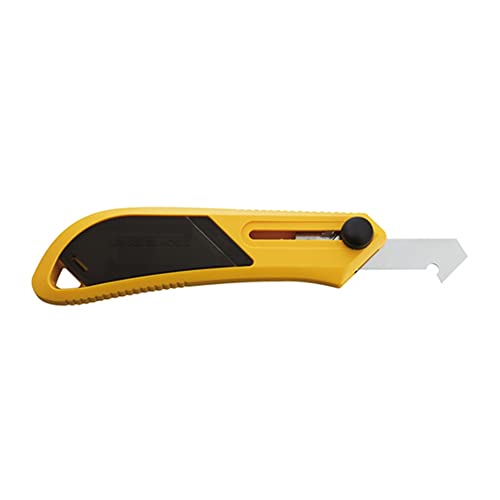
Compatible with P-800 replacement blades (XB17) — not interchangeable with S-type blades. The blade body can store 2 spare blades, letting you use it on-site without worrying about blade dullness. Suited for thick sheets 5mm or more, or professional and DIY users who cut large volumes of acrylic daily.
When scoring acrylic sheets, it’s important to firmly use a ruler to make straight, consistent grooves. The L-type’s large grip makes it easy to apply body weight, allowing consistent deep grooves in thick sheets. A trusted tool for handling thick acrylic in joinery, sign making, and display manufacturing.
Acrysunday Cutter 131254 Acrylic Sheet Dedicated

 Mena
MenaA cutter made by an acrylic sheet manufacturer. Being purpose-built means it works exceptionally well with acrylic and is hard to mess up even for beginners.
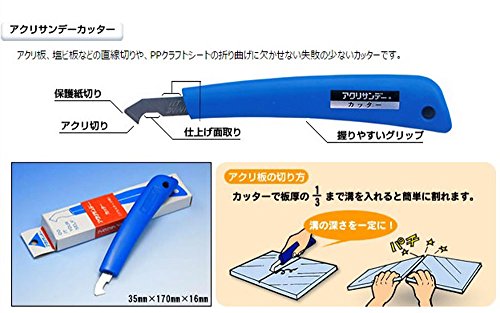
The Acrysunday Cutter is a dedicated acrylic sheet scoring cutter designed by Acrysunday Co., Ltd. — known for manufacturing and selling acrylic sheets — with a focus on compatibility with their own products. It’s a standard tool for acrylic DIY users, often used in combination with the company’s “Acrysunday BOND” adhesive and other products.
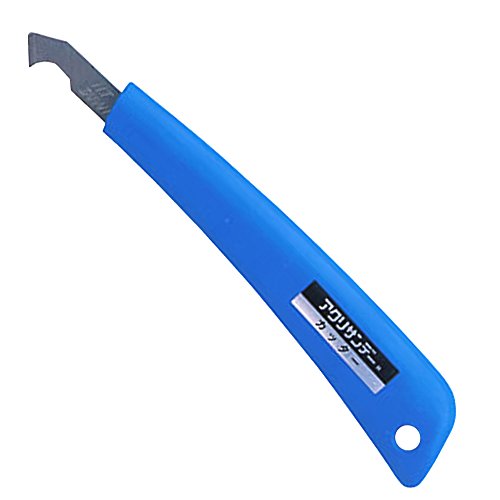
The blade shape is P-type (hook-shaped), capable of repeatedly scoring grooves of uniform depth into acrylic sheet surfaces. The grip design makes it relatively easy for beginners to apply consistent force when scoring, suited for beginner acrylic DIY. It handles cutting acrylic sheets approximately 2–5mm thick, with a blade angle that makes snap breaking easy.
The Acrysunday brand product lineup includes acrylic-dedicated products such as adhesives, polishing compounds, and cleaners, making it an ideal brand for beginners looking to start acrylic DIY with a complete set. Available at domestic home improvement stores and craft shops, replacement blades are also easy to obtain.
Top 4 Recommended Cutters for Rigid Plastic, PVC, and Aluminum
Four models compatible with multiple materials beyond acrylic, including PVC boards, aluminum sheets, and decorative panels. Selected from proven models from Tajima and NT Cutter.
Tajima Plastic Cutter LC701YBL Compatible with LB-70A Replacement Blades
 Mena
MenaTajima’s plastic cutter blades stay sharp for a long time. Guide it along a ruler and the grooves go in straight.
The Tajima Plastic Cutter LC701YBL is a scoring-type cutter compatible with cutting acrylic, PVC, rigid plastic, and polycarbonate sheets. The compatible replacement blade is LB-70A, compatible with Tajima’s cutter series.
Tajima is a major domestic manufacturer of tools for construction and interior work, and is highly regarded for their attention to blade material and shape. The LB-70A blade for plastic cutters is optimized for rigid plastic, with durability that resists chipping even with repeated scoring.
It’s widely supported by both craftsmen who use it for on-site processing of partition boards and interior plastic trim in building and interior construction, and home users who create shelves, dividers, and protective covers in DIY projects. Tajima products are widely distributed at domestic home improvement stores, and replacement blades are easily obtainable.
NT Cutter Plastic Cutter M-500 Compatible with PVC and Aluminum Sheets


 Mena
MenaThe NT M-500 is convenient for scoring aluminum sheets and PVC. It’s invaluable for on-site processing of decorative panels.
The NT Cutter M-500 is a plastic cutter compatible with cutting acrylic sheets, PVC boards, decorative panels, and thin aluminum sheets. NT Cutter (NT Co., Ltd.) is a veteran domestic blade manufacturer, offering a line of plastic cutters using proprietary scoring blades.

The M-500’s blade features versatility compatible with materials from plastic to thin aluminum sheets. Unlike the P-type blade of acrylic cutters, it can be used on a wide range of materials, making it useful in situations handling multiple materials such as interior construction, display manufacturing, and model making. Blade replacement can be done easily without tools.

Suited for users who want “one cutter that handles multiple thin sheet materials.” NT Cutter is very widely distributed domestically, available at various home improvement stores, stationery stores, and office supply shops. It’s a practical tool used across a wide range of situations, from professional interior contractors to simple crafts at schools and offices.
NT Cutter Replaceable Blade Plastic Cutter P-1P for Acrylic 2–3mm
 Mena
MenaEconomical with replaceable blades. Having this dedicated for thin acrylic 2–3mm expands your crafting options.
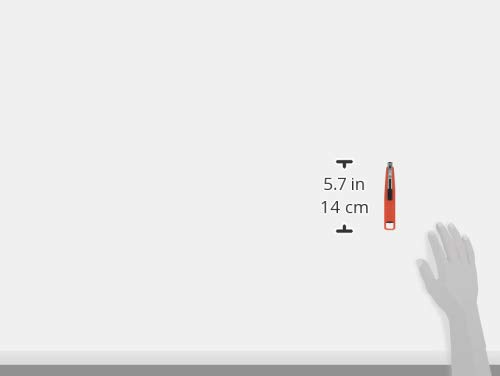
The NT Cutter P-1P is a plastic cutter with replaceable blades (P-type blade). Suited for scoring 2mm and 3mm thick acrylic sheets, featuring a compact size suited for DIY users and model and craft work.
Uses BP-400P replacement blades in a structure where you can replace when the blade dulls. With low purchase cost and a body you can use long-term by only replacing blades, it’s a cost-effective option for those who frequently cut acrylic sheets.
The P-1P’s compact grip is also suited for detailed work such as precision model making, art panels, and display manufacturing. You can compare with OLFA 204B/205B and choose based on your hand size and the thickness of the sheets you’re cutting.
NT Cutter Plastic Cutter Metal P-500GP for Aluminum Sheets
 Mena
MenaAll-metal body with high rigidity. Reliable for scoring aluminum sheets and decorative panels.
The NT Cutter P-500GP is a metal-body plastic cutter compatible with cutting aluminum sheets, acrylic, PVC, and decorative panels. The auto-lock mechanism prevents the blade from sliding when you release your finger, a safety design that prevents accidental injuries during work.
The metal body has high rigidity with minimal flex when applying force during scoring, enabling stable groove cutting. The harder body compared to general plastic cutters is advantageous for cutting aluminum sheets. Provides firm scoring even in DIY processing of thin aluminum sheets.
Suited for interior craftsmen, metal processing DIY users, and model makers who handle multiple materials. The durable metal body shows little deterioration even with daily professional use, serving as a reliably cutting tool over the long term.
Top 3 Recommended Specialty and High-Function Cutters | Electric Thermal, Circle Cutting, Aluminum Compatible
Three models for special applications beyond straight-line scoring. Tools like electric thermal cutting, circular cutting, and aluminum-compatible models that complement standard P-cutters.
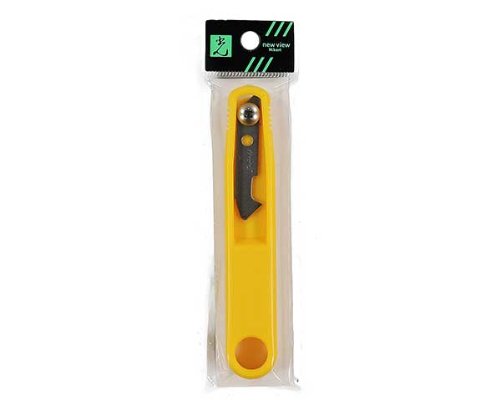
Hikari ACC-1 Acrylic Cutter Compatible with Both Aluminum and Acrylic


 Mena
MenaHikari’s ACC-1 is convenient because it works on both acrylic and aluminum. Design that draws on the expertise of a plastic manufacturer.
The Hikari ACC-1 is a scoring cutter compatible with both acrylic sheets and thin aluminum sheets. Hikari is a domestic manufacturer of acrylic and plastic materials for construction and interior use, designed to achieve optimal cutting in combination with their own acrylic sheets and PVC boards.
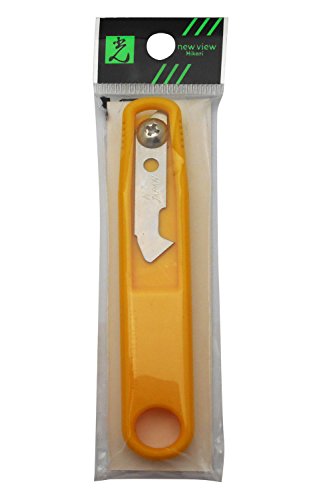
In addition to scoring acrylic sheets, it’s also compatible with scoring thin aluminum sheets (aluminum composite boards, aluminum flash panels, etc.), suited for interior, sign, and display work handling composite materials. Its versatility of being usable on two types of materials with a single tool is appreciated by on-site workers.
Using it in combination with Hikari’s acrylic sheets, PVC boards, and polycarbonate sheets allows scoring at the appropriate force suited to each material’s characteristics. It’s the ideal choice for those who “bought Hikari acrylic sheets and want to match the cutter to the same brand.”
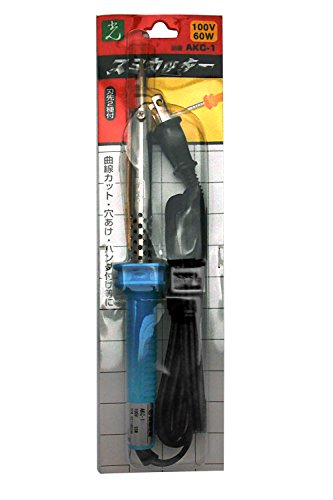
Hikari AKC-1 Electric Thermal Cutter Electric Processing Tool for Plastic


 Mena
MenaA special tool that cuts plastic by melting it with heat. Interesting for curved cuts and special shape processing.
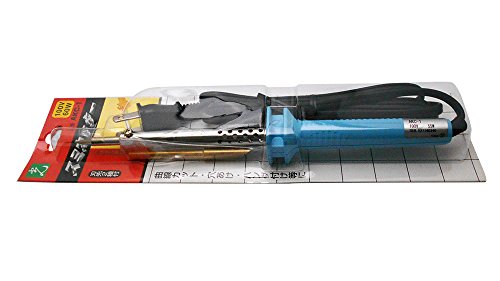
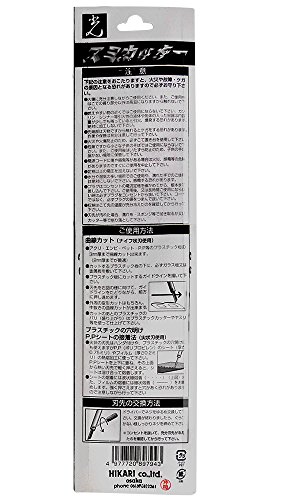
The Hikari AKC-1 is an electric thermal cutter (electric processing tool) that cuts plastic sheets by melting them using an electric heater. Curved cuts and complex shape processing that are difficult with regular scoring cutters become possible through electric heating.
After turning on the power and letting the heater warm up, you can cut by slowly applying the blade to the plastic board while advancing. Compatible with thermoplastic plastics such as acrylic, PVC, and ABS. Can also be used for drilling holes and inner cuts in complex shapes that can’t be achieved with the scoring method.
A tool that enables “special processing” for those who use acrylic or PVC as materials in DIY crafts, model making, and handmade accessory production. However, since melting plastic generates fumes, ventilation is essential when working indoors.
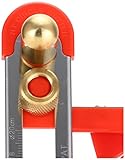
NT Cutter CP-1P Circle Cutter for Plastic Sheets and Acrylic


 Mena
MenaA cutter specialized for circular cuts in plastic sheets. Having this one tool makes circular cutting a breeze.
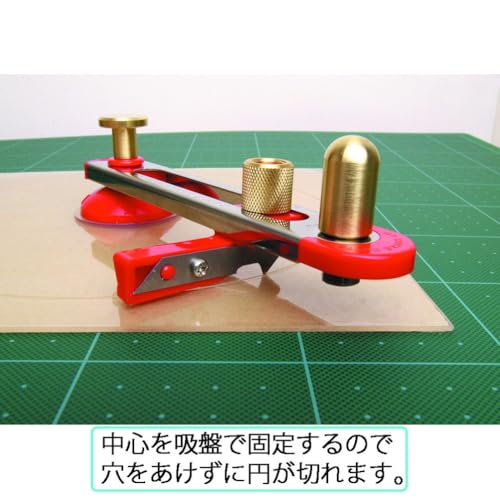
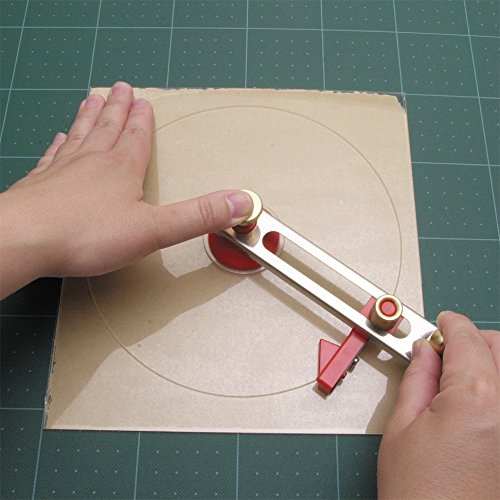
The NT Cutter CP-1P is a circle cutter for cutting plastic sheets (acrylic, PVC) into circular shapes. Fix a center pin as the pivot point, set the radius, and perform scoring while rotating like a compass.
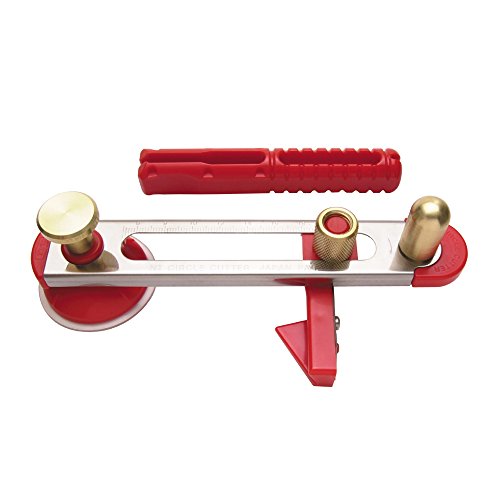
Useful when you want to make circular acrylic sheets (coasters, clock faces, lighting covers, etc.) or drill circular holes in plastic sheets. Perfect circles that are difficult freehand can be achieved with high reproducibility using just this one cutter.
Combined with straight-line scoring cutters (OLFA P-Cutters, NT M-500, etc.), you have a complete set for straight-line and circular processing. A specialized tool to have as “one more cutter” for those who work with acrylic sheets and PVC boards in DIY crafts, art, and display manufacturing.
Summary | Choosing Acrylic Cutters and Cutting Tools by Material and Thickness
The three axes for choosing acrylic cutters and material-specific cutting tools are: ① the type of material being cut, ② the thickness of the sheet, and ③ whether it’s for DIY or professional use.
For beginners to acrylic DIY: The OLFA P-Cutter S-Type 204B or Acrysunday Cutter are ideal. Both are easy to use for learning the scoring technique and available at home improvement stores.
For thick acrylic sheets and professional use: The OLFA P-Cutter L-Type 205B and Tajima LC701YBL are reliable choices. They have durability that holds up even with daily on-site use.
For cutting PVC and aluminum sheets too: The NT Cutter M-500 or P-500GP (metal) have an advantage in the breadth of compatible materials. They offer cost-effectiveness of handling multiple materials with a single cutter.
For special processing and curved cuts: The Hikari AKC-1 Electric Thermal Cutter (curved and complex shapes) and NT Cutter CP-1P Circle Cutter (perfect circle cuts) excel as dedicated tools.
The key to the scoring technique is “tracing the same groove repeatedly with consistent force using a ruler.” Making uniform grooves without rushing results in a clean snap at the cut line. We hope this tool selection guide helps with your acrylic and plastic material processing projects.