
Affiliate Disclosure: This article contains affiliate links. As an Amazon Associate and affiliate partner, I earn from qualifying purchases at no extra cost to you.
 メナ
メナHi, I’m Mena, a hybrid engineer working across both mechanical and electrical fields. This time I’m comparing smartwatches and fitness trackers — several brands released new models this year, so I rebuilt this comparison around the current lineups.
A lot of people aren’t sure what actually changes between a cheap band-style tracker and an expensive GPS watch, or between phone-tied flagships like Apple Watch and budget-focused options like Xiaomi or Amazfit. The short answer: as price goes up, you get better GPS accuracy, calling support, and more sensors — and at the top end, deeper integration with your phone’s OS (notifications, payments, ecosystem features).
This comparison spans everything from a $55 entry-level band to a $349 flagship GPS watch across 8 products. Looking at GPS, calling, battery life, and price alongside how deeply each one integrates with your phone should make it easier to figure out how much you actually need to spend.
The Short Answer: Which One for Which Budget
If you just want to try a tracker cheaply, go with the Xiaomi Smart Band 10 Pro. Want tap-to-pay built into a simple band? Fitbit Charge 6. Looking for your first full-feature smartwatch? Xiaomi Redmi Watch 6. iPhone user who wants deep ecosystem integration? Apple Watch SE 3. Android user? Google Pixel Watch 4. Don’t want to compromise on GPS or features at all? GARMIN vivoactive 6.
| Product | Key feature | Extra feature | Price (approx.) | Best for |
|---|---|---|---|---|
| Xiaomi Smart Band 10 Pro | Band-style, built-in GNSS | Up to 21-day battery | Around $55 | Cheapest way to try a tracker |
| Xiaomi Redmi Watch 6 | Built-in GPS, calling | Up to 24-day battery | $119.99 | First full-feature smartwatch |
| Amazfit Bip 6 | GPS, voice control, offline maps | Up to 14-day battery | $79.99 | Feature-heavy on a budget |
| Fitbit Charge 6 | Google Wallet, band-style | Google integration (Maps/YouTube Music) | $159 | Wants tap-to-pay in a band |
| HUAWEI WATCH FIT 5 | Thin, water-resistant, calling | 2,500-nit brightness, mini-stretch coach | Varies by listing | Wants design and everyday utility |
| Apple Watch SE 3 | iPhone-optimized flagship | Always-on display, temperature sensor | $249 | iPhone integration is the priority |
| Google Pixel Watch 4 | Android/Google-optimized | Actua 360 curved display, Gemini | $349 | Android and Pixel users |
| GARMIN vivoactive 6 | Garmin Pay, top-tier GPS | 80+ sport profiles | $299.99 | Won’t compromise on GPS or features |
8 Smartwatches and Fitness Trackers, Compared
Xiaomi Smart Band 10 Pro

 メナ
メナAdding built-in GNSS just half a year after the previous Smart Band 10 caught me off guard — that’s a lot of capability packed into a band-style tracker.
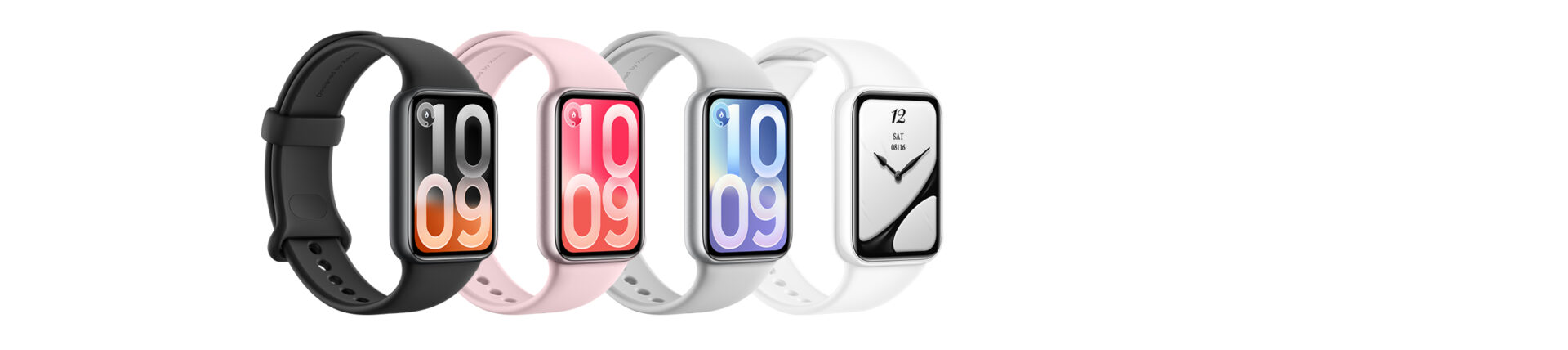
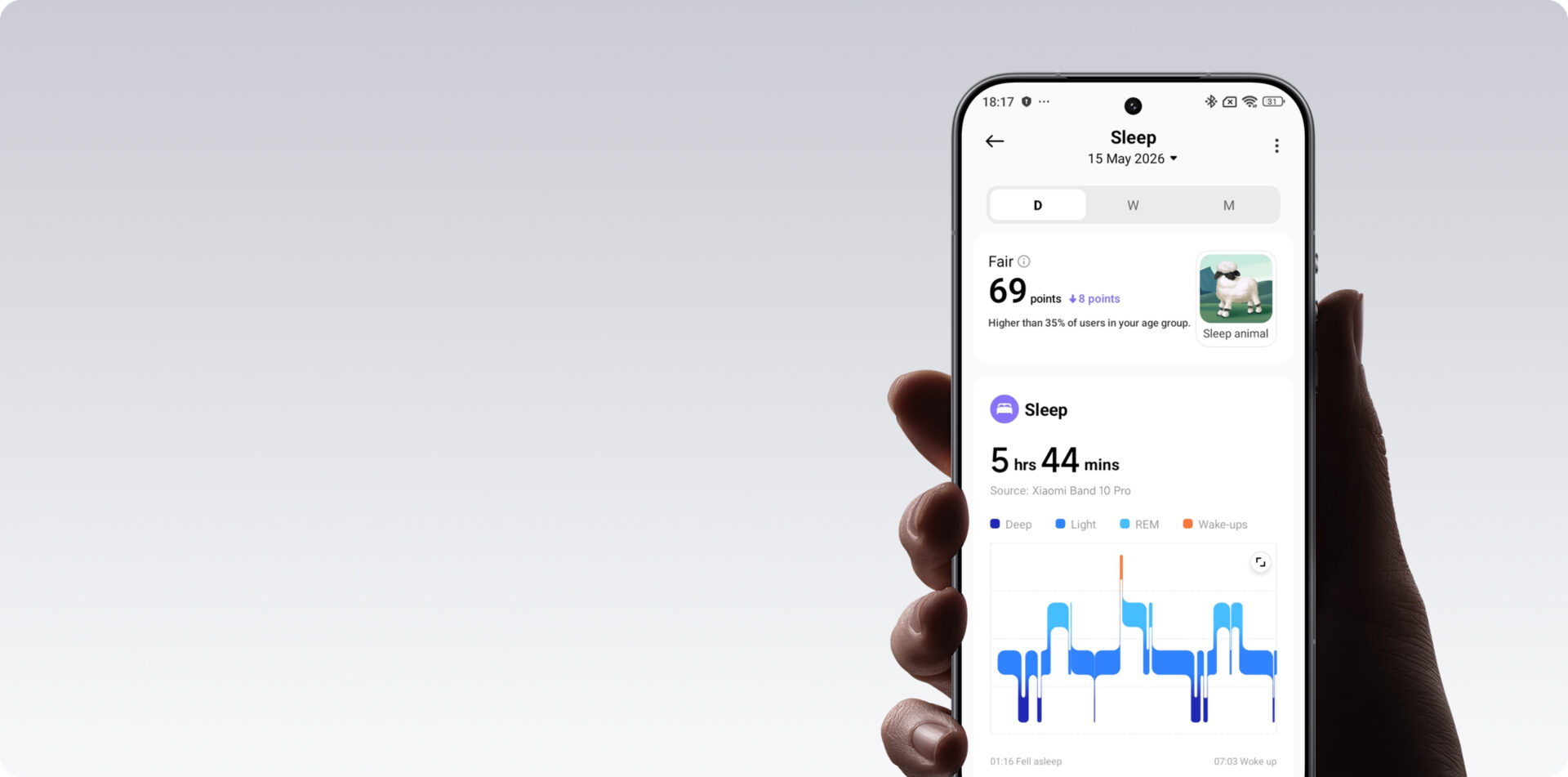
The Smart Band 10 Pro is the successor to the Smart Band 10, newly adding standalone GNSS (satellite positioning). It has a 1.74-inch AMOLED display and tracks heart rate, blood oxygen, and sleep HRV around the clock. It’s a solid entry point if you want something cheap that still tracks your own position without a phone nearby.
At just 9.7mm thick, it’s light enough to wear overnight without noticing it. Unlike the previous model, which relied on your phone for location, the Pro can log a route on its own. It skips calling (that’s reserved for the step-up Redmi Watch 6), so think of this as purely a fitness tracker with GPS bolted on, not a phone replacement.
Xiaomi Redmi Watch 6
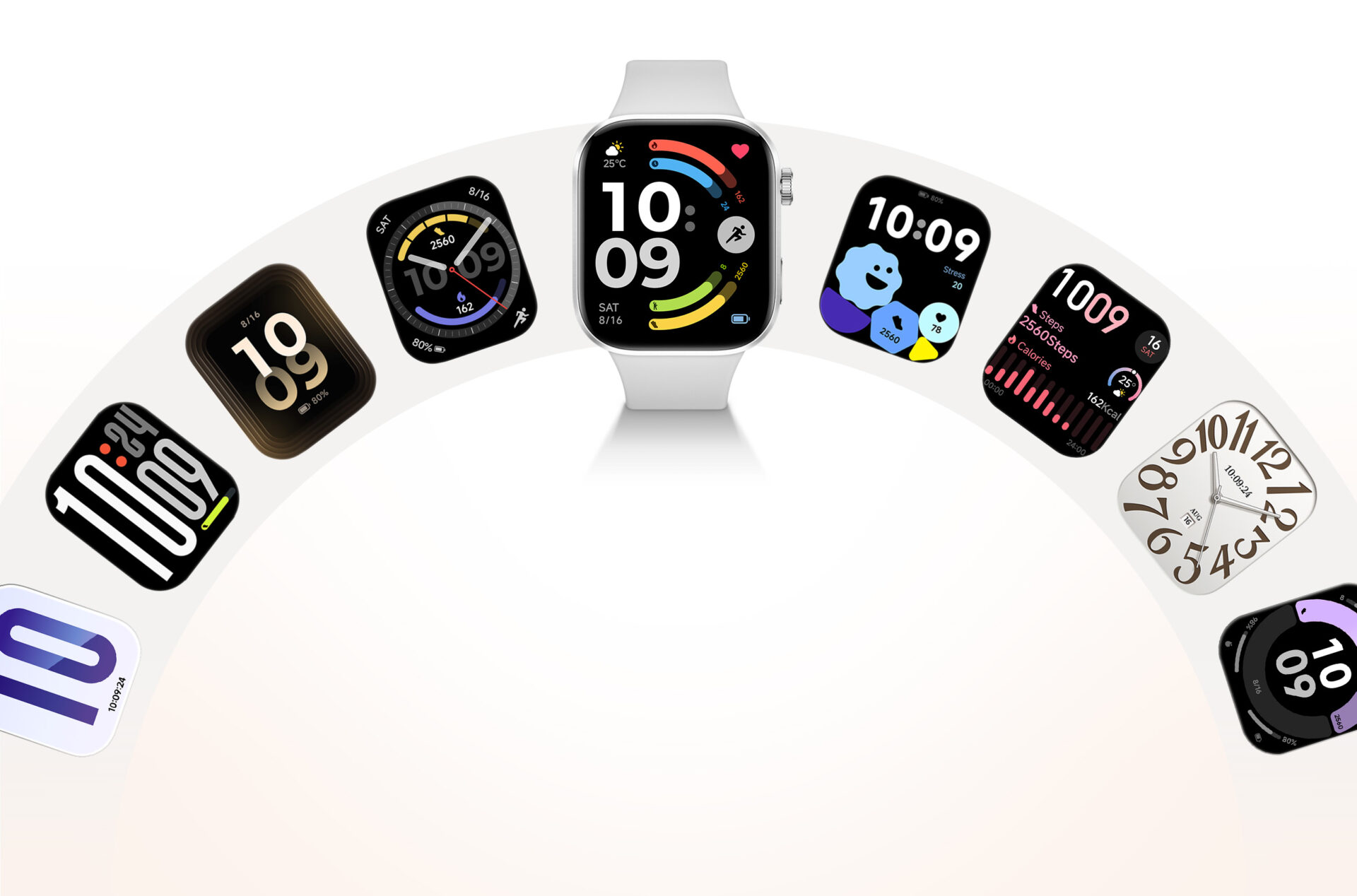
The Redmi Watch 6 keeps the built-in GNSS and Bluetooth calling from its predecessor while slimming down to 9.9mm. Its 2.07-inch AMOLED display is large enough to read notifications comfortably, and you can take calls without pulling out your phone.
Battery life runs up to roughly 24 days on typical use, so charging rarely becomes a chore. Having GPS and calling at this price point is a genuinely strong value proposition — the tradeoff is that watch face customization is a bit more limited than pricier brands. With 150+ sport modes plus heart rate, SpO2, and sleep tracking, it’s a solid baseline pick for a first full-feature smartwatch.
Amazfit Bip 6
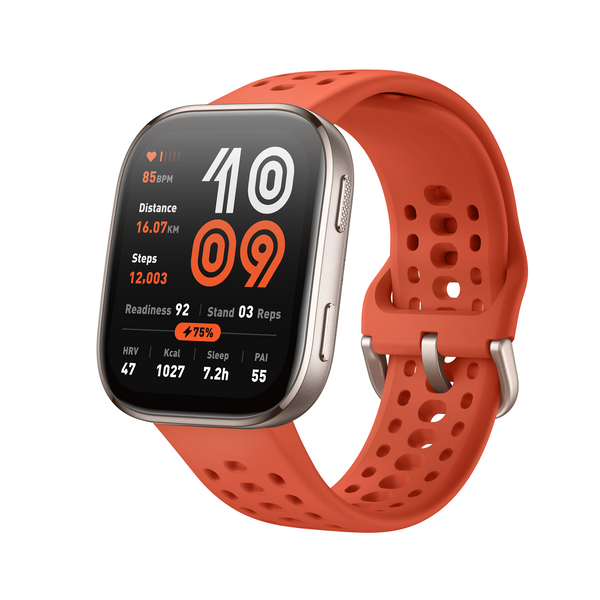
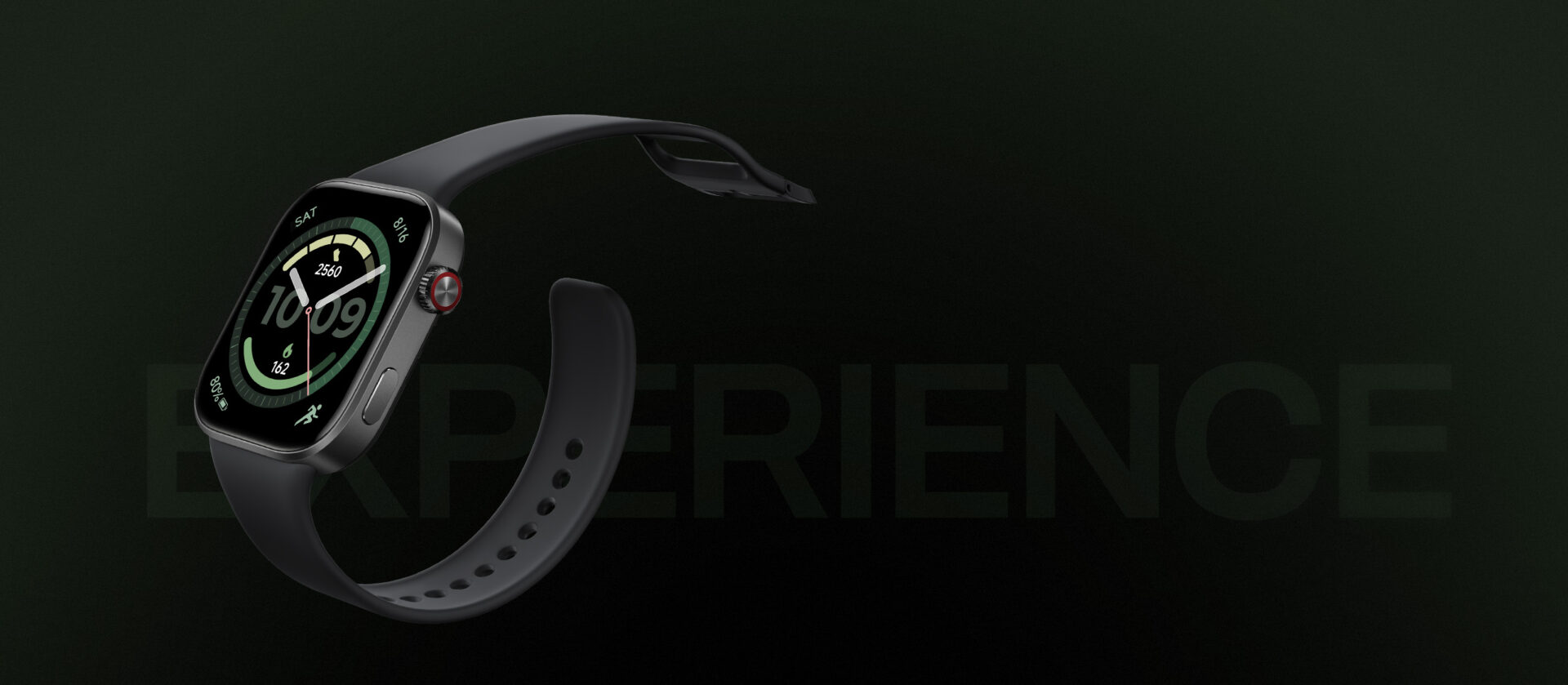
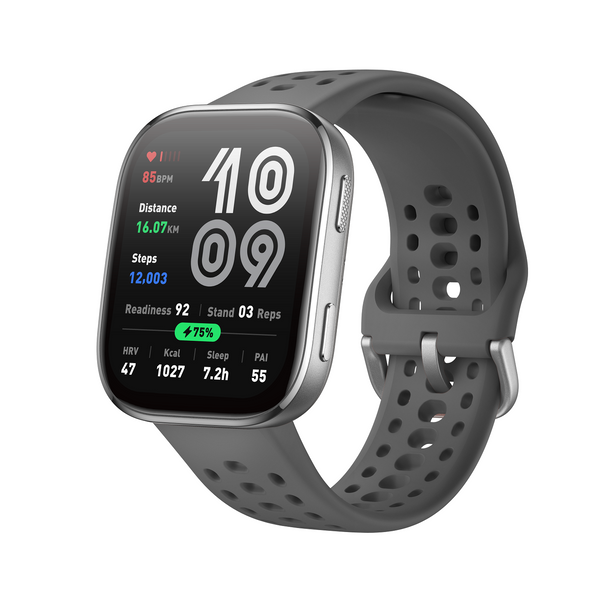
The Amazfit Bip 6 packs a 2,000-nit display, built-in GPS, and AI voice control, plus offline maps so you can navigate a run or hike without your phone at all. Even next to the newer releases from other brands this year, it’s still one of the most feature-dense options at this price.
It supports 140+ sport modes and covers everything from daily health tracking to serious workout logging. One thing worth flagging: pricing on Amazon listings for this model can be inconsistent, so it’s worth cross-checking the current price before buying.
Battery life runs up to 14 days, which suits anyone who doesn’t want to charge constantly. GPS, voice control, and offline maps all included at this price is a genuinely strong deal.
Fitbit Charge 6
 メナ
メナHaving tap-to-pay built into a plain band is more useful day-to-day than it sounds — and the Google Maps/YouTube Music integration is a nice touch for a band-style tracker.
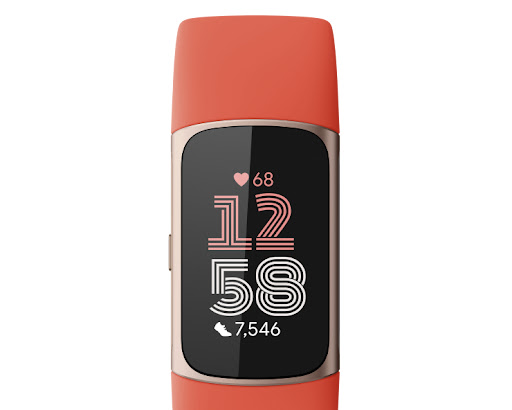
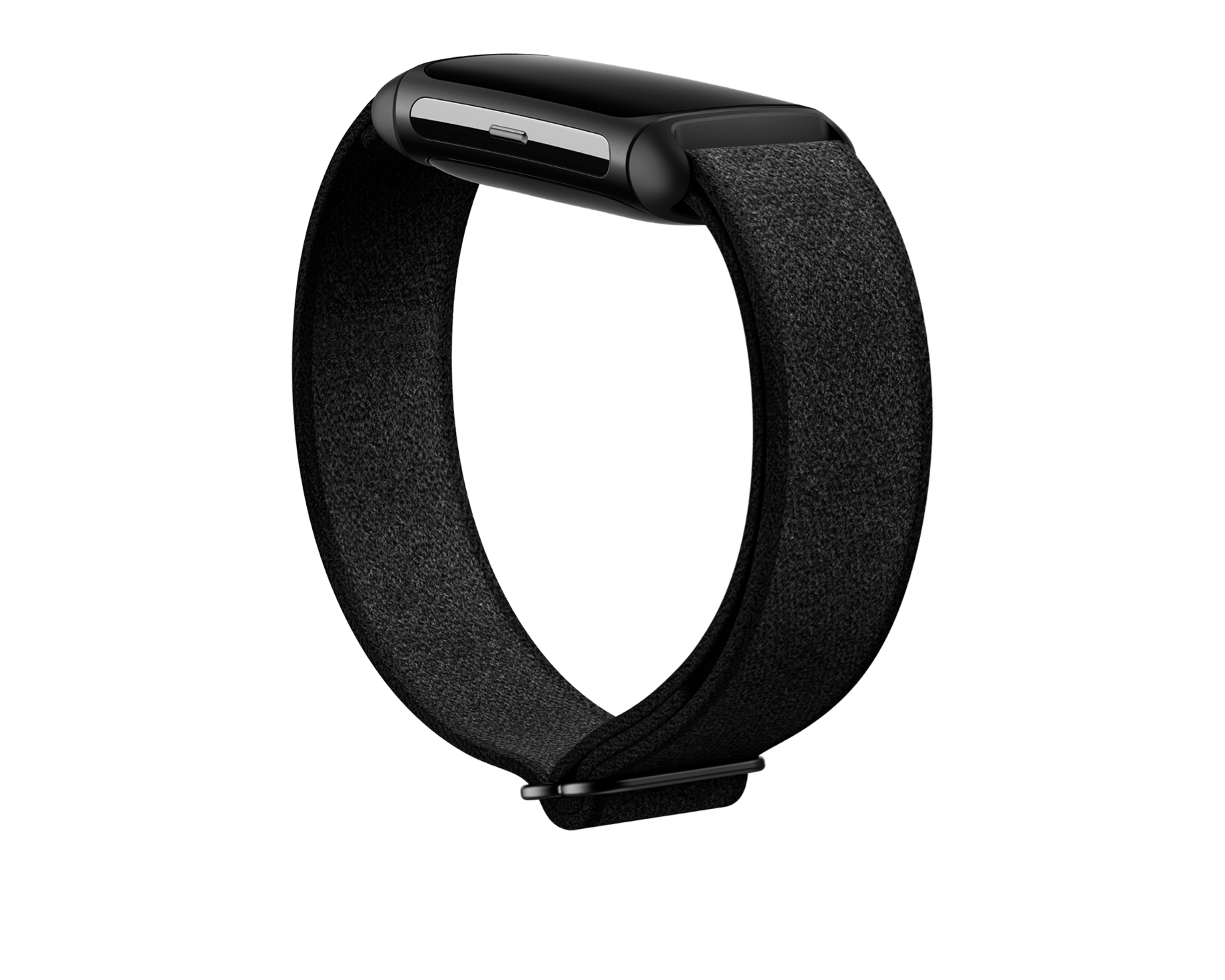
The Fitbit Charge 6, from Google-owned Fitbit, is a band-style tracker whose standout feature is Google Wallet support — you can tap to pay in-store or on transit without carrying a card. Beyond heart rate, sleep, and stress tracking, it has built-in GPS so you can log a run without your phone.
It also integrates with Google Maps and YouTube Music, which pairs especially well with Android phones. Battery life tops out around 7 days — standard for a GPS-equipped band. Compared to the other models here, the display is smaller and it has fewer sport modes, but Google Wallet support is a differentiator none of the others match at this price.
HUAWEI WATCH FIT 5
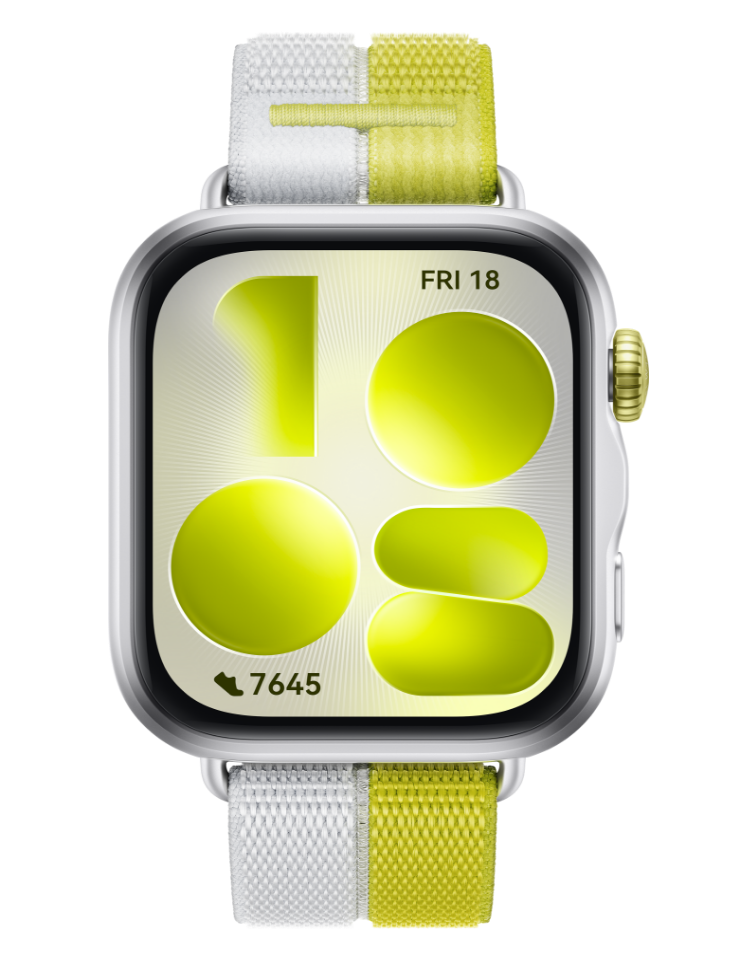
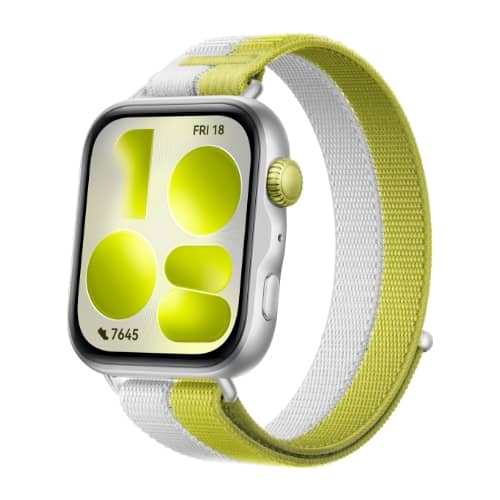
The WATCH FIT 5 succeeds the WATCH FIT 4 with a brighter, thinner design. Its 1.82-inch AMOLED display now hits 2,500 nits peak brightness, a real improvement for outdoor visibility over the previous model. It also supports Bluetooth calling, so you can talk without reaching for your phone.
A new “mini-stretch” feature suggests 30 stretches across 10 body areas on the spot. Some of the more advanced sensor features from HUAWEI’s higher-end GT series are trimmed down here, so serious training analytics aren’t this watch’s strength.
Battery life runs up to about 10 days on typical use. If you want a watch that balances design with everyday practicality rather than deep fitness analytics, this is a solid pick.
Apple Watch SE 3
 メナ
メナAn always-on display finally landing on the SE line is honestly overdue — for iPhone users, the tightness of notification and app integration is hard to replicate elsewhere.
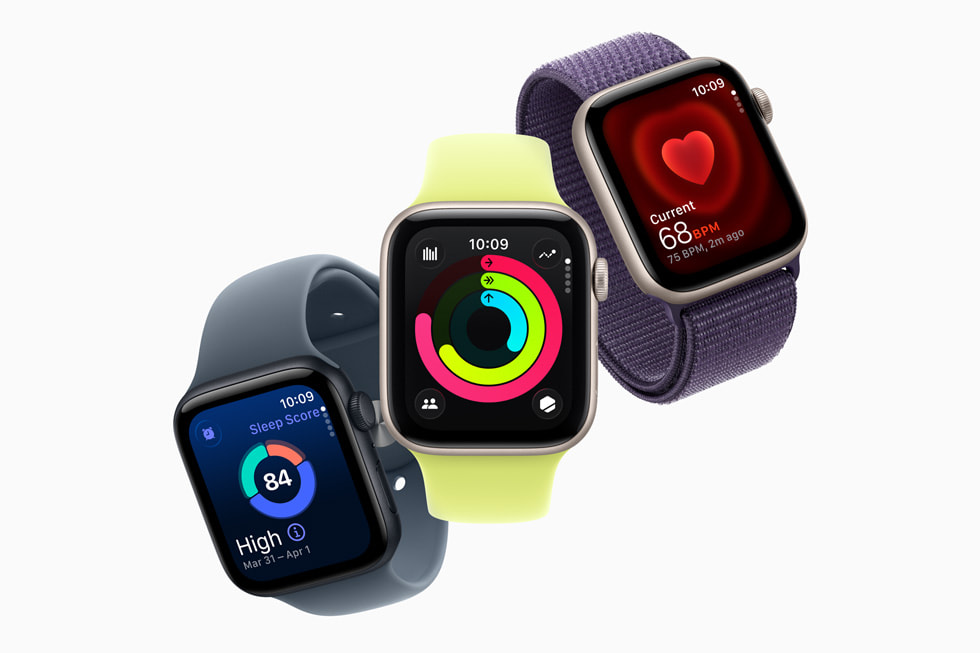
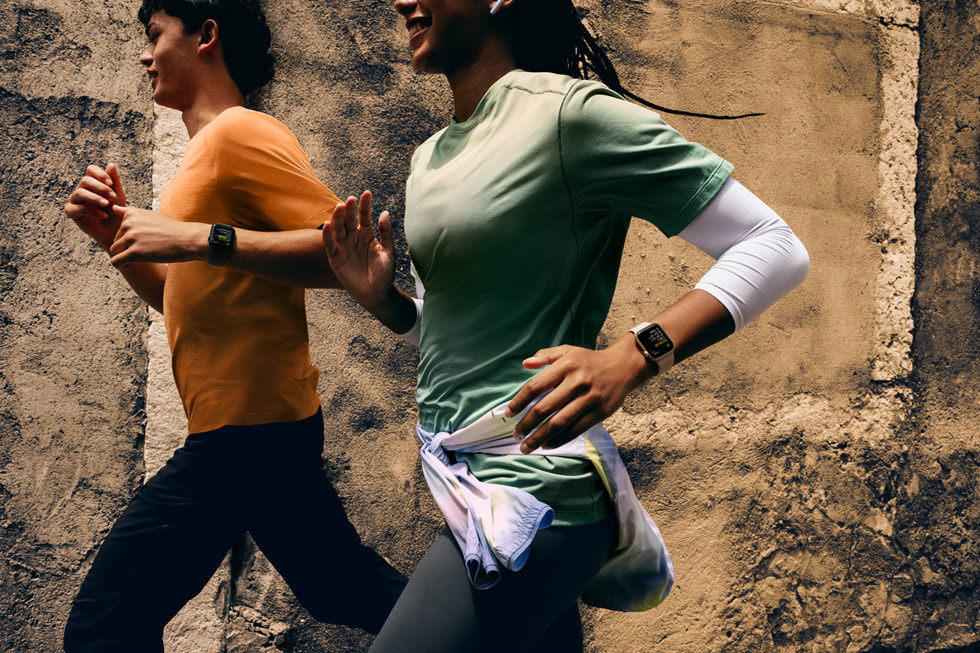
The Apple Watch SE 3 is Apple’s entry-level model, now with an always-on Retina display. Its biggest strength is tight integration with iPhone: calls, messages, maps, and Apple Pay all work seamlessly. Every other watch in this comparison works with Android or generic phones — this one requires an iPhone.
It adds a temperature sensor to help track health trends overnight, and the display glass is rated 4x more scratch-resistant than the previous generation. Battery life runs up to about 18 hours in typical use (32 hours in low power mode) — noticeably shorter than the “days” figures from the other watches here, and daily charging is effectively a given. Worth stating plainly up front.
Google Pixel Watch 4
 メナ
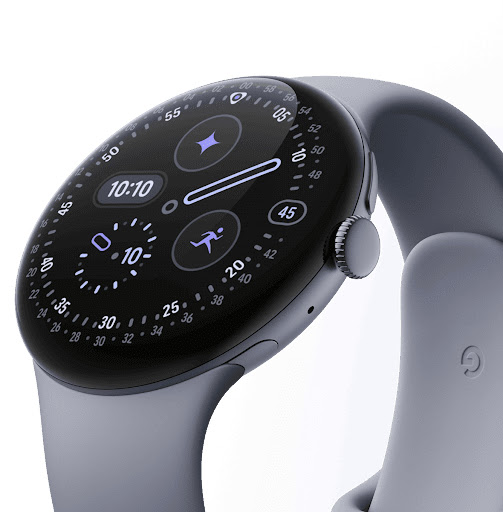
メナThe curved “Actua 360” display genuinely reduces how much bezel you notice in person — the circular screen feels more immersive than the spec sheet suggests.
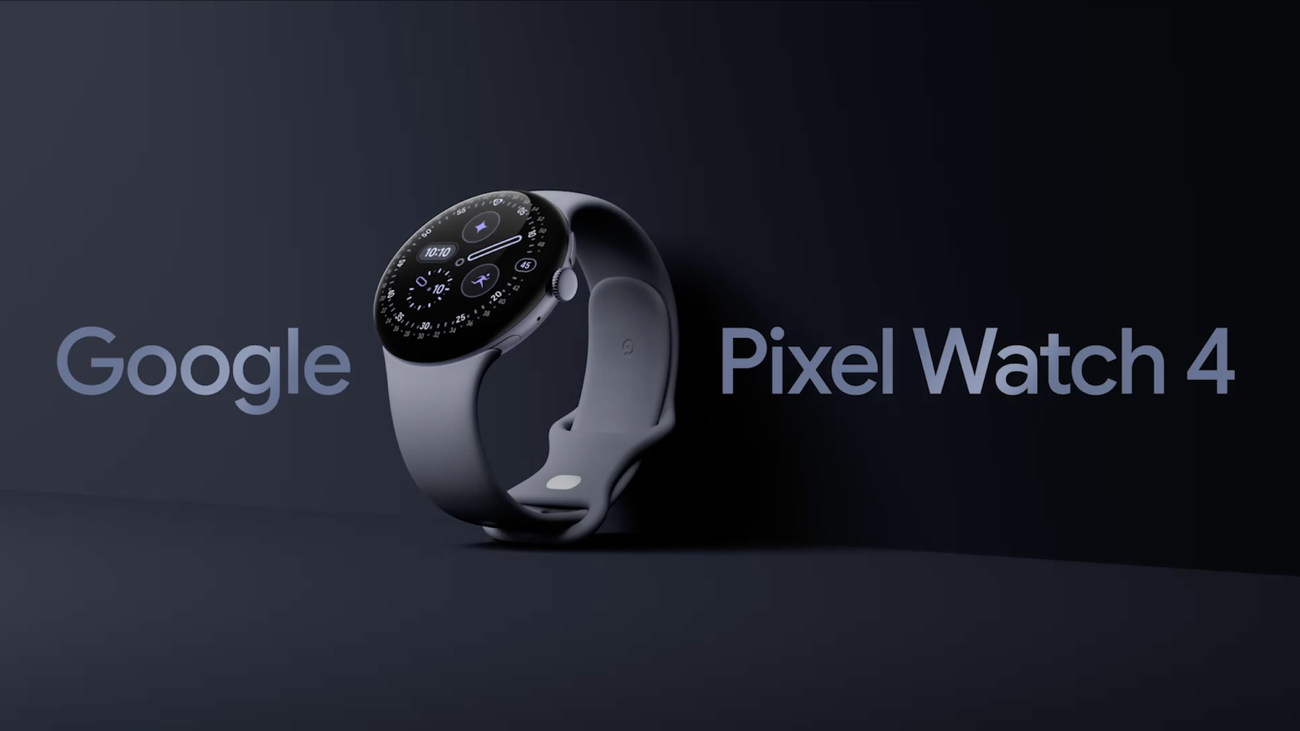
The Google Pixel Watch 4 is Google’s Android-optimized flagship. Its “Actua 360” display isn’t just curved glass — the panel itself physically curves, cutting bezel width by 16% versus the previous model while enlarging the visible display. Peak brightness is up 50% to 3,000 nits.
Deep integration with Google Maps, Gemini, and Google Home means Android users get seamless notifications, replies, and navigation. Battery runs up to 30 hours (41mm) or 40 hours (45mm) — similar to the Apple Watch SE 3’s daily-charge pattern — but 15 minutes of fast charging recovers about 15 hours, which takes some of the sting out of that tradeoff.
GARMIN vivoactive 6
 メナ
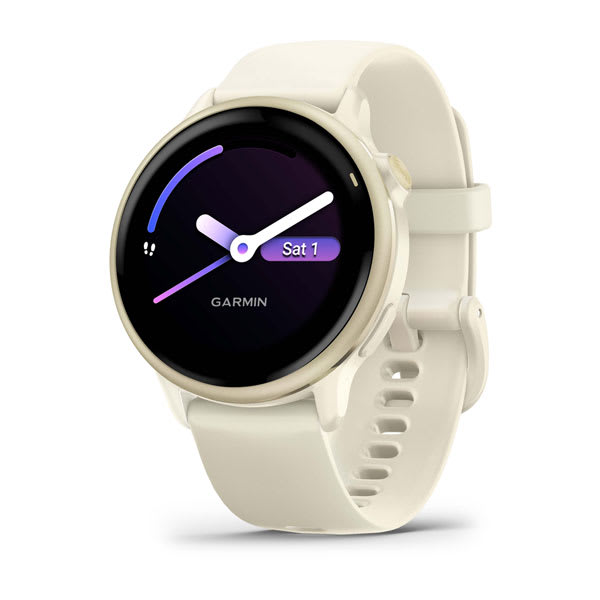
メナBeing able to tap through transit gates with Garmin Pay is something I’ve genuinely relied on while traveling. The jump from 30+ to 80+ sport profiles over the last generation is a quiet but meaningful upgrade too.
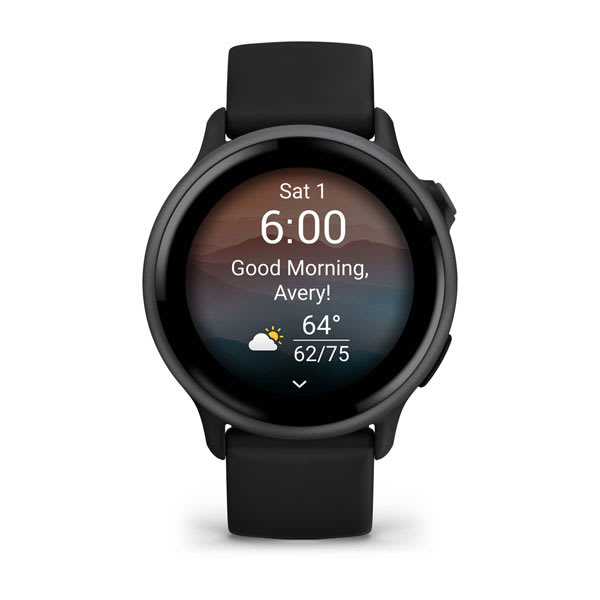
The GARMIN vivoactive 6 succeeds the vivoactive 5, expanding sport profiles from 30+ to 80+. Its 1.2-inch circular AMOLED touchscreen is bright and easy to read, and Garmin Pay lets you tap to pay just like the other contactless-enabled watches here.
It tracks sleep, blood oxygen, stress, and more, and a new “smart wake alarm” times your wake-up to your sleep cycle. Honestly, this is the most expensive of the 8 products here — if you just want to get started cheaply, it’s probably more watch than you need.
Its strength is the sheer breadth of sport profiles combined with detailed analysis through the Garmin Connect app. Recommended if budget isn’t the deciding factor and you want the most serious fitness-tracking watch of the bunch.
The Basics: GPS, Heart-Rate Sensors, Water Resistance, and Ecosystems
Spec sheets listing “built-in GPS,” “5ATM,” or “AMOLED” don’t always convey what actually matters day to day, so here’s a quick rundown of what to actually pay attention to.
Standalone GPS vs. phone-dependent tracking
A watch with a built-in GPS/GNSS chip can log an accurate route, distance, and pace without your phone nearby. All 8 watches here support some form of standalone positioning, but running the GPS chip continuously drains the battery much faster than typical daily use — the “GPS continuous use” runtime is always shorter than the “typical use” battery figure. Amazfit Bip 6 rates 32 hours of continuous GPS use, and GARMIN vivoactive 6 rates 21 hours GPS-only (17 hours with all satellite systems, dropping to around 8 hours with music playback) — both far below their headline “14-day” and “11-day” typical-use figures.
Heart rate and SpO2 sensors
Nearly every smartwatch uses an optical (PPG) sensor: LEDs shine light into your skin and estimate your pulse from how the reflected light changes with blood flow. Wrist tightness, arm hair, skin tone, and temperature can all introduce error, and none of these consumer wearables (including Apple Watch SE 3) carry medical-device certification — treat the heart-rate and SpO2 numbers as reference values, not diagnostic ones.
Water resistance ratings
“5ATM” (and Apple’s “50m water resistant”) both refer to an international standard (ISO 22810:2010) for withstanding static water pressure equivalent to 50m depth. That covers swimming and showers, but not saunas, hot baths, or high-pressure diving — every brand here states the same caveat.
Ecosystem lock-in
Apple Watch SE 3 requires an iPhone. Google Pixel Watch 4 works best with Android, especially Pixel phones. Xiaomi, Amazfit, HUAWEI, Fitbit, and Garmin all support both iOS and Android, which matters if you don’t want to be locked to one phone brand. Contactless payment is available on Fitbit Charge 6 (Google Wallet) and GARMIN vivoactive 6 (Garmin Pay) among this group — Apple Watch SE 3 uses Apple Pay and Google Pixel Watch 4 uses Google Pay, which run on separate payment rails from Google Wallet-on-Fitbit.
Frequently Asked Questions
Does it matter whether a watch has built-in GPS?
Yes — a watch with standalone positioning can log an accurate route, distance, and pace without your phone nearby. Watches without it can still log rough activity via your phone, but aren’t suited to serious solo running or hiking tracking.
How accurate are the heart rate and SpO2 numbers?
All of these are optical (PPG) sensor estimates, not medically certified readings (Apple Watch SE 3 included). Wrist fit, motion, and temperature can all introduce error — treat them as reference numbers for general health tracking, not a basis for diagnosis.
Can I wear a 5ATM watch in a hot spring or sauna?
No. 5ATM/50m water resistance covers static water pressure for swimming and showers, but not high-temperature environments like saunas or hot springs, or high-pressure diving. Heat and humidity can also accelerate gasket wear over time.
Which of these support contactless payment?
Fitbit Charge 6 (Google Wallet) and GARMIN vivoactive 6 (Garmin Pay) both support tap-to-pay directly from this comparison. Apple Watch SE 3 uses Apple Pay and Google Pixel Watch 4 uses Google Pay — different payment rails, but the same tap-to-pay convenience.
Does it work with both iPhone and Android?
Xiaomi, Amazfit, HUAWEI, Fitbit, and Garmin all support both iOS and Android. Apple Watch SE 3 requires an iPhone, and Google Pixel Watch 4 is Android-only (with the best experience on Pixel phones specifically). If you don’t want to be tied to one phone brand, pick from the first five.
メナThe higher the price climbs across these 8, the more “how much you can track” and “how tightly it ties into your phone” both expand — that was my honest takeaway comparing them side by side.
Summary
We compared 8 smartwatches and fitness trackers across GPS, calling, battery life, price, and ecosystem integration. Even a $55 band-style tracker handles day-to-day health tracking fine, and a $349 flagship GPS watch can handle serious running and hiking analysis.
Want to try cheaply? Xiaomi Smart Band 10 Pro. Want tap-to-pay built in? Fitbit Charge 6. Want full features? Xiaomi Redmi Watch 6 or Amazfit Bip 6. Prioritizing iPhone or Android integration? Apple Watch SE 3 or Google Pixel Watch 4. Don’t want to compromise on GPS? GARMIN vivoactive 6. Consider your budget and how seriously you want to track your fitness, and the right pick should be clear.