
Affiliate Disclosure: This article contains affiliate links. If you make a purchase through these links, we may earn a commission at no additional cost to you.
 メナ
メナI’m an electrician who also wrenches on my own bike, and picking an engine oil used to mean grabbing whatever was on the shelf. After actually comparing specs across genuine and aftermarket options, here’s what I’ve learned.
This guide compares 7 real, currently-sold motorcycle engine oils and oil-change accessories from Yamalube, Pro Honda, MOTUL, Castrol, and Lisle — by viscosity, synthetic grade, and value.
Short version: start with a genuine oil (Yamalube or Pro Honda) while you’re still in the break-in period, then step up to MOTUL or Castrol once your riding style settles in.
7-Product Comparison
At a glance.
| Product | Viscosity | Type | Best for |
|---|---|---|---|
| Yamalube RS4GP | 10W-40 | Full synthetic | Yamaha owners wanting genuine MotoGP-derived oil |
| Pro Honda HP4 | 10W-40 | Semi-synthetic | Budget-friendly genuine oil, frequent changes |
| MOTUL 300V 4T | 10W-40 | 100% synthetic (Ester) | Track days, aggressive riding |
| Castrol Power1 | 10W-40 | Full synthetic | Global performance brand, step-up pick |
| Lisle 54400 | — | Filter wrench | Cartridge filters that won’t budge by hand |
| Lisle 19912 | — | Funnel set | Spill-free fills on narrow fill necks |
| Hopkins FloTool 11849MI | — | Recycle jug | Clean, leak-free used-oil transport |
4 Motorcycle Engine Oils, Compared
Yamalube RS4GP 10W-40 — Yamaha’s MotoGP-derived genuine racing oil


| Viscosity | 10W-40 |
| Type | Full synthetic |
| Spec | JASO MA2 |
メナTechnology fed back from Yamaha’s factory MotoGP program — a reasonable first oil once the break-in period is done.
Yamalube RS4GP is Yamaha’s genuine motorcycle-specific oil, built with technology fed back from Yamaha’s racing program. High-performance synthetic base oils and shear stabilizers keep the oil film intact under high load and high RPM.
JASO MA2 rated for wet-clutch compatibility across sport-oriented Yamaha models. A genuine oil is a safe default when you’re unsure what to run, and it lines up well with dealer service intervals.
Pro Honda HP4 10W-40 — Honda’s genuine semi-synthetic, budget-friendly pick
| Viscosity | 10W-40 |
| Type | Semi-synthetic blend |
| Spec | API service rated |
メナBlends synthetic heat stability with mineral-oil lubricity — a practical everyday choice if you change oil often.
Pro Honda HP4 blends the heat stability and shear resistance of synthetic oil with the natural lubricity of mineral oil, approved for use across Honda’s powersports lineup.
Priced below full-synthetic options, it’s a solid pick for riders who change oil frequently on a street bike and don’t need racing-grade performance every time.
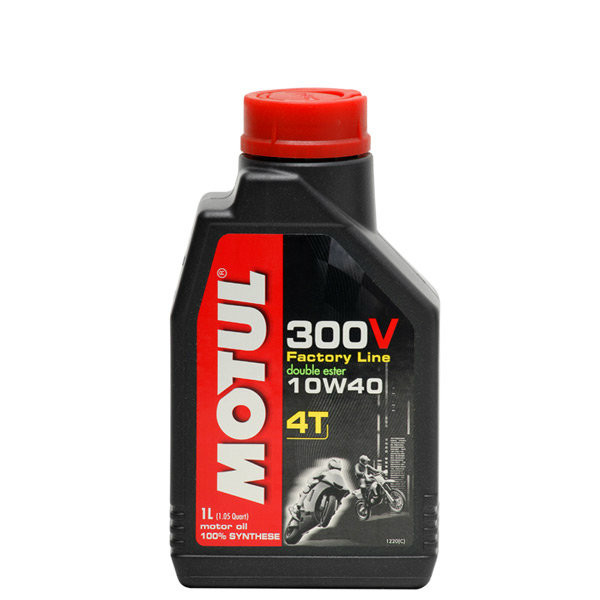
MOTUL 300V 4T 10W-40 — Ester-core racing oil used in factory MotoGP machines
| Viscosity | 10W-40 |
| Type | 100% synthetic (Ester Core) |
| Positioning | Racing-grade |
メナThis is what’s in factory MotoGP machines — a genuinely global product, officially distributed in the US (not a parallel import here).
MOTUL 300V is a racing-grade oil supplied to factory MotoGP teams, built on a 100% synthetic Ester Core base for strong oil-film retention at high temperature and high RPM.
Unlike some overseas markets where 300V shows up as a parallel import, it’s officially distributed in the US through Motul’s own regional operation and mainstream retailers.
Castrol Power1 4T 10W-40 — Global full-synthetic pick with race-derived tech

| Viscosity | 10W-40 |
| Type | Full synthetic |
| Spec | API SN, JASO MA-2 |
メナTRIZONE tech covers engine, clutch, and gearbox in one oil — a solid step-up pick once you’re past the genuine-oil stage.
Castrol Power1 is a full-synthetic 4-stroke oil built with race-derived technology and Castrol’s TRIZONE Technology, protecting the engine, clutch, and gearbox as one shared oil system.
Meets API SN and JASO MA-2 standards. Widely stocked at major US retailers, it’s a reasonable step up once you’ve outgrown genuine oil and want a global performance brand.
3 Accessories That Make Oil Changes Easier
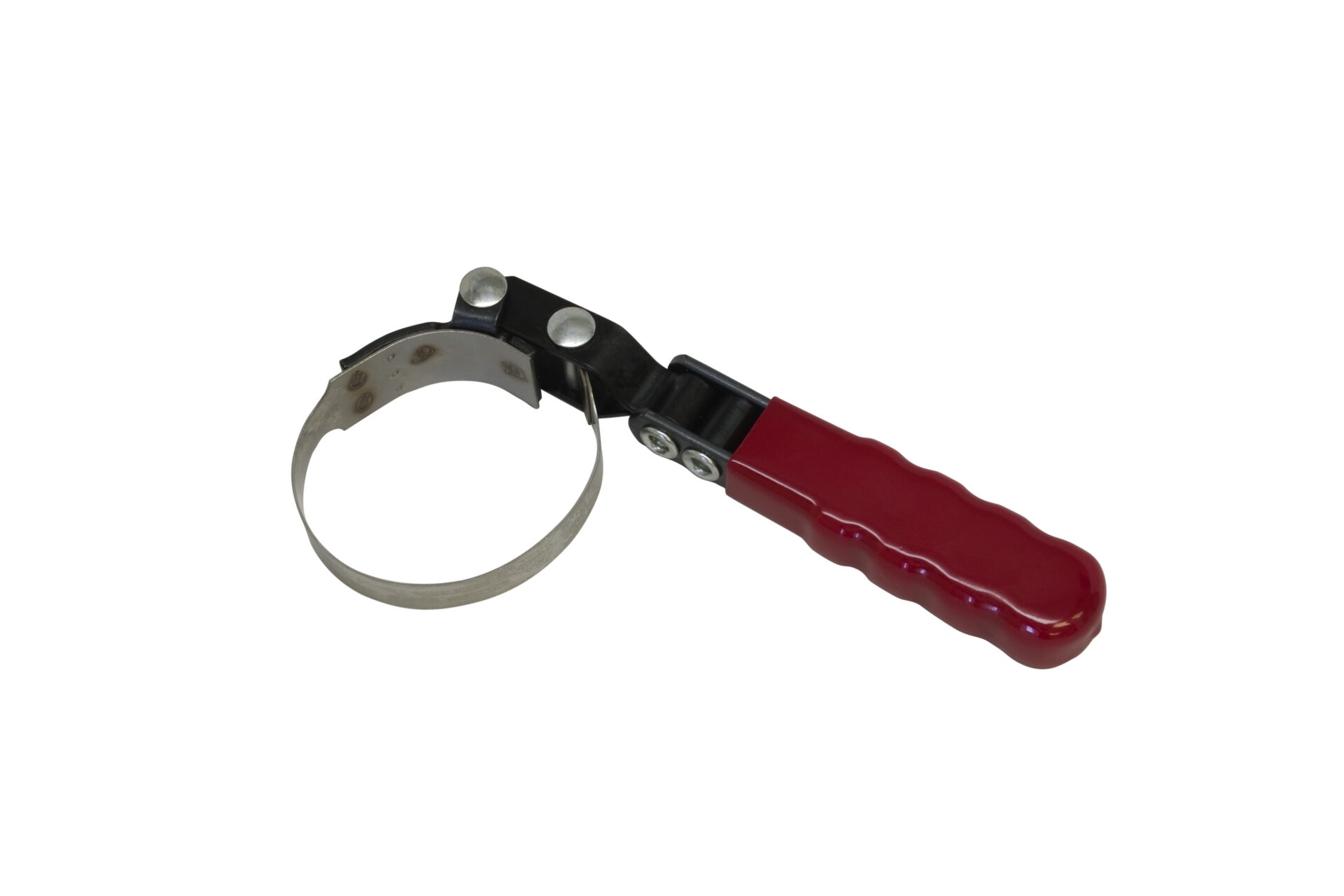
Lisle 54400 Swivel Grip Oil/Fuel Filter Wrench
 メナ
メナCartridge filters rarely come off by hand — a dedicated wrench turns a fight into a 10-second job.
The Lisle 54400 fits smaller 2-3/8″ to 2-5/8″ filters common on motorcycles, with a stainless steel band and gripping teeth that bite even on an oil-slick filter.
A narrow 1/2″ band profile fits into tight spots where a bulkier strap wrench won’t. Confirm your filter’s diameter before ordering.
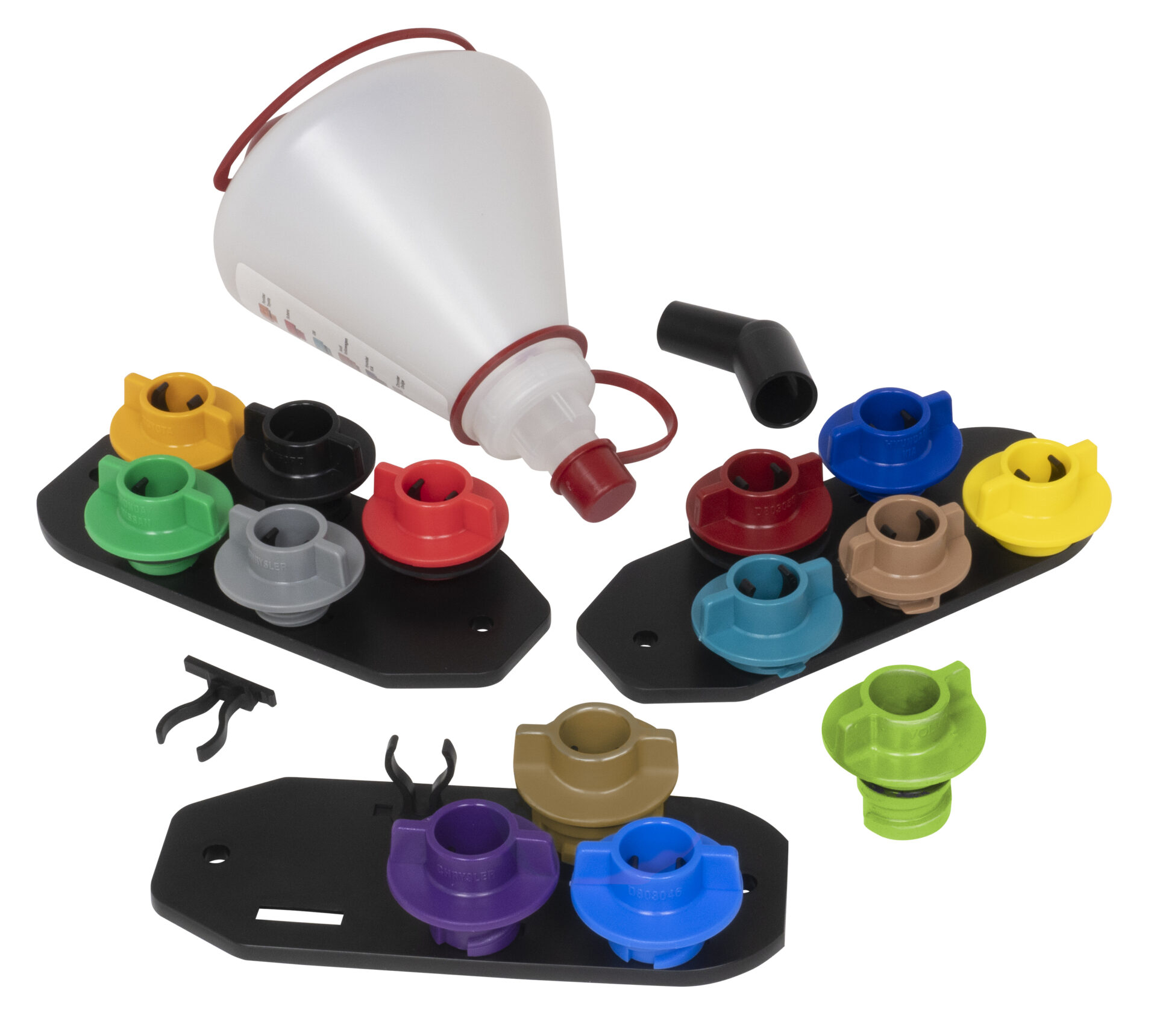
Lisle 19912 Multi-Application Oil Funnel Set
 メナ
メナA narrow motorcycle fill neck plus a straight-from-the-bottle pour is a recipe for spilled oil — this fixes that.
This 14-piece funnel set includes multiple spout sizes and flexible extensions, so you can match the funnel to your bike’s specific fill-neck diameter instead of fighting a one-size-fits-all funnel.
Worth keeping in the garage permanently — it also works for coolant and other fluids beyond oil changes.
Hopkins FloTool 11849MI Dispos-Oil Recycle Jug
メナA dedicated jug beats improvising with a milk carton — no leaks on the drive to the recycling drop-off.
This 3-gallon jug is sized for a full oil change with room to spare, with a molded handle and wide-mouth opening for pouring drained oil in without a funnel.
Chemical-resistant construction holds up to used motor oil for the trip to a local recycling center — check your municipality’s used-oil disposal rules before your first change.
How to Choose
Genuine vs. aftermarket oil
Genuine oil is tuned for your specific model, so it’s the safer starting point. Once your riding style shifts toward track days or aggressive street riding, stepping up to MOTUL or Castrol is worth the extra cost.
Reading the viscosity grade
In “10W-40,” the number before the W is cold-weather flow, the number after is high-temperature viscosity. Always follow your owner’s manual spec rather than guessing.
Full synthetic vs. semi-synthetic vs. mineral
Full synthetic costs more but holds up better at temperature extremes. Semi-synthetic and mineral oils cost less but break down faster. For daily street riding, semi-synthetic is often plenty; for spirited or track riding, full synthetic earns its price.
Frequently Asked Questions
How often should I change motorcycle oil?
Roughly every 3,000 miles or every 6 months is a common baseline, but always defer to your owner’s manual — intervals vary by model and riding conditions.
Do I need to replace the filter every oil change?
Most manufacturers recommend a filter change every other oil change. Check your specific model’s recommended interval.
メナStart genuine, step up when your riding style calls for it. A filter wrench and a proper funnel make the actual swap far less messy than doing it bare-handed.
Bottom Line
Start with a genuine oil (Yamalube or Pro Honda) while you’re still learning your bike, then step up to MOTUL or Castrol once your riding style is established. A filter wrench, a proper funnel, and a dedicated recycle jug make DIY oil changes far less messy.