
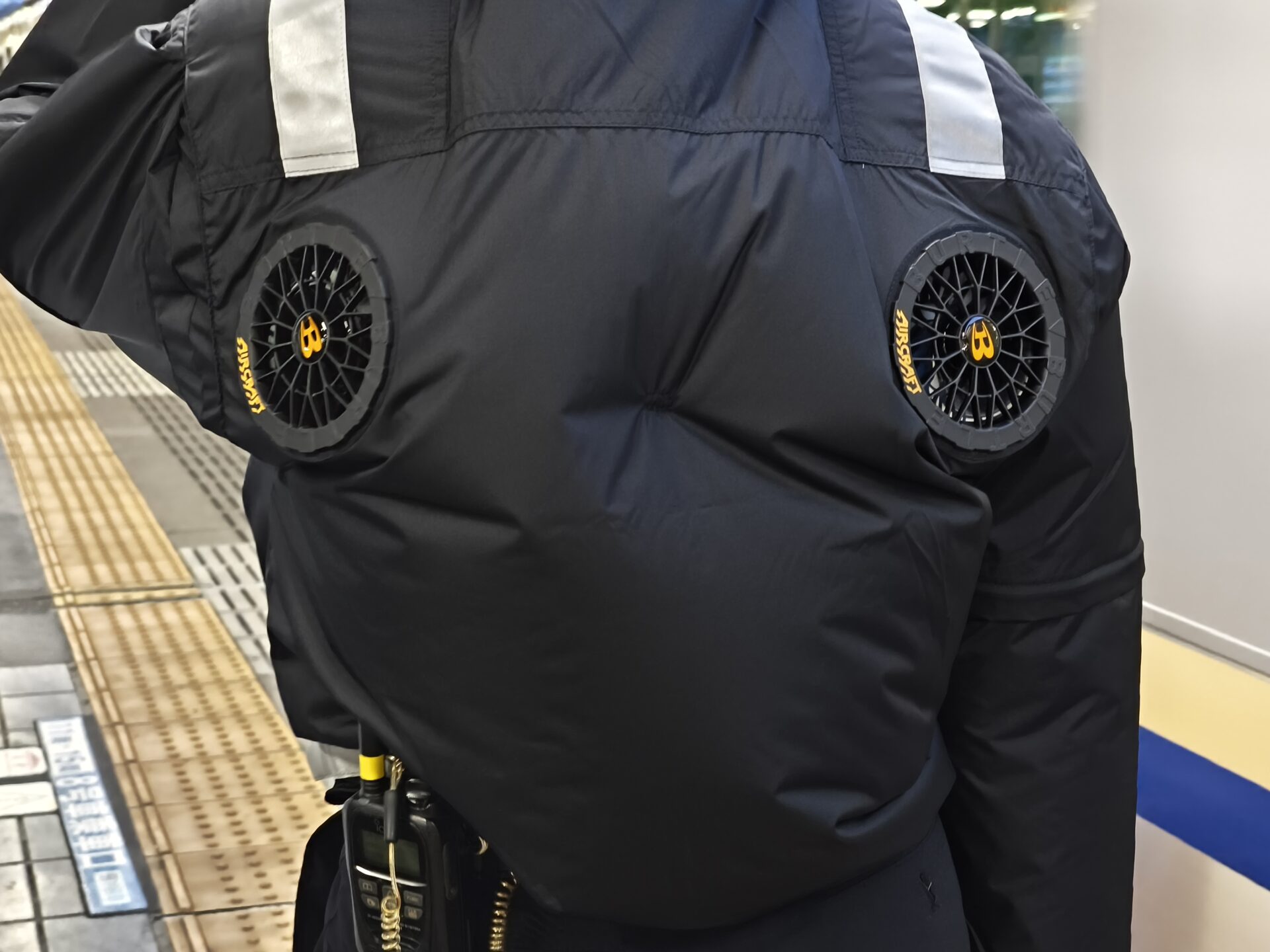
This article contains affiliate links. If you make a purchase through these links, we may earn a commission at no additional cost to you.
I’m Mena, and every summer I rely on fan-cooled workwear to survive long days on job sites. This is my full 2026 comparison of fan-cooled jackets, vests, and battery kits — ten models across two brands you can actually buy in the US, covering everything from lightweight jackets to hi-vis options and the battery/fan hardware that powers them.
If you’re specifically wondering whether BURTLE’s Aircraft line works for a daily bike commute, I’ve already covered that in a focused review: Is It Good for Bike Commuting? Reviewing BURTLE Fan-Cooled Workwear. This article takes a different angle — a full lineup comparison across BURTLE and Makita for anyone choosing fan-cooled gear for job-site use.
How Fan-Cooled Workwear Works
Fan-cooled jackets and vests use small battery-powered fans built into the garment to pull outside air in and circulate it against your body, using the evaporation of sweat to cool you down — similar in principle to evaporative cooling systems. It’s a different mechanism from simple moisture-wicking fabric, and it makes a real difference on hot, humid job sites where airflow alone can’t keep up.
The two brands compared here take different approaches. BURTLE’s Aircraft line is Japan’s best-selling fan-cooled workwear brand, engineered with Kyocera fan motors and now sold in the US through an authorized distributor. Makita’s fan jackets and vests plug into the same 18V LXT battery ecosystem as their power tools, which is a major advantage if you already own Makita batteries.
10 Fan-Cooled Workwear Picks Compared
1. BURTLE AC1181 Aircraft Jacket
 Mena
MenaThis unisex Aircraft jacket is the shell most people start with — lightweight enough for spring and summer, and it takes BURTLE’s fan hardware without any modification.
| Brand | BURTLE |
| Type | Unisex Aircraft jacket, spring/summer weight |
| Sold as | Jacket shell only (fan and battery sold separately) |
| Compatible fans | AC08-series / AC10-series |
The AC1181 is BURTLE’s standard unisex Aircraft jacket shell — lightweight, spring/summer weight, and built to accept BURTLE’s Aircraft fan hardware. Like most of the Aircraft line, it’s sold as a shell only, so you’ll need to add a fan unit and battery separately (see the next item and the battery/fan section below).
The cut is generous enough to wear over a t-shirt with room for airflow once the fans are installed, and the zipper and cuff design are built for job-site movement rather than a fashion fit.
2. BURTLE AC08-1-35-F Fan Unit
MenaThis is the fan hardware that actually powers an Aircraft jacket shell — you’ll still need a compatible battery to run it.
| Brand | BURTLE |
| Type | Fan unit (pair) |
| Compatibility | BURTLE Aircraft-series jackets and vests |
| Note | Battery sold separately |
Since Aircraft jackets like the AC1181 ship as shells only, this fan unit is one of the two pieces of hardware you need to actually get airflow — the other being a compatible battery. It snaps into the fan ports built into any Aircraft-series garment.
Buying the fan unit and battery separately (rather than a bundled set) makes sense if you already own one or the other from a previous Aircraft garment and just need to replace the worn part.
3. Makita DFJ201 Cordless Fan Jacket (LXT)
MenaA straightforward entry point into Makita’s fan jacket lineup if you’re already running 14.4V or 18V LXT batteries.
| Brand | Makita |
| Battery | 14.4V or 18V LXT (sold separately) |
| Type | Cordless fan jacket |
The DFJ201 is a straightforward cordless fan jacket built around Makita’s LXT battery platform, powered by either a 14.4V or 18V lithium-ion pack. It’s a solid entry point if you already have LXT batteries on hand from other Makita gear.
Like the rest of Makita’s fan jacket lineup, it draws air in to help evaporate sweat and keep you cooler on hot job sites, with the fan speed controlled from a switch near the battery mount.
4. Makita DFJ405 Fan Jacket (CXT/LXT)
MenaDual compatibility with the compact CXT platform and full-size LXT batteries makes this one flexible if your battery collection spans both formats.
| Brand | Makita |
| Battery | CXT (compact) or LXT (full-size), cross-compatible |
| Type | Cordless fan jacket |
The DFJ405 stands out for running on both Makita’s compact CXT sub-battery platform and the full-size LXT packs, which gives you flexibility if your battery collection spans both classes rather than being locked into one.
That cross-compatibility is particularly useful if you want a lighter battery for shorter shifts on the CXT side, or maximum runtime from a larger LXT pack when you need it.
5. Makita DFJ212 Fan Jacket (LXT)
MenaAnother solid option within Makita’s broad LXT fan jacket range — the sheer number of cuts and colors Makita offers is a real advantage.
| Brand | Makita |
| Battery | 18V LXT (sold separately) |
| Type | Cordless fan jacket |
The DFJ212 is part of Makita’s broader LXT fan jacket range, sharing the same core cooling technology as the rest of the lineup with its own take on cut and styling. As with all Makita fan jackets, the battery is sold separately and interchanges with the rest of their 18V LXT tool ecosystem.
If none of the other jackets in this list quite match your preferred fit or color, Makita’s LXT range is deep enough that it’s worth checking their full catalog for a closer match — the underlying fan and battery system is consistent across the series.
The color fan trim option lets you customize the look without buying a different jacket, which is a small but appreciated touch for anyone who wants their gear to look distinct on a crowded job site.
6. Makita DFJ304 18V LXT Cordless Cotton Fan Jacket
MenaIf you already run Makita 18V LXT tools, this is the obvious pick — same battery, no extra charger to buy.
| Brand | Makita |
| Battery | 18V LXT / 18V Compact (sold separately) |
| Material | Cotton blend |
| Fan count | 2 recessed fans (left/right) |
The DFJ304 runs on Makita’s 18V LXT platform — the same batteries as their drills, impact drivers, and everything else in the lineup. For anyone already invested in Makita’s cordless ecosystem, that’s the whole appeal: no separate charger or proprietary battery to manage.
Two recessed fans on either side pull air through the cotton-blend fabric, with multiple airflow settings including a turbo mode. Runtime scales with whatever LXT battery you pair it with — a larger-capacity pack easily gets you through a full shift.
7. Makita DFJ214 18V LXT High-Visibility Fan Jacket
MenaMakita’s hi-vis option is a solid pairing with the BURTLE hi-vis jacket above if your site has different crews on different battery platforms.
| Brand | Makita |
| Battery | 18V LXT |
| Visibility | High-visibility construction |
| Runtime | Up to ~11 hours on high with a 5.0Ah battery |
This high-visibility fan jacket powers two compact brushless fan units off the 18V LXT platform, with a rated runtime up to roughly 11 hours on high using a 5.0Ah battery — enough to cover a full shift without a battery swap on most jobs.
Brushless fan motors run quieter and more efficiently than brushed alternatives, which matters over a long day. It’s a strong option for road crews, utility work, or any site with a hi-vis requirement.
8. Makita 10.8V-18V LXT Brushless Fan Vest
MenaThis vest works with both compact 10.8V batteries and full-size 18V packs, which is handy if your battery collection spans both classes.
| Brand | Makita |
| Battery | 10.8V-18V LXT (cross-compatible) |
| Motor | Brushless |
| Type | Sleeveless vest |
This vest is built to run on both Makita’s compact 10.8V sub-battery line and the full-size 18V LXT packs, which gives you flexibility if your battery collection spans both classes. Brushless fan motors keep power draw efficient.
As a sleeveless design, it maximizes airflow and works well as a light mid-layer over a t-shirt, similar in concept to the BURTLE AC2094 vest above — comparing the two side by side comes down to which battery ecosystem you’re already invested in.
9. Makita BL1860B 18V 6.0Ah LXT Battery
MenaA 6.0Ah pack is the sweet spot for fan jackets — enough capacity for a full day without adding too much weight on your hip.
| Brand | Makita |
| Voltage/Capacity | 18V, 6.0Ah |
| Compatibility | All Makita 18V LXT fan jackets and vests, plus power tools |
| Advantage | Shared across your entire Makita tool lineup |
Fan jackets are typically sold without a battery, so this 6.0Ah LXT pack is what actually gets them running. It’s the same battery family used across Makita’s power tool lineup, so if you already own Makita drills or drivers, you likely already have one that works.
6.0Ah is a good balance for all-day wear — enough runtime to get through a shift on a mid-to-high fan setting without a swap, while staying light enough not to feel like dead weight on your hip.
10. Makita Fan Jacket Replacement Fan Unit
MenaFan units wear out well before the jacket fabric does. Keeping a spare pair on hand saves a mid-summer scramble.
| Brand | Makita |
| Type | Replacement fan unit (pair) |
| Compatibility | Makita LXT fan jackets and vests |
| Purpose | Wear-part replacement, extends jacket lifespan |
Fan units are the first part to wear out on any fan-cooled garment — bearings wear, airflow drops, and eventually a fan stops spinning cleanly well before the jacket fabric itself needs replacing. Keeping a spare set on hand means one part failure doesn’t take the whole jacket out of rotation.
Swapping fan units is typically a simple snap-in process on both BURTLE and Makita garments, so this is worth budgeting for as a routine wear-item replacement rather than an emergency purchase.
Jacket vs. Vest — Which Should You Choose?
Jackets give you more coverage and better protection from sun and debris, which matters on sites with strict PPE or hi-vis requirements. Vests maximize airflow and work best in peak heat or as a light layer over a t-shirt. If your site allows it, many people keep both and switch depending on the day’s temperature.
Choosing by Fabric and Features
Standard polyester is lightweight, quick-drying, and the most affordable option. Cooling-treated fabrics (like the BURTLE AC2121) add a passive cooling layer on top of the fan system, which is worth the upgrade if you work in direct sun most of the day. High-visibility versions are non-negotiable on roadwork or low-light sites regardless of brand.
Choosing a Battery/Fan Set
The single biggest factor here is which battery ecosystem you already own. If you run Makita power tools, the Makita fan jacket line lets you reuse existing 18V LXT batteries — no new charger, no new battery format. If you’re starting from scratch or specifically want BURTLE’s Aircraft styling, the AC10 battery and fan set is the standard purchase to pair with any Aircraft-series garment.
Frequently Asked Questions
Q. How long does the fan battery last on a fan-cooled jacket?
A. It depends on the battery capacity and fan speed setting, but expect roughly 6-11 hours on a full charge at a moderate fan speed, with higher-capacity batteries (like a 6.0Ah pack) pushing toward the longer end. Running fans on turbo/high will shorten that considerably.
Q. Is fan-cooled workwear safe for electrical work?
A. Standard fan-cooled jackets are not rated as arc-flash or electrical PPE, so always check your site’s specific electrical safety requirements before wearing one on live electrical work. For general job-site heat management on non-electrical tasks, they’re widely used and considered safe.
Q. Can these jackets be washed?
A. Yes, but always remove the battery and fan units first — these are electronic components and are not washable. Most garments can then be machine washed on a gentle cycle; check the specific care label for your model, since fabric treatments (like cooling-touch finishes) may have additional care instructions.
Q. Do you wear it over or under your regular clothes?
A. Fan-cooled jackets and vests are designed to be worn as an outer layer over a t-shirt or light base layer, not directly against bare skin and not layered under other clothing. The loose fit and fan placement are engineered to circulate air between the garment and your body — wearing it under something else defeats the airflow design entirely.
Related Reading
- Is It Good for Bike Commuting? Reviewing BURTLE Fan-Cooled Workwear
Featured image: RuinDig, CC BY 4.0, via Wikimedia Commons
