
 Mena
MenaHey, I’m Mena — as a hybrid engineer I work across both mechanical and electrical trades, and I’ve written up demolition hammers, high-speed cutters, and inverter generators. All three are loud enough to need hearing protection, so today I’m comparing two earplugs and two earmuffs.
Affiliate Disclosure: As an Amazon Associate, I earn from qualifying purchases at no extra cost to you.
The first thing to check on any hearing protector is its NRR (Noise Reduction Rating) — but a bigger number isn’t automatically better. Every rating in this article comes straight from official manufacturer listings, and I’ll walk through how to actually use that number before comparing four products.
Short version: for stocking a bin cheap, the 3M E-A-R Classic; for the highest NRR in a foam plug, the Howard Leight Laser Lite; for the most attenuation an earmuff can offer, the 3M PELTOR Optime 105; and for that same 30 dB rating in a lighter package, the Howard Leight Leightning L3.
First, the number: how NRR actually works
Every hearing protector sold in the US carries a single-number NRR (Noise Reduction Rating) label, required under 40 CFR Part 211, the EPA’s Product Noise Labeling regulation, and tested per ANSI/ASA S12.6-2016 (Source: eCFR, 40 CFR Part 211, accessed 2026-08-11). This regulation hasn’t been replaced by a different metric — NRR is still the current standard, unlike the SNR system used in the EU.
★Important: a higher NRR isn’t automatically better. A common rule of thumb is to subtract the NRR from the noise level at the source and aim for the result to land in the 70-80 dB range — over-attenuating means you can’t hear coworkers, warning signals, or an approaching vehicle, which trades one hazard for another.
| Type | Good for | Watch out for |
|---|---|---|
| Earplugs | Lightweight, cheap, don’t interfere with a hard hat or safety glasses, less sweaty in heat | Must be inserted correctly to hit the rated NRR, easy to lose |
| Earmuffs | Easy on/off, compliance is visible from across the room | Heavier than plugs, can get hot over a long shift |
Quick comparison: all 4 picks at a glance
NRR ratings come directly from official manufacturer listings as of 2026-08-11. Always check the current product page before you buy, since specs and packaging can change.
| Model | Type | NRR | Best for |
|---|---|---|---|
| 3M E-A-R Classic 310-1001 | Earplug | 29 dB | Stocking a bin cheap |
| Howard Leight Laser Lite LL-1 | Earplug | 32 dB | Highest NRR in a foam plug |
| 3M PELTOR Optime 105 H10A | Earmuff | 30 dB | Maximum attenuation, continuous heavy noise |
| Howard Leight Leightning L3 | Earmuff | 30 dB | Same 30 dB, lighter build |
Earplugs
3M E-A-R Classic Foam Earplugs (310-1001, uncorded)
 Mena
MenaThis is the earplug I keep stuffed in every pocket of my work bag. It’s the original foam earplug design from the 1970s, and at this price per pair I don’t think twice about swapping a dirty pair for a fresh one mid-shift.
| NRR | 29 dB |
|---|---|
| Material | Slow-recovery PVC foam, moisture-resistant |
| Form | Uncorded, roll-down insertion |
| Pack size | 200 pairs per box |
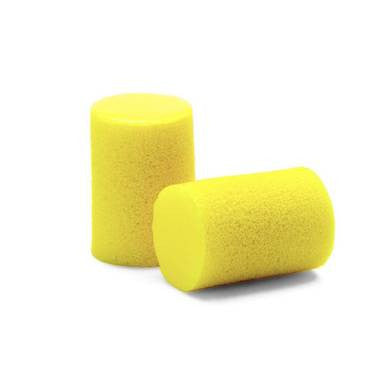
The 3M E-A-R Classic (310-1001) is rated NRR 29 dB and uses 3M’s proprietary slow-recovery foam that you roll down thin, insert, and let expand for a custom fit in your ear canal, per 3M’s official product listing (checked 2026-08-11).
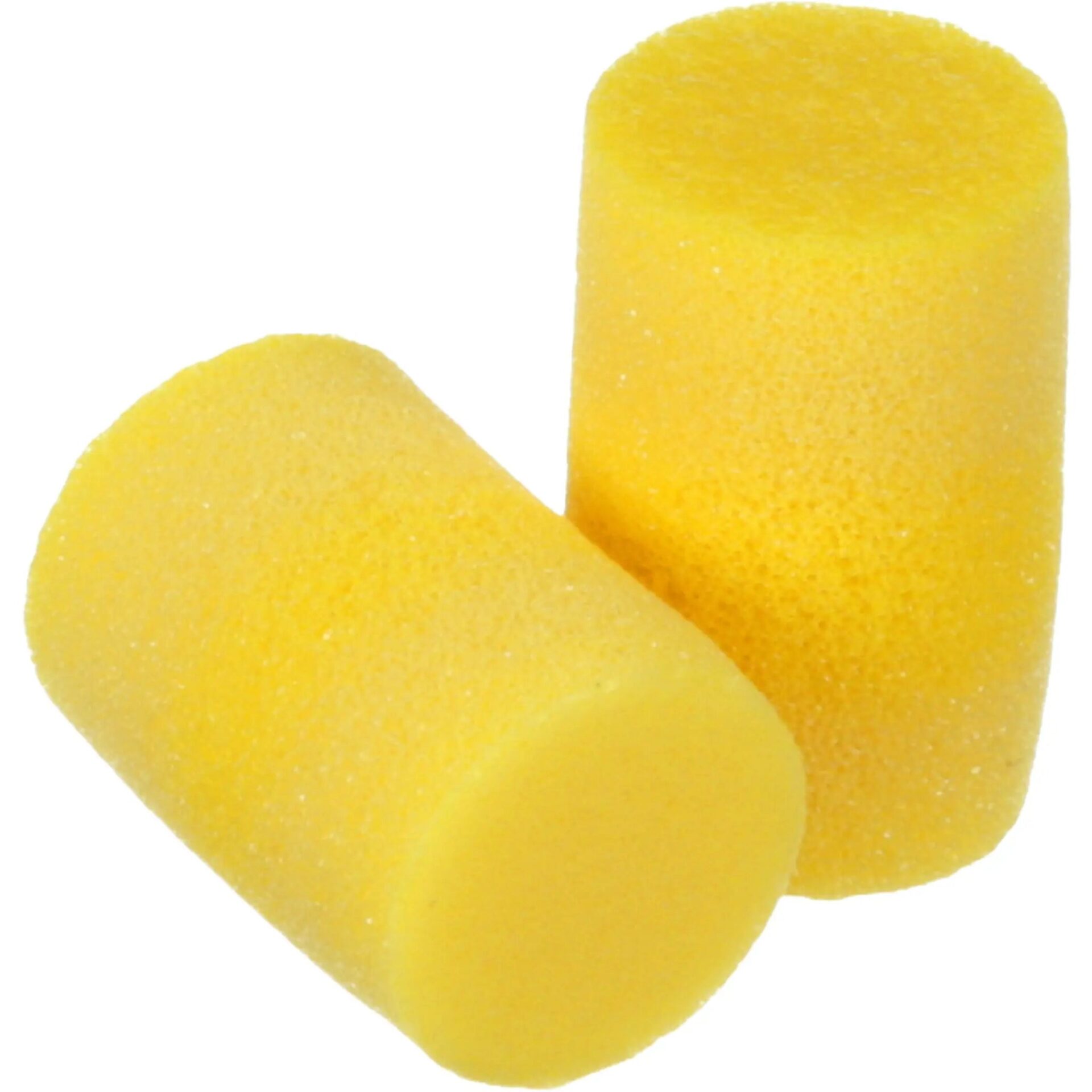
It ships uncorded in a 200-pair box, bright yellow for easy visual compliance checks by a supervisor walking the floor. A corded version is also sold separately if you need the plugs to stay tethered.
This is the pick for stocking a supervisor’s bin or a shop first-aid station — cheap enough that nobody has an excuse to skip hearing protection.
Howard Leight Laser Lite Earplugs (LL-1, uncorded)




 Mena
MenaWhen I need the highest attenuation I can get from a foam plug, this is it. The T-shape means I can push it in one-handed without the rolling technique the 3M plugs need, and the magenta/yellow color makes it obvious at a glance who’s wearing protection and who isn’t.
| NRR | 32 dB — highest in this comparison |
|---|---|
| Material | Low-pressure polyurethane foam, closed-cell skin |
| Form | Uncorded, contoured T-shape |
| Pack size | 200 pairs per box |
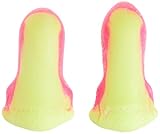
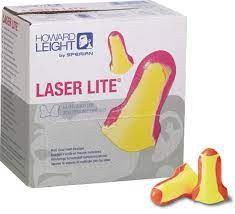
The Howard Leight Laser Lite (LL-1) carries the highest NRR in this lineup at 32 dB, made from a low-pressure polyurethane foam with a closed-cell skin, according to Honeywell’s official product listing (checked 2026-08-11).
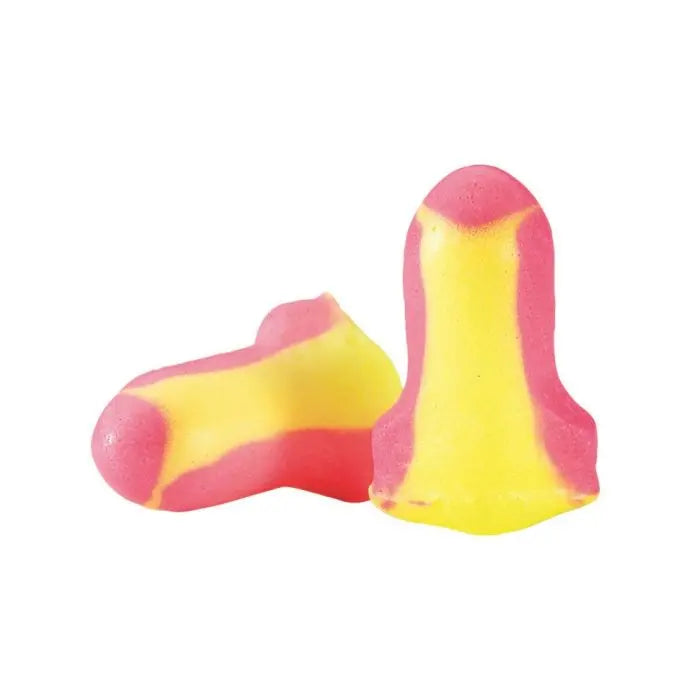
The contoured T-shape lets you insert it with one hand instead of rolling it down first, and the distinctive magenta/yellow two-tone color makes hearing protection compliance easy to spot from across a job site.
Reach for these on the loudest tasks in your day — this is the plug I switch to when the Classic’s 29 dB isn’t quite enough.
Earmuffs
3M PELTOR Optime 105 Earmuffs (H10A, over-the-head)


 Mena
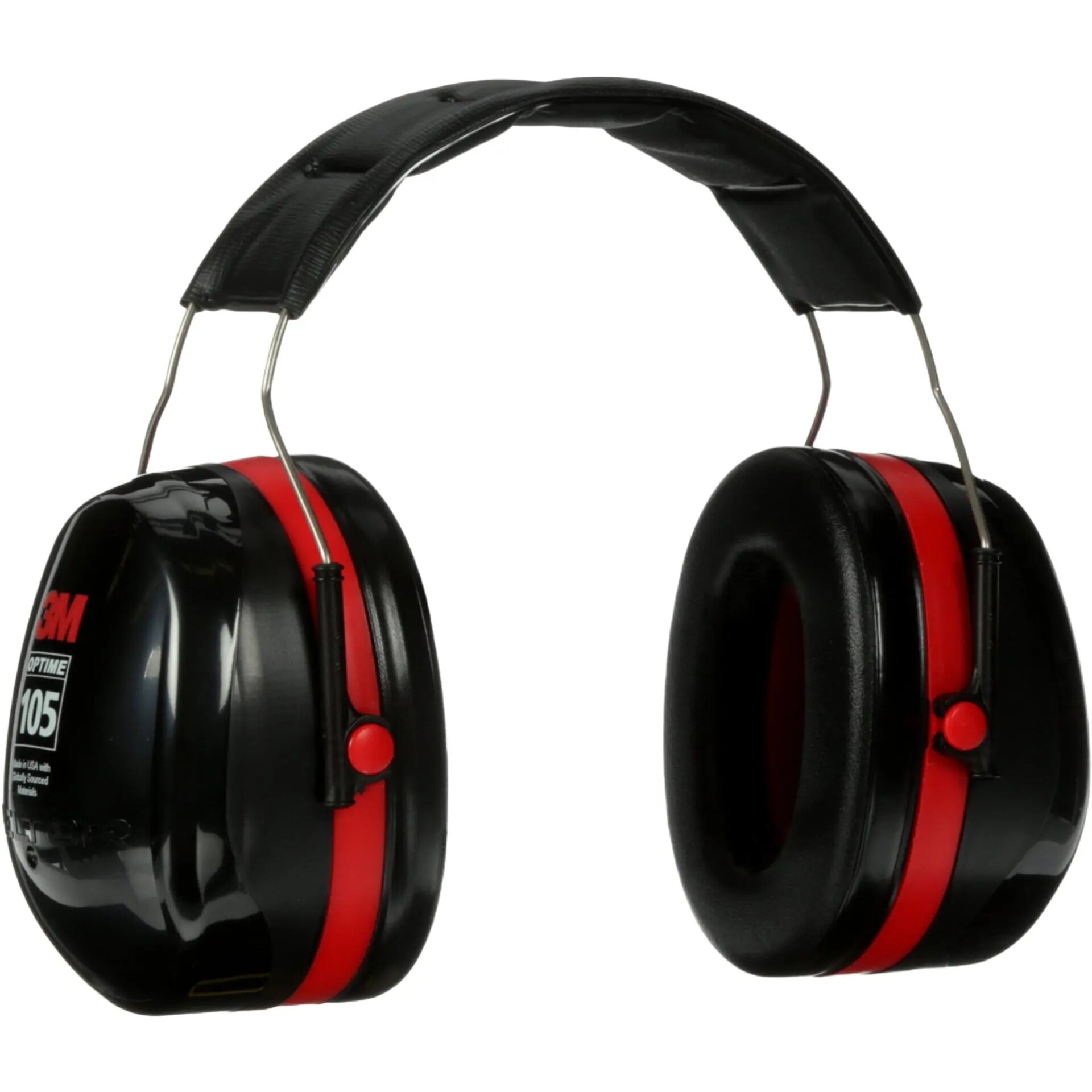
MenaFor the loudest, most continuous noise on site — think demolition or a running generator — this is what I put on. The double-shell design is noticeably bulkier than a standard earmuff, but that’s exactly what gets you the extra attenuation.
| NRR | 30 dB |
|---|---|
| Material | ABS double-shell (Twin-Cup) earcups, stainless steel headband |
| Form | Over-the-head, foam-filled cushions |
The 3M PELTOR Optime 105 (H10A) is rated NRR 30 dB, built with a double-shell (Twin-Cup) ABS earcup design and a stainless steel headband, according to 3M’s official product listing (checked 2026-08-11).
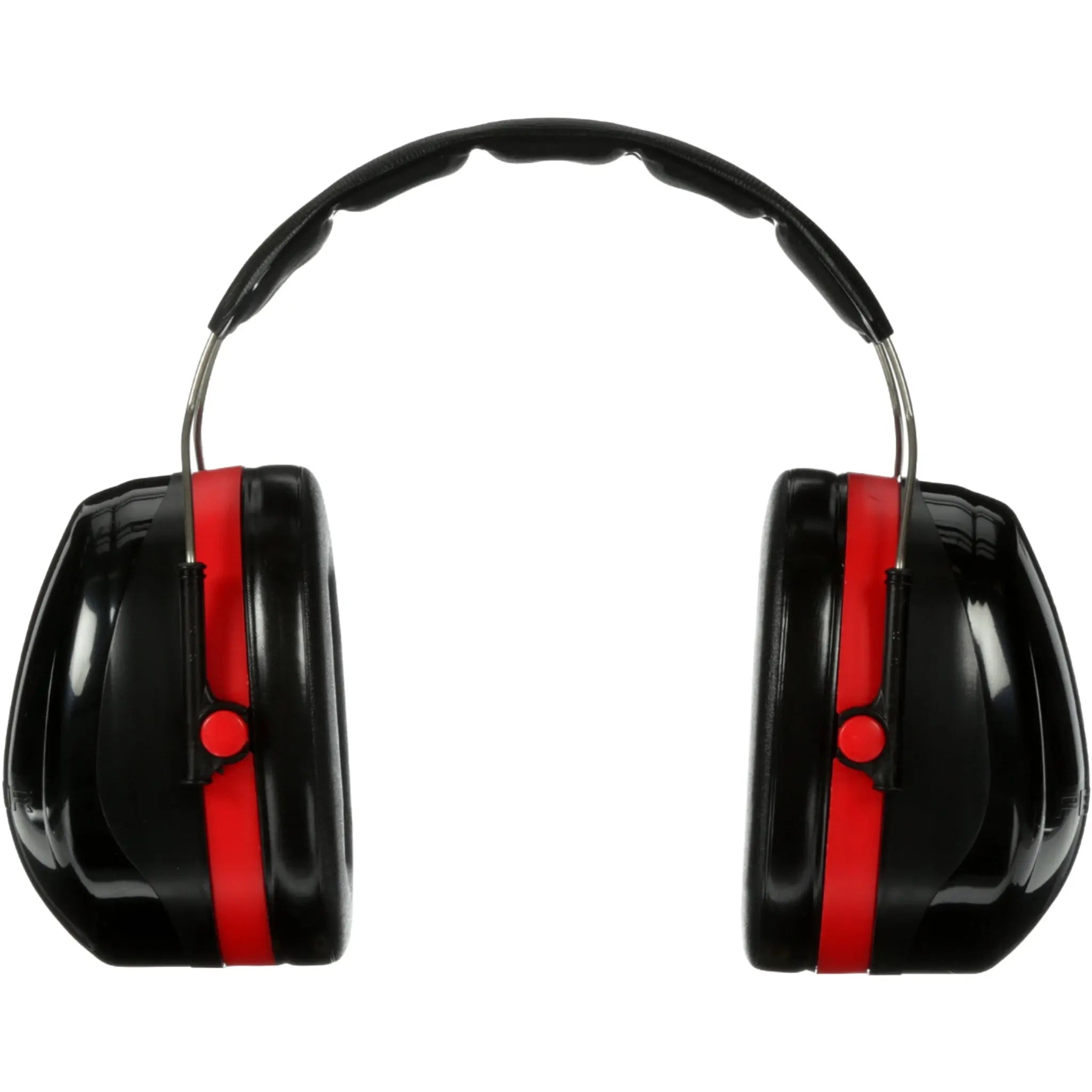
It’s the heaviest and bulkiest hearing protector in this comparison, but that extra shell material is what earns it the ‘Optime 105’ name — rated for environments up to 105 dBA at the source.
This is the pick for continuous industrial or construction-grade noise where you want the most attenuation an earmuff can offer, not the lightest option on your head.
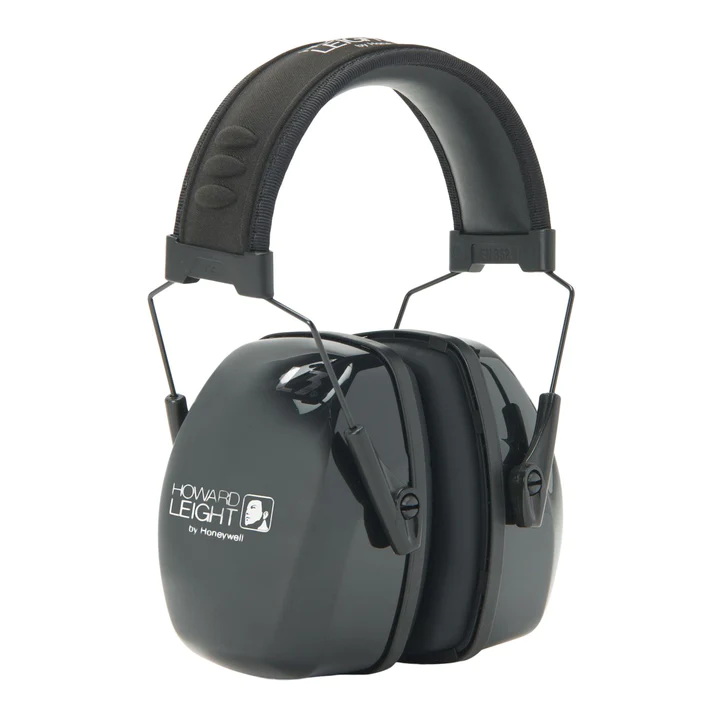
Howard Leight Leightning L3 Earmuffs
 Mena
MenaThis is the earmuff I grab when I want Optime-level protection without the extra weight. It’s noticeably lighter on my head over a long day, and the snap-in cushions make it easy to keep clean instead of replacing the whole thing.
| NRR | 30 dB |
|---|---|
| Material | Plastic earcups with Air Flow Control acoustic technology |
| Form | Telescopic steel-wire headband, snap-in replaceable cushions |
The Howard Leight Leightning L3 matches the Optime 105’s NRR at 30 dB, but uses Honeywell’s patented Air Flow Control acoustic technology in a lighter plastic earcup instead of a double shell, per the manufacturer’s official specifications (checked 2026-08-11).
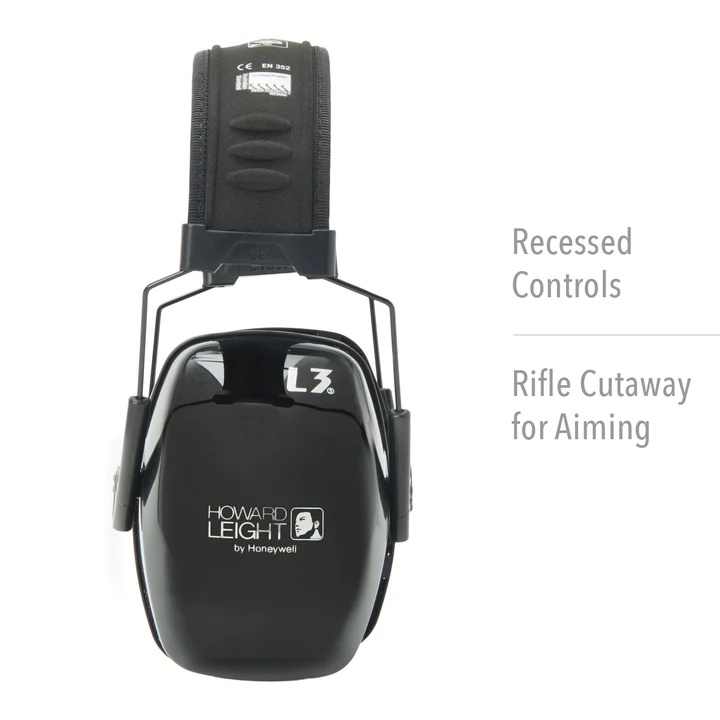
A telescopic steel-wire headband adjusts for a personalized fit, and the snap-in, replaceable ear cushions mean you can swap out worn padding instead of buying a whole new earmuff.
Reach for the L3 when you want 30 dB of protection without the bulk — it leans toward the shooting-sports/hunting market, but it works just as well as everyday job-site hearing protection.
Accessories: keeping hearing protection usable
A couple of cheap add-ons keep hearing protection clean, findable, and comfortable over a full shift.
Earplug carry cases
Loose earplugs in a pocket pick up dust and grit fast. A small carry case keeps a fresh pair clean in your bag or hard hat pocket.
Replacement earmuff cushions
Earmuff cushions harden and crack with sweat and time, which quietly reduces the actual attenuation you’re getting. Most manufacturers sell replacement cushions separately — check those before replacing the whole earmuff.
How to choose the right hearing protection
Match NRR to your actual noise level, not the highest number
Subtract the NRR from your noise source’s dB level and aim to land around 70-80 dB remaining. Over-protecting means you can’t hear a coworker shout a warning.
Earplugs vs. earmuffs for your task
Earplugs work better with a hard hat and safety glasses and stay cooler in summer. Earmuffs are faster to put on and take off, and a supervisor can see compliance from across the site.
Insertion technique matters for earplugs
A foam earplug only hits its rated NRR if it’s rolled thin enough and inserted deep enough to fully expand in your ear canal — a loosely inserted plug loses most of its rated protection.
MenaDon’t just grab whatever has the highest NRR printed on the box — match the rating to your actual noise level, and pick plugs or muffs based on how you actually work. Then make sure you’re inserting or fitting them correctly.
Bottom line: the right pick for how loud your day gets
Two earplugs and two earmuffs compared: the 3M E-A-R Classic for stocking a bin cheap, the Howard Leight Laser Lite for the highest NRR in a foam plug, the 3M PELTOR Optime 105 for maximum earmuff attenuation, and the Howard Leight Leightning L3 for that same 30 dB rating in a lighter build.
★All NRR ratings in this article come directly from official manufacturer listings as of 2026-08-11. Specs and packaging can change, so always check the current product page before you buy.